
Air chiefs and senior military leaders representing air forces from 19 nations across the Western Hemisphere gathered in the Dominican Republic June 15-19 for the 66th annual Conference of the American Air Chiefs (CONJEFAMER), reinforcing a shared commitment to regional security, cooperation, and interoperability through the System of Cooperation Among the American Air Forces (SICOFAA). The annual conference serves as…
Browsing: News
Security & Cooperation
Strategic Influence China Strengthens Its Strategic Influence in El Salvador’s Energy Sector
El Salvador has taken a significant step toward the development of renewable energy by signing a contract with the Chinese state-owned company PowerChina for the construction of a 30 MW photovoltaic project in the municipality of Conchagua, La Unión department. The agreement marks China’s official entry into El Salvador’s renewable energy sector, expanding Beijing’s presence into another strategic area of…
Strategic Influence Expansion of Chinese Smart Cars in Mexico Creates Data and Logistics Vulnerabilities
The entry of Chinese automaker Xpeng Motors into Mexico is reinforcing the country’s role as a gateway for highly connected vehicles in Latin America. At the same time, the growing presence of these digital platforms is raising concerns related to data management, connectivity, and their potential impact on critical infrastructure and regional supply chains. In March, the manufacturer announced its…
Transnational Crime Partnership and Cooperation: Jamaica’s Force Multiplier Against Transnational Organized Crime
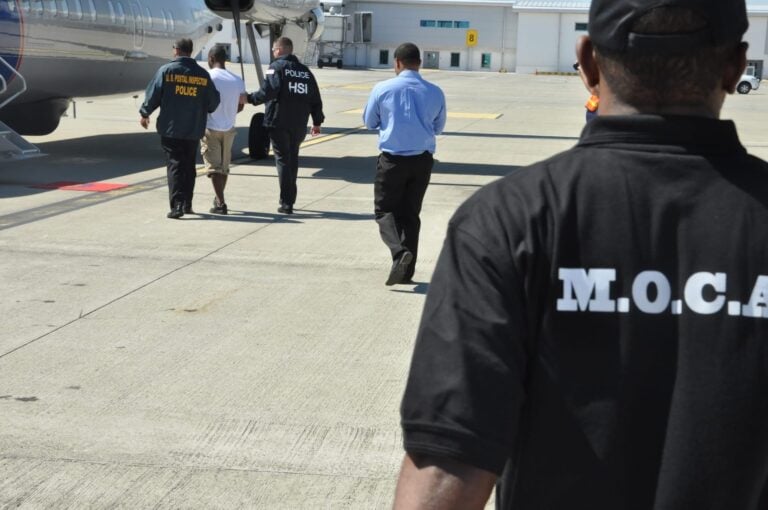
It is no secret that the increasingly borderless nature of transnational organized crime has sent law enforcement bodies worldwide scrambling to keep pace with criminal syndicates. Attackers, money routes, communications channels, and beneficiaries are often spread across multiple jurisdictions, reinforcing the operational reality that cybercrime investigations span several countries simultaneously. In Jamaica, a major shift is taking place as the…
Strategic Influence Confucius Institutes: Beijing’s Academic Influence Network
Across Latin America, Confucius Institutes present themselves as centers for Chinese language instruction and cultural exchange, offering Mandarin courses and traditional arts programs that have attracted students and universities throughout the region. Yet analysts argue these institutes serve a broader strategic purpose: helping Beijing cultivate long-term influence over academic institutions, future decision-makers, and research ecosystems that increasingly intersect with national…
Security & Cooperation Amistad 2026 Builds Medical Readiness Through Partnership in Paraguay
U.S. Air Forces Southern/12th Air Force (AFSOUTH) launched Amistad 2026 in Paraguay June 15, beginning a series of health security cooperation engagements designed to strengthen partnerships and bolster regional health security across the Western Hemisphere. Now in its third consecutive year in Paraguay, Amistad 2026 builds on enduring relationships established through previous missions. Teams will work side by side in…
Transnational Crime ‘Legal Fast’: A New Strategy Against Organized Crime Between Europe and Latin America
As transnational criminal organizations continue adapting their trafficking methods across the Atlantic, authorities from Latin America and Europe are seeking to strengthen not only interdiction efforts, but also the investigations that follow major drug seizures. Against this backdrop, the United Nations Office on Drugs and Crime (UNODC), together with Belgian partners and countries from Latin America and the Caribbean, launched…
Strategic Influence China’s Strategic Penetration of Latin America Through Academia and Cultural Networks
China’s penetration through universities, Confucius Institutes, collaborations with the academic world, scholarships, and international forums is growing in Latin America. The purposes are manifold, ranging from consensus building to industrial and military espionage, but the impact on the region is significant. In addition to compromising countries’ national and economic security, China undermines democracy in the region through propaganda and disinformation.…
Transnational Crime Argentina Positions CRIACO as Southern Cone Hub Against Transnational Crime
Argentina and the United States are further expanding bilateral security cooperation through the launch of the Regional Center for Information and Analysis on Organized Crime (CRIACO), a new initiative aimed at strengthening regional coordination against transnational criminal networks operating across the Southern Cone. Inaugurated in Buenos Aires on April 24, the center is designed to improve intelligence-sharing, operational coordination, and…
Transnational Crime A Multinational Dragnet in the Caribbean: How the Zeus Strategy Operates
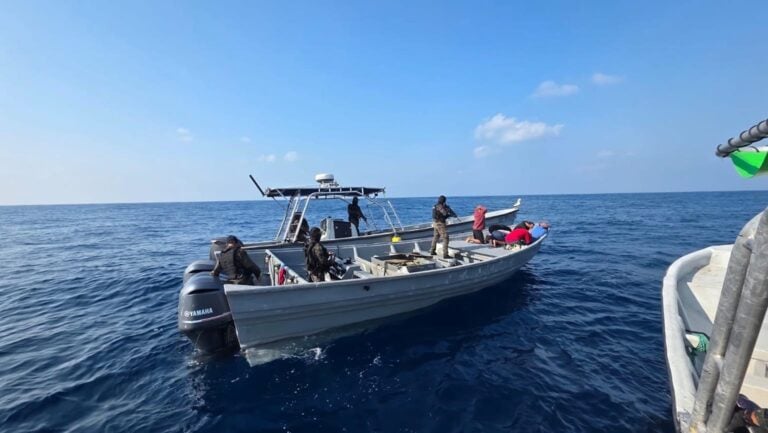
The multinational Zeus strategy, led by the Colombian Aerospace Force (FAC), has, since its 2019 launch, become one of the region’s most extensive cooperative efforts against transnational organized crime, bringing together dozens of countries and agencies across the Americas and the Caribbean. Zeus Caribbean I, one of its most recent operations in the Caribbean basin, integrated air, maritime, and intelligence…
Security & Cooperation PANAMAX: A Panama-Led Effort to Strengthen Canal Security
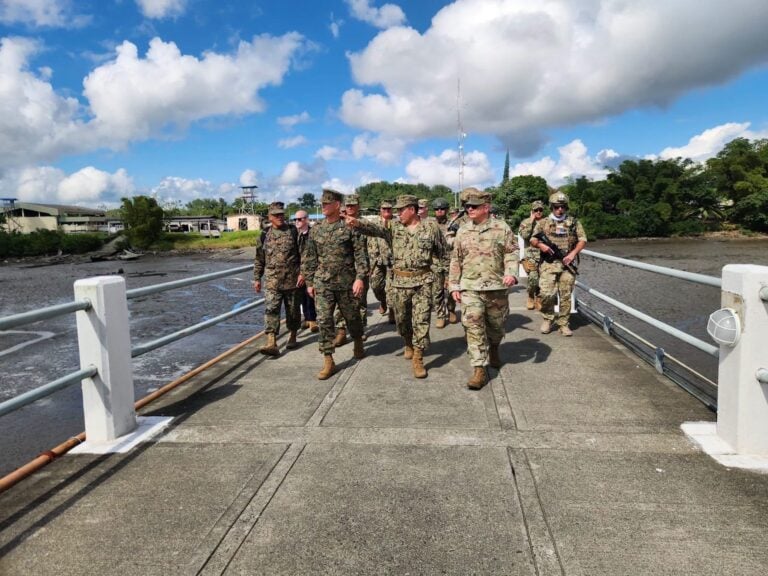
The Panama Canal remains one of the country’s most strategic assets, supporting Panama’s economy while serving as a critical artery for global trade. As transnational threats increasingly affect maritime routes, logistics systems, and critical infrastructure across the hemisphere, Panama continues strengthening its capacity to protect the Canal and the systems that depend on it through PANAMAX, the multinational exercise led…
Security & Cooperation How Regional ISR Integration Strengthens Countercrime Operations in Central America
Intelligence, surveillance, and reconnaissance (ISR) capabilities, strengthened through regional cooperation and support from strategic partners, are increasingly shaping how Central American countries detect, track, and respond to transnational criminal activity. Across the region, the integration of advanced monitoring technologies, information-sharing systems, and multinational coordination is improving authorities’ ability to monitor illicit activity across air, maritime, and border corridors frequently exploited…