
The convergence between transnational criminal organizations and extra-regional state actors is expanding Latin America’s threat landscape, experts warn. The combination of well-established illicit networks and external strategic interests creates vulnerabilities that extend beyond public security and can affect governance, critical infrastructure, and national security. The strategic value of criminal networks A report by the Center for the Study of Democracy…
Browsing: Strategic Influence
Latin America Strengthens Sovereign Control as China Expands Its Role in Strategic Infrastructure
The Port of Chancay has become one of the most visible examples of the growing role of Chinese state-owned enterprises in Latin America’s strategic infrastructure. But while COSCO Shipping Ports operates one of the largest logistics hubs on South America’s Pacific coast, Peru has made clear that foreign investment does not diminish the state’s authority over critical infrastructure. That authority…
Undersea Cable Security, a Strategic Priority for Latin America
As Chinese companies expand their role in the infrastructure that carries global digital communications, the United States is supporting alternatives for Central America and the Caribbean aimed at reducing dependence on untrusted providers for critical digital infrastructure. Washington plans to allocate nearly $176 million to replace aging telecommunications infrastructure, including undersea cables in Central America and the Caribbean, according to…
China’s Biotechnology Expansion Spreads Across Latin America
In recent years, China has accelerated its expansion in Latin America’s biotechnology sector, investing in production facilities, laboratories, genetic sequencing technologies, and partnerships with local institutions. From vaccines to genomics, China’s presence is reaching strategic sectors that are critical not only to public health, but also to scientific research, technological capabilities, and the national security of countries across the region.…
China’s Role in Argentina Copper Projects Reopens Debate over Strategic Dependence
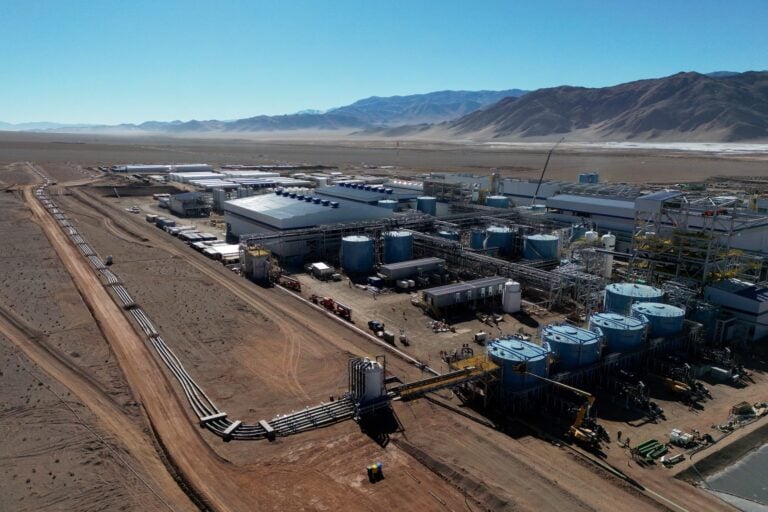
The awarding of a new phase of the Batidero camp to a consortium comprising two Chinese companies and one Argentine firm has sparked debate over the role of domestic industry in one of the region’s largest copper developments, local outlet iProfesional reported. The camp, in Argentina’s San Juan province, will house workers for the Vicuña mining project. The contract calls…
China Expands Its Presence in Peru’s Critical Electricity Infrastructure
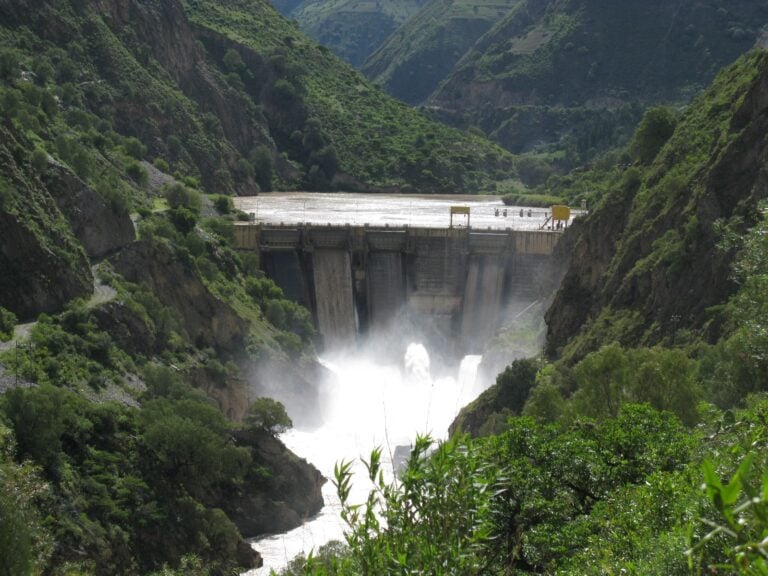
State-owned China Three Gorges Corporation (CTG) expanded its presence in Peru’s electricity sector in 2026 by acquiring the remaining stake in Hydro Global Perú, a company linked to the San Gabán III hydroelectric plant in Puno. The transaction adds to the group’s other major assets in the country, including the Chaglla hydroelectric plant in the department of Huánuco and Luz…
Chile Strengthens Port Controls as China’s Fishing Fleet Expands Logistics Network
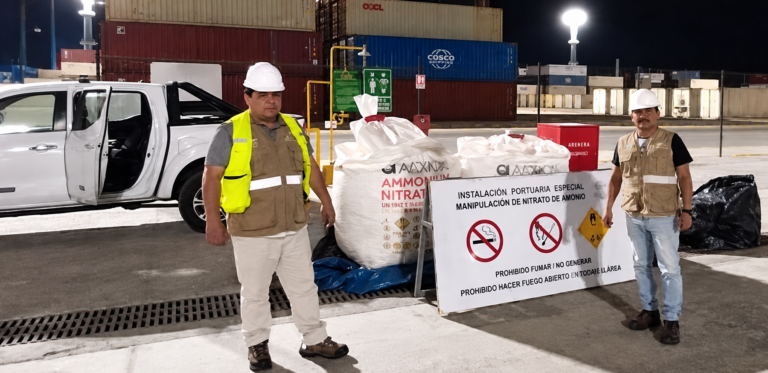
Amid growing international scrutiny of China’s distant-water fishing fleet over allegations of illegal fishing, forced labor, and concerns about its implications for maritime security, Chilean authorities have stepped up inspections of foreign fishing vessels arriving at the country’s ports following a sharp increase in requests from Chinese-flagged ships to call there. One such operation took place in June 2026 and…
China’s AI Expansion in Latin America: Security Risks
Artificial intelligence (AI) has become a key instrument of China’s strategic projection in Latin America. Beyond expanding AI applications, Beijing is seeking to expand its presence in the infrastructure that supports them, including data centers, cloud services, and telecommunications networks. The concern is that its growing control over these assets could strengthen China’s intelligence and defense capabilities, expand its influence…
Securing the Supply Chain: China’s Critical Minerals Network and the Security Risks for the Americas
According to the International Energy Agency (IEA), global demand for critical minerals is expected to grow by more than 6 percent annually through 2030, driven by the energy transition, the digitalization of economies, and intensifying technological competition among major powers. In this context, Latin America occupies a pivotal position: The region holds around half of the world’s lithium reserves, more…
China Consolidates Its Position in Peru’s Critical Minerals Sector
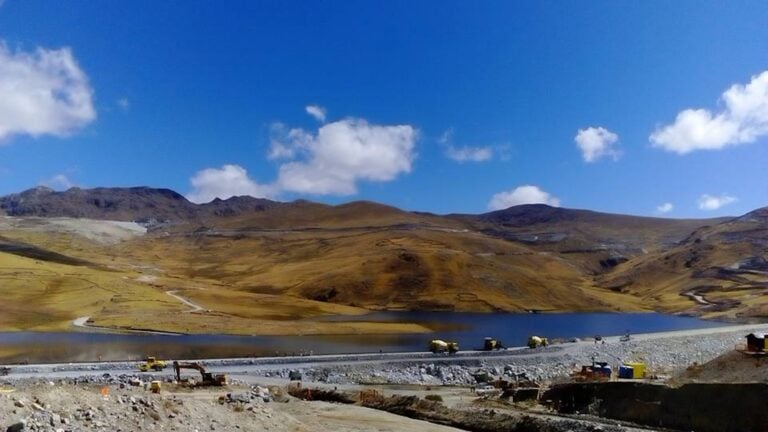
The expansion of the state-owned Aluminum Corporation of China (Chinalco) at the Toromocho copper mine, in Peru’s Junín region, represents the latest step in a long-term strategy through which Beijing is strengthening its position in supply chains of global strategic importance. The approval of 28 projects comprising 33 operational components — backed by an investment of more than $700 million…
Capricorn Bi-Oceanic Corridor Could Expand China’s Strategic Reach in South America
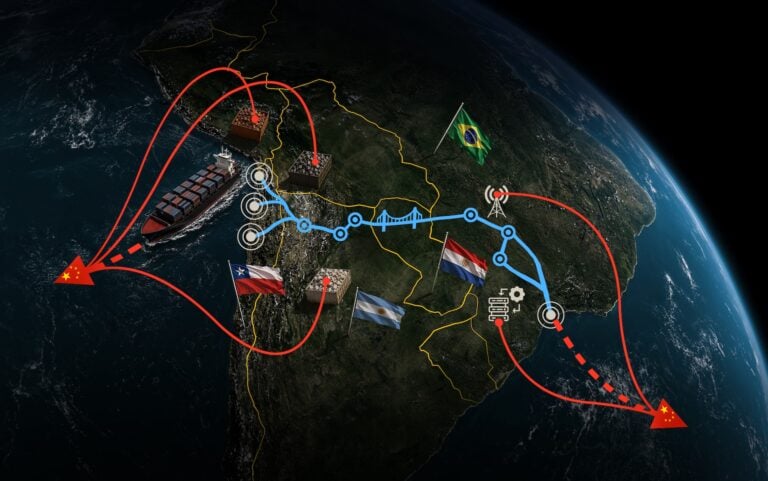
The completion of a key section of the Capricorn Bio-Oceanic Corridor marks a new phase in South America’s logistical integration. As the route brings the continent’s interior closer to Pacific ports and Asian markets, analysts warn that it could also strengthen the trade, logistics, and infrastructure network underpinning China’s growing strategic influence in Latin America. The corridor brings together Argentina,…
China’s Lithium Push Deepens Latin America’s Strategic Dependence
The expansion of Chinese companies in Latin America’s lithium sector has evolved from a purely commercial enterprise into a source of geopolitical leverage. Beijing’s ambitions extend well beyond mining. Chinese firms are increasingly seeking influence across the entire lithium value chain — from extraction and processing to exports, and, increasingly, the regulatory frameworks that govern these resources. Evan Ellis, research…