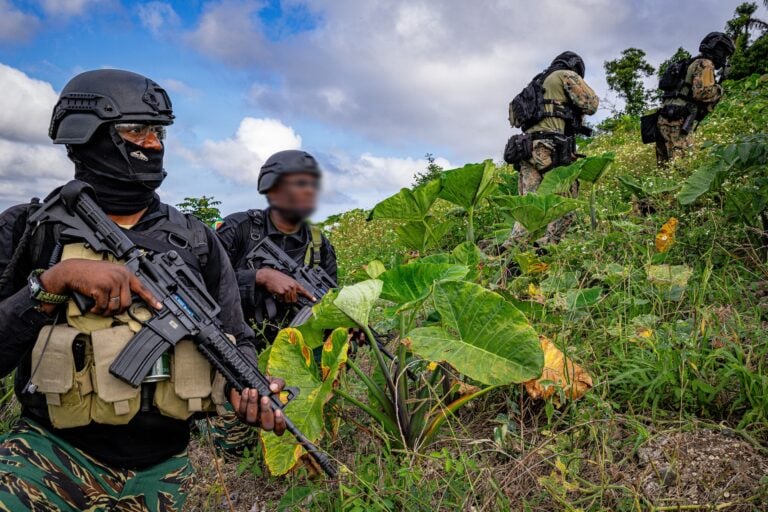
The balloon effect has long been a feature of counternarcotics operations worldwide. When law enforcement pressure increases along one route, traffickers change departure points and schedules, use different vessels or concealment methods, recruit new facilitators, or shift operations toward jurisdictions and routes where they perceive surveillance and interdiction to be less effective. The Caribbean is no different. A sharp increase…
Browsing: Caribbean
Dominican, US Soldiers Advance Tactical Skills Through Joint Training
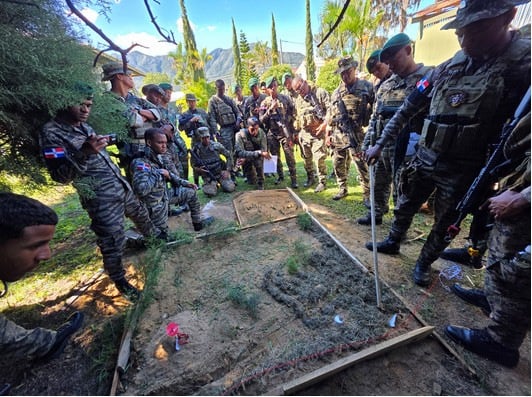
A Mobile Training Team (MTT) from the U.S. Army Security Assistance Training Management Organization (SATMO), concluded a rigorous, four-week Small Unit Tactics and Medical training course with 29 soldiers from the 6th Cazadores Battalion of the Dominican Army. The training, which took place in the mountainous terrain of Constanza in the Dominican Republic partnered U.S. Army instructors with elite mountain…
Guyana, Jamaica Deepen Defense Cooperation Against Transnational Threats
Criminal networks operating between South America and the Caribbean exploit maritime routes, financial systems, and digital spaces that span national borders. To counter these threats, Guyana and Jamaica are deepening defense and security cooperation to expand information sharing and strengthen their ability to counter transnational crime across the region. This cooperation gained new momentum with the defense and security agreement…
Beyond Lottery Scams: Cyber-Enabled Crime and the Evolution of Caribbean TCOs
The image of the Jamaican lottery scammer at work is by now all too familiar. He rings an elderly person living thousands of kilometers away and tells the unsuspecting victim that they have won millions of dollars, a luxury vehicle, or some other life-altering prize. The victim doesn’t ask how they have won a lottery or sweepstakes they never entered…
Operation Ultramar: Dominican Republic, US Disrupt Traffickers in the Central Caribbean
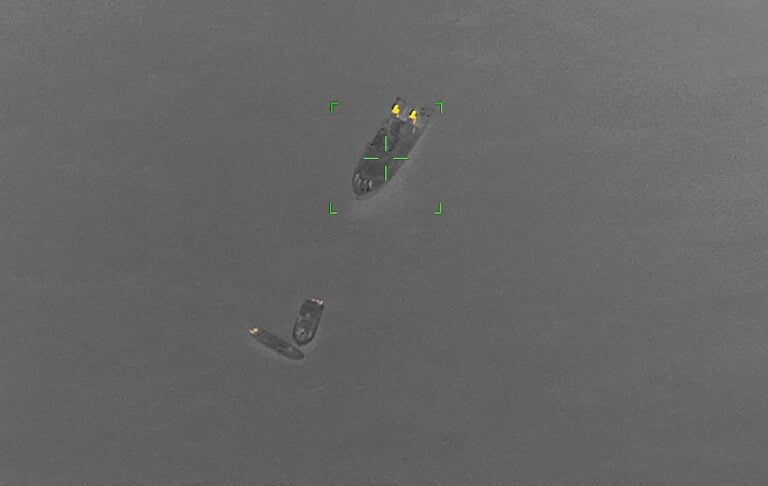
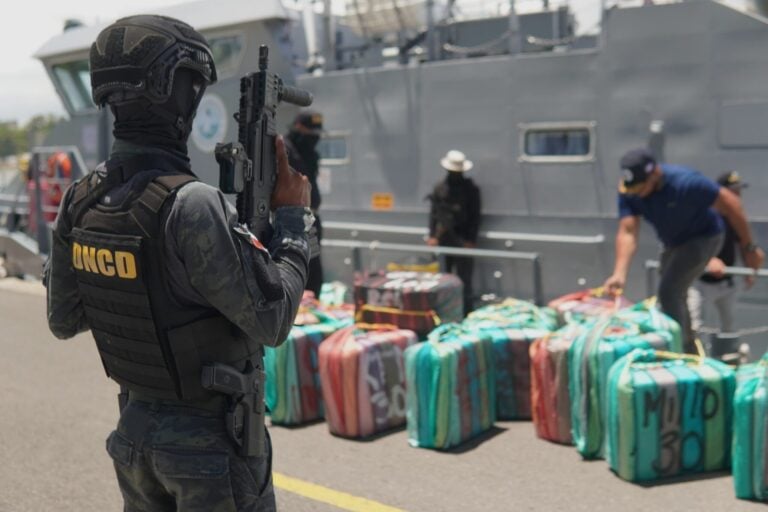
From August 15–28, 2026, the Dominican Republic and the United States combined intelligence, surveillance, maritime patrol aircraft, surface vessels, and partner-nation interdiction capabilities during Operation Ultramar, a coordinated counternarcotics effort in the Central Caribbean. The operation demonstrated how the Dominican Republic and the United States, supported by regional and international partners, can apply persistent systemic friction to transnational criminal organizations…
Caribbean Integrates Citizen Reporting into Regional Intelligence
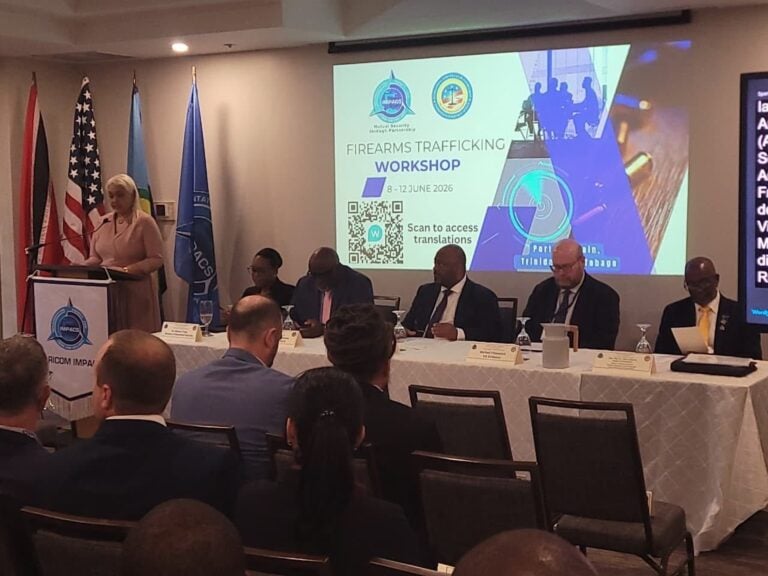
Criminal organizations operating in the Caribbean exploit maritime routes, illicit markets, and multiple jurisdictions to move drugs, weapons, and other illegal goods. Against networks that operate across national borders, information provided by local communities can become an operational asset when it is protected, evaluated, and connected with data from other countries. With that goal in mind, the Caribbean Community Implementation…
From Evidence to Intelligence: Forensic Science Strengthens Fight Against Transnational Crime
Seizing drugs or arresting suspects can disrupt criminal operations, but dismantling transnational criminal networks requires something more enduring: evidence that connects crimes, weapons, drugs, and suspects across jurisdictions. Increasingly, forensic science is providing those connections, turning isolated investigations into intelligence that supports coordinated operations and stronger prosecutions. “Forensic science has become a strategic priority because it is a way to…
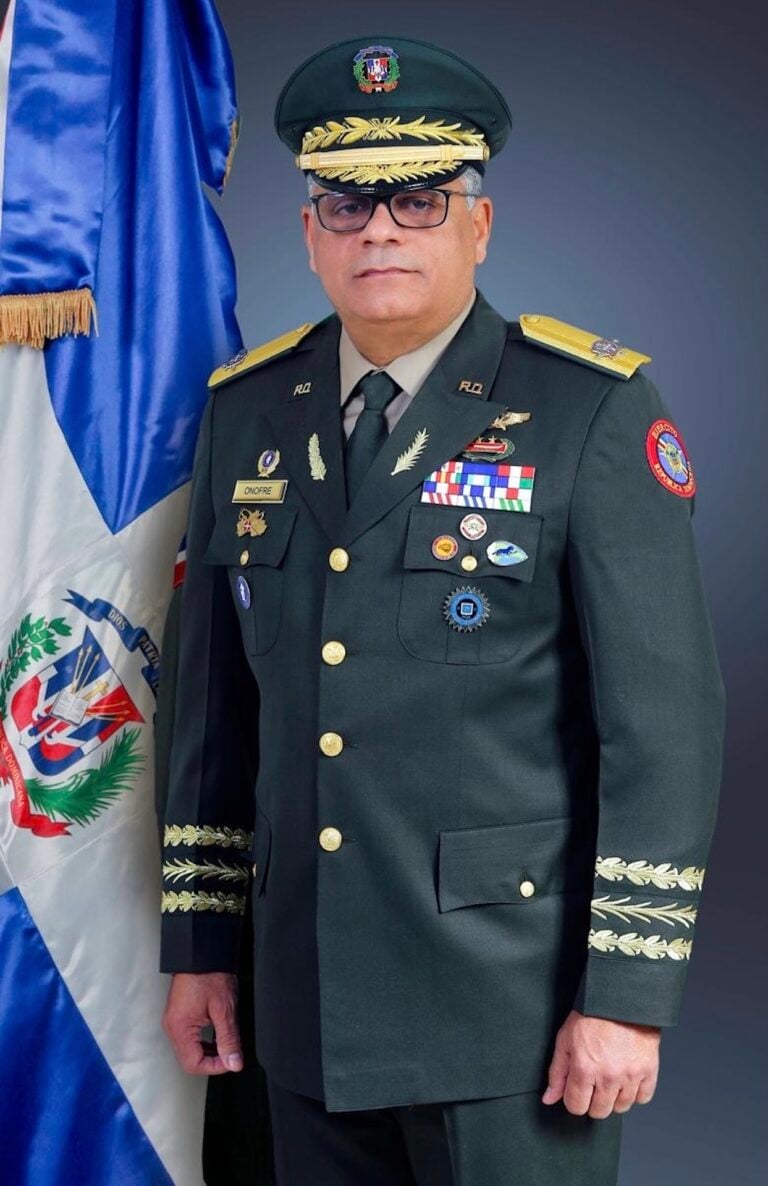
Minister Onofre: ‘The Challenges Know No Borders; Neither Should Our Response’
The Dominican Republic plays a key role in Caribbean security and in regional efforts to combat transnational organized crime. Its strategic location, maritime interdiction capabilities, and close cooperation with the United States and other allies have positioned the country as an important security partner in confronting criminal organizations that increasingly operate across borders, maritime routes, and international networks. Against this…
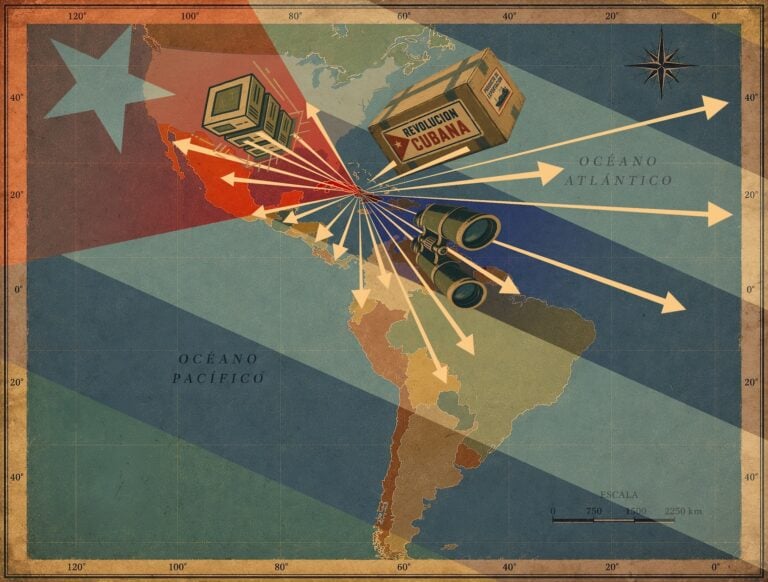
The Legacy of Cuban Intelligence: How Havana Exported Its Security Model Across Latin America
The death in June 2026 of Ramiro Valdés Menéndez, one of the principal architects of Cuba’s intelligence and internal security apparatus, marked the passing of one of the last historic figures associated with the security structures created after Fidel Castro came to power on January 1, 1959. For nearly seven decades, Cuba’s effort to export its revolution have provided the…
Dominican Republic Strengthens Regional Leadership Against Transnational Crime
The Dominican Republic has emerged as one of the Caribbean’s key operational partners in the Americas Counter-Cartel Coalition and as a regional leader in multinational efforts to dismantle transnational criminal organizations (TCOs) that use Caribbean maritime corridors to move cocaine to North America and Europe. “The government of the Dominican Republic, through the National Drug Control Directorate (DNCD), the Attorney…
Inside GAESA: How Cuba’s Military Conglomerate Projects Influence Beyond the Island
More than a business conglomerate, the Business Administration Group S.A. (GAESA) has become the primary vehicle through which Cuba’s Revolutionary Armed Forces (FAR) control much of the country’s strategic economy. Ports, logistics, tourism, financial services, foreign trade, and other hard-currency-generating sectors form part of a corporate structure unlike any other in Latin America and the Caribbean. For analysts, GAESA’s significance…
Beyond Health Care: The Strategic Role of Cuba’s Overseas Medical Missions
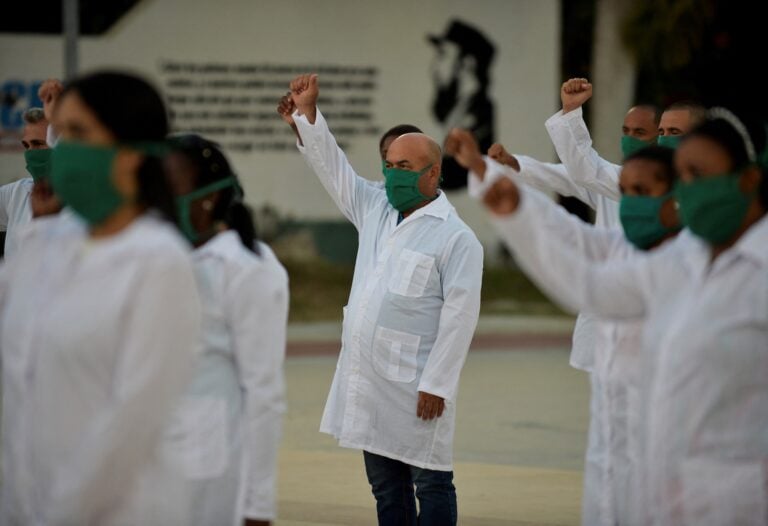
As Cuba’s health care system faces one of the worst crises in its history, marked by increasingly frequent blackouts, chronic medicine shortages, and hospitals in poor condition, its international medical missions continue to represent one of Havana’s main sources of revenue, in some cases surpassing even tourism. Each year, they generate billions of dollars, providing the regime with essential resources…