
The completion of a key section of the Capricorn Bio-Oceanic Corridor marks a new phase in South America’s logistical integration. As the route brings the continent’s interior closer to Pacific ports and Asian markets, analysts warn that it could also strengthen the trade, logistics, and infrastructure network underpinning China’s growing strategic influence in Latin America. The corridor brings together Argentina,…
Browsing: South America
China’s Lithium Push Deepens Latin America’s Strategic Dependence
The expansion of Chinese companies in Latin America’s lithium sector has evolved from a purely commercial enterprise into a source of geopolitical leverage. Beijing’s ambitions extend well beyond mining. Chinese firms are increasingly seeking influence across the entire lithium value chain — from extraction and processing to exports, and, increasingly, the regulatory frameworks that govern these resources. Evan Ellis, research…
SOUTHAM 2026 Brings South American Air Chiefs Together to Address Regional Challenges
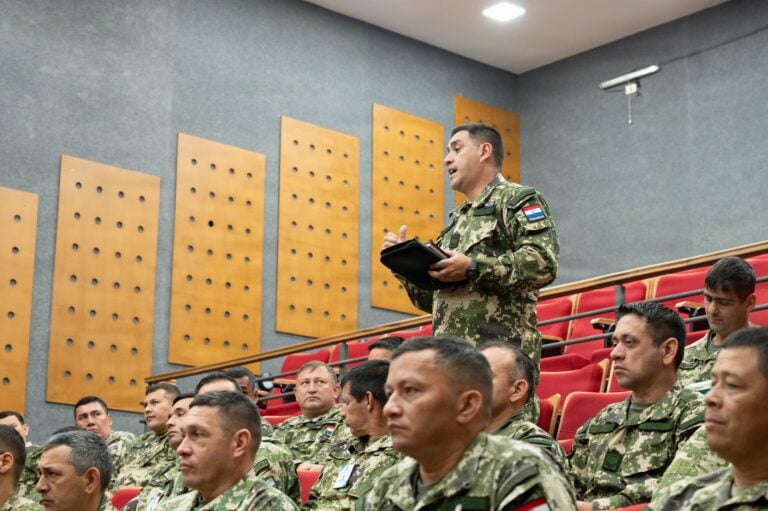
Air chiefs and senior military leaders from across South America gathered in Tucson, Arizona, August 25-28 for the South American Air Chiefs Conference (SOUTHAM) 2026, a four-day conference focused on strengthening regional cooperation and developing coordinated approaches to shared security challenges across the Western Hemisphere. Hosted by U.S. Air Forces Southern/12th Air Force (AFSOUTH), the air component to U.S. Southern…
‘Ndrangheta in Ecuador: A Growing Threat to Regional Security
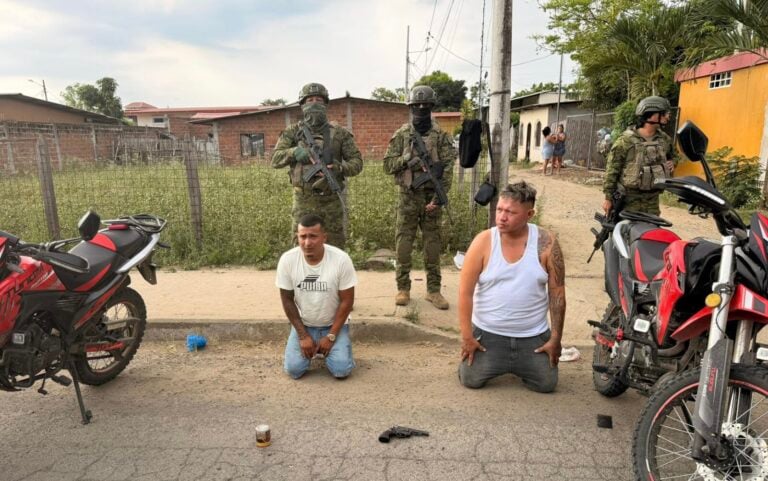
With global cocaine production reaching a record estimated 4,100 metric tons in 2024, Ecuador has emerged as one of the principal departure points for cocaine shipments bound for international markets. According to the United Nations Office on Drugs and Crime (UNODC), the country seized nearly 300 metric tons of drugs in 2024 — one of the highest totals in the…
Why Guaviare Matters: FARC Dissident Rivalries Threaten Colombia’s Strategic Trafficking Corridors
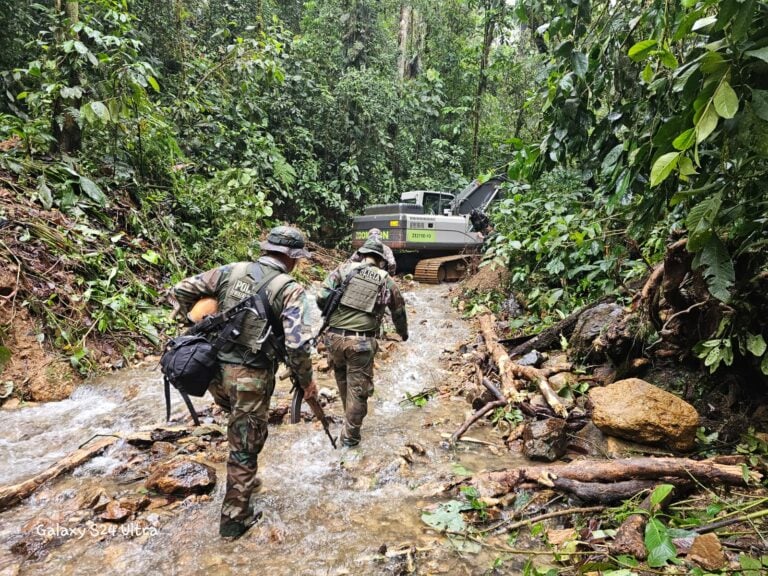
The Colombian department of Guaviare has become one of the principal battlegrounds in the conflict between rival dissident factions of the Revolutionary Armed Forces of Colombia (FARC). Rather than fighting over coca cultivation alone, the armed groups are competing for control of strategic trafficking corridors, criminal economies, and key logistics routes. Following the 2016 peace agreement, the FARC fighters who…
China’s Expansion in Squid Fishery Poses New Maritime Security Challenges
The expansion of China’s fishing fleet in South American waters is no longer limited to the large concentrations of vessels operating on the high seas along the edge of the region’s exclusive economic zones (EEZs). Chinese companies have also expanded their presence within national fishing fleets through acquisitions, local subsidiaries, and the reflagging of vessels, allowing them to operate both…
Ecuador: At the Heart of the Reconfiguration of Andean Illicit Corridors
The arrest in Ecuador of Luis Rolando Osorio Arévalo, alias Mison, accused by Colombian authorities of helping facilitate the expansion of Tren de Aragua in Bogotá, offered a glimpse into a broader transformation taking place across the Andes. Osorio was arrested in Ecuador following a coordinated operation between the security forces of Ecuador and Colombia and was transferred to Colombian…
Chile Exposes How Organized Crime Turns Stolen Copper into Transnational Revenue
Months of coordinated investigative work culminated in the largest seizure of stolen copper in Chile’s history. Operation High Voltage, carried out in April 2026 by the Investigative Police (PDI), the Public Prosecutor’s Office, the Internal Revenue Service, and the National Customs Service, led to simultaneous raids on 49 locations across seven regions of the country. The operation resulted in the…
How China’s Space Projects Are Prompting Greater Scrutiny Across South America
Governments across South America are taking a closer look at Chinese-backed space and scientific infrastructure projects as concerns grow over their potential dual-use applications, transparency, and implications for national sovereignty. Recent decisions in Argentina and Chile to halt or cancel major Chinese observatory initiatives reflect a broader trend: Advanced infrastructure once viewed primarily through a scientific or commercial lens is…
Operation PULPO Dismantles Pacific Threat Networks
Across the vital maritime transit zones of the Western Hemisphere, a new era of defense is being written. As transnational criminal organizations continue to adapt their methods and exploit maritime routes, regional partners and the United States have transitioned to a posture of active, relentless disruption. The strategic objective is clear: Apply unyielding systemic friction to the transnational threat networks…
The New Battle for Critical Minerals in the Amazon
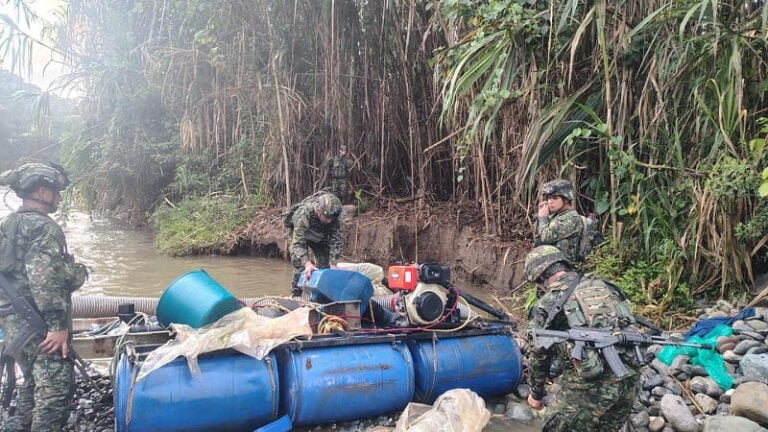
In the Amazon, where criminal organizations have spent decades building networks dedicated to drug trafficking, illegal gold mining, and smuggling, a new economic frontier is emerging. As global demand rises for critical minerals used in batteries, semiconductors, defense systems, artificial intelligence, and clean energy technologies, resources such as coltan, cassiterite, nickel, lithium, niobium, and rare earth elements are becoming increasingly…
UNITAS 2026: Preparing Together for Maritime Threats
The Peruvian Navy and U.S. naval forces are making final preparations for UNITAS LXVII, the world’s longest-running annual multinational maritime exercise, scheduled for September in Ancón, Salinas, and other locations throughout Peru. This year’s edition will expand its traditional scope to include maritime, amphibious, Amazon, cyber defense, and, for the first time, a lake phase on Lake Titicaca. The evolution…