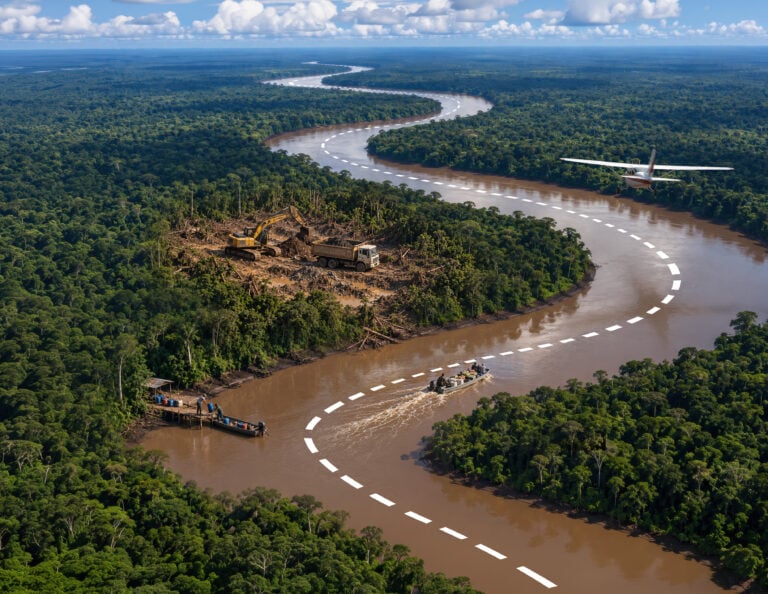
Latin America’s vast river networks are playing an increasingly important role in organized crime logistics. From the Amazon Basin to the Paraguay-Paraná Waterway, thousands of miles of rivers and tributaries cross remote areas and border regions, linking zones of cocaine production, illegal mining, and illicit natural resource exploitation to Atlantic ports and international markets. Criminal networks use these waterways to…
Browsing: South America
Bolivia, Brazil Close Gaps Exploited by Organized Crime Through Intelligence Sharing
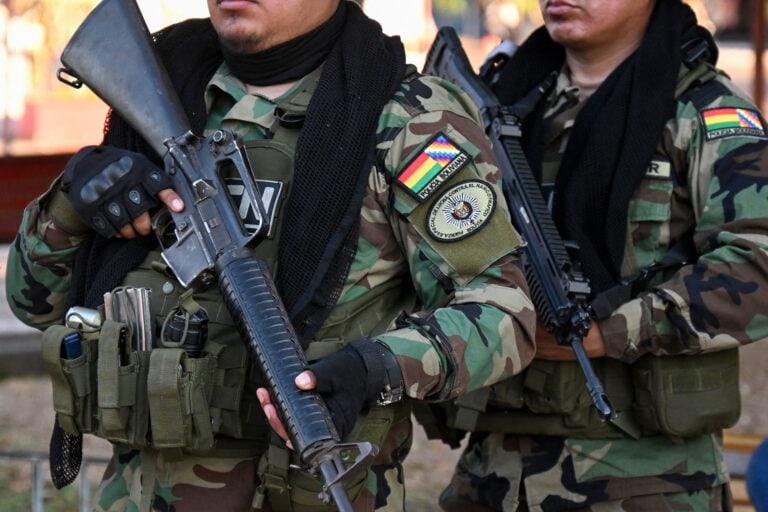
Criminal organizations operating between Bolivia and Brazil exploit the countries’ extensive shared border to move drugs, people, and resources across jurisdictions. In response to this threat, both countries are strengthening intelligence sharing, police presence, and coordinated operations to reduce the operating space of networks such as the First Capital Command (PCC) and Red Command (CV). This cooperation gained new momentum…
Multinational Cooperation Tightens the Net Around Tren de Aragua’s Transnational Leadership
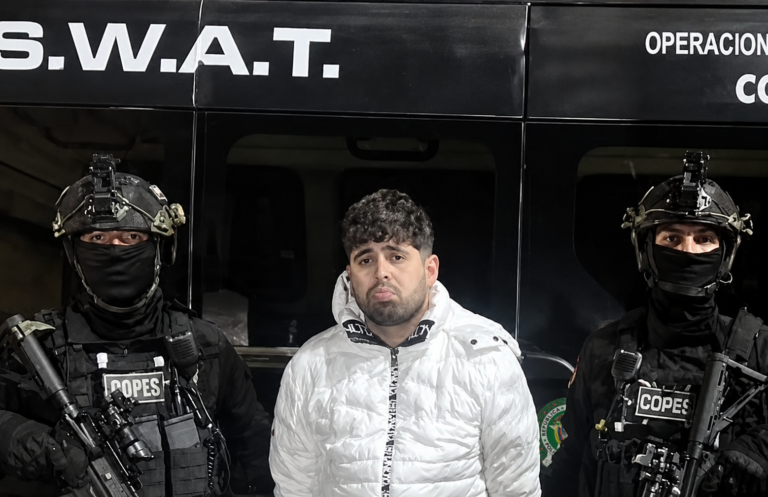
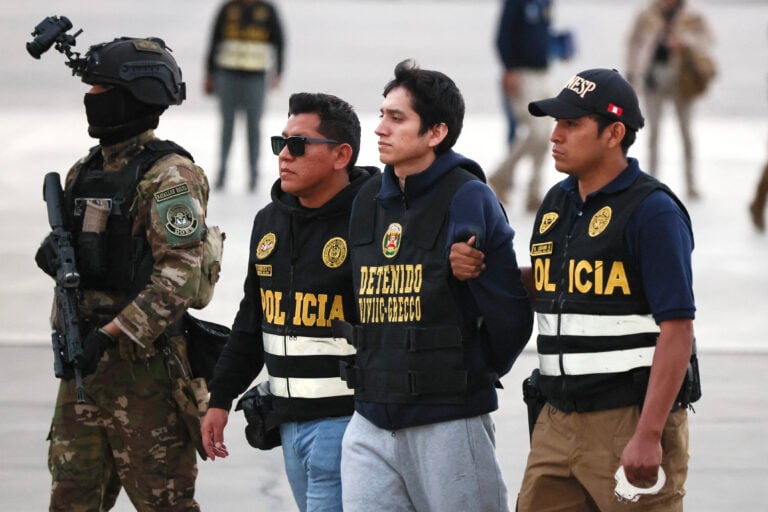
Transnational criminal organizations exploit borders, spreading their leadership, finances, and operations across multiple countries. For the security forces pursuing them, the challenge is to connect intelligence, investigations, and judicial mechanisms across those same borders. The capture in Bogotá of Luis Saúl Pérez Nieto, alias Nairobi or Páez, identified as one of the top leaders of Tren de Aragua (TdA) in…
Col. Galvis: ‘Trust and Integration Are Fundamental to Interoperability’
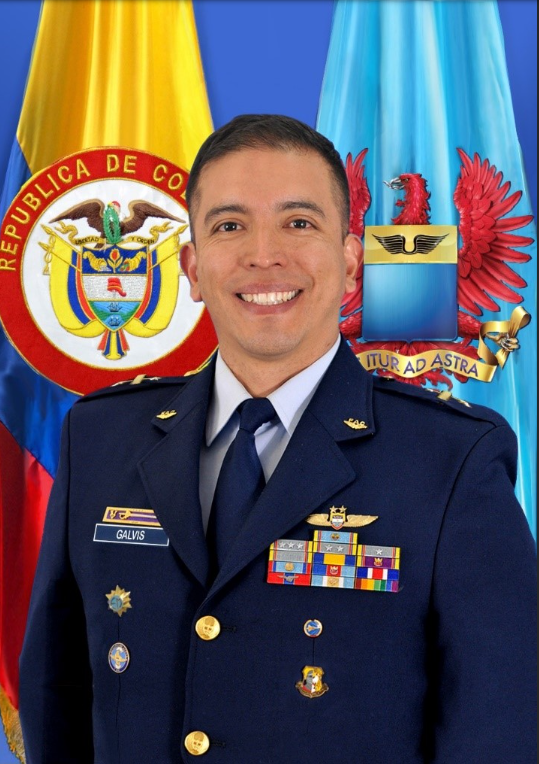
A fighter pilot with extensive experience in air operations and multinational exercises, Colombian Air Force (FAC) Colonel Carlos Andrés Galvis Espejo has served as director of Combat Operations and participated in international exercises including Red Flag, Red Flag Rescue, CRUZEX, and Relámpago. Chief of the Strategic Operational Capabilities Section and author of the study Smart Power as a Strategy for…
One Border, Different Threats: Colombia’s Evolving Security Strategy Along the Venezuelan Frontier
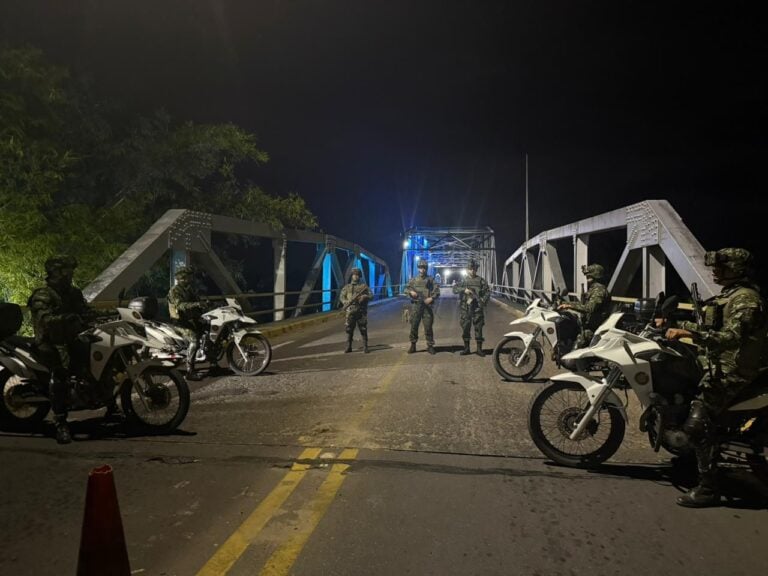
Along Colombia’s 2,219-kilometer border with Venezuela, the security challenge changes with the terrain. In Catatumbo, Colombian forces confront armed groups and the illicit economies that sustain them. Across La Guajira, long distances and open terrain make mobility and surveillance critical. Farther south, the rivers of Arauca and the Orinoquía become both transportation corridors and operational spaces. Colombia reinforced the frontier…
Peru, FBI Strengthen Specialized Team to Target Transnational Criminal Networks
Peru and the United States are strengthening cooperation against transnational organized crime through a specialized Peruvian National Police (PNP) team that works with the Federal Bureau of Investigation (FBI) to identify and dismantle criminal networks operating across borders. The Sensitive Special Team against Transnational Organized Crime (EESCCOT) brings together vetted personnel, controlled access to sensitive information, and international cooperation to…
Colombia, Regional Laboratory for Drone Warfare
In just a few years, Colombian armed groups have transformed commercial drones originally designed for civilian purposes into weapons platforms, moving from surveillance to remote attacks with explosives, extending their operational reach, and challenging security force defenses. The rapid adoption of kamikaze drones, fiber-optic-controlled systems, and coordinated attacks involving multiple aircraft reflects an evolution that has turned Colombia into a…
Peru Tightens Prison Security to Break Criminal Command from Behind Bars
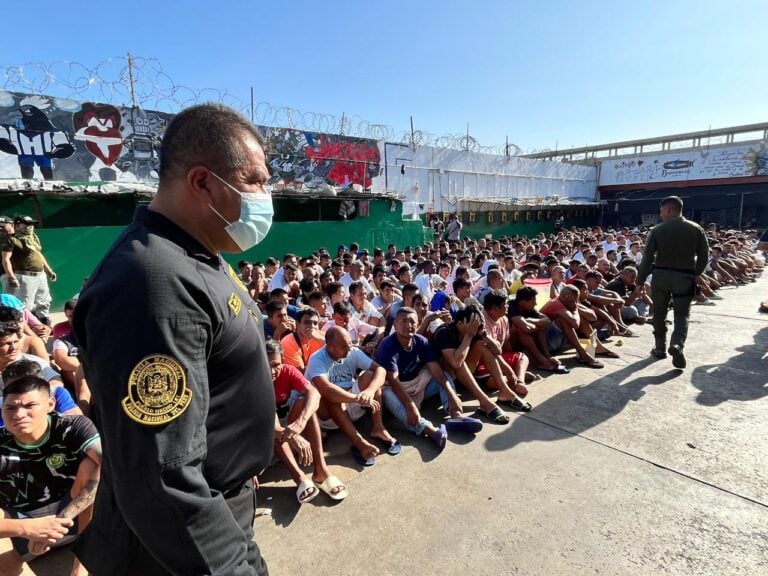
Peru is expanding its strategy to prevent criminal organizations from continuing to operate from prisons, where they coordinate extortion, contract killings, drug trafficking, and other illicit activities carried out beyond prison walls. Measures adopted and announced throughout 2026 combine prison reform, Armed Forces participation in perimeter security, control technologies, and cooperation with the United States to strengthen state control over…
Vice Admiral Oxley: ‘The Main Challenge Is Developing an Ability to Anticipate That Outpaces Criminal Organizations’ Ability to Adapt’
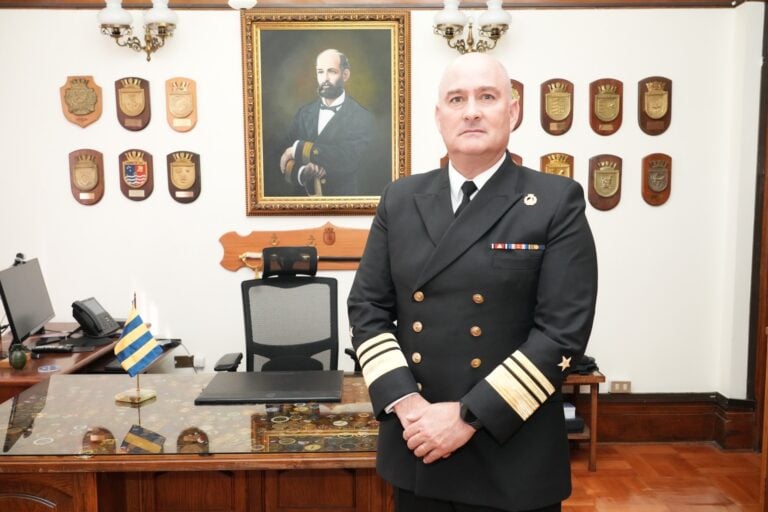
Transnational criminal organizations are changing their routes, methods, and structures to exploit international maritime supply chains and evade controls. In Chile, this dynamic has brought strategic ports such as Arica, Valparaíso, and San Antonio under greater scrutiny, as trade volumes, shipping routes, and connections to other markets create new challenges for port and maritime security. In an exclusive interview with…
As Brazilian authorities dismantle giant Stolen Smartphones’ Racketeering Scheme, a possible Hezbollah connection emerges
Summary: On September 10, the Office of Public Prosecutions of the Brazilian state of São Paulo launched Operation Frankmobile. The target: a vast criminal network engaged in theft of thousands of mobile phones, extraction of personal information from the devices for the purpose of defrauding their owners, technical alteration of the stolen goods, and their resale as new phones. The…
Ecuador Follows the Money to Strike at Organized Crime Networks
Ecuador is intensifying efforts to trace transfers, companies, properties, and other assets linked to suspected criminal networks. Cases investigated in 2026 point to a strategy that seeks to go beyond arrests: reconstruct the flow of money, identify the business networks that move it, and target the assets that sustain illicit operations. The Financial Action Task Force (FATF) considers asset recovery…
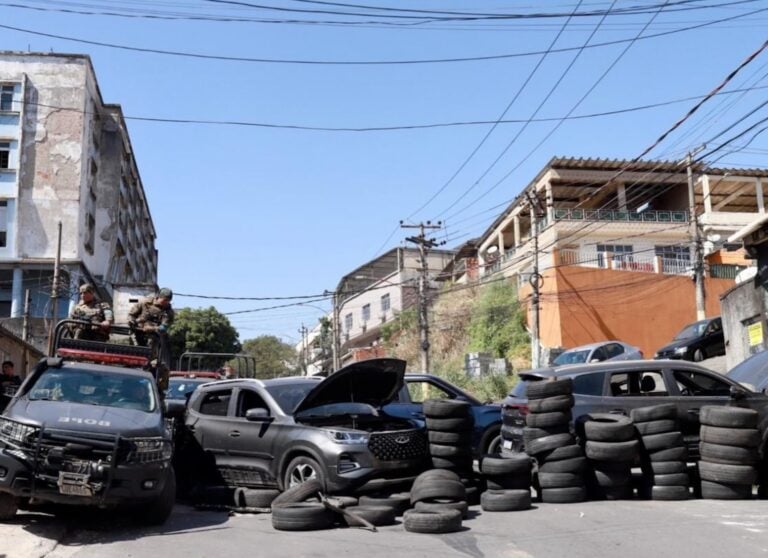
Beyond Drugs: How Brazilian Criminal Groups Build Territorial Power
The transformation of Brazilian organized crime — from a phenomenon primarily associated with illegal activities into a network capable of exercising territorial and coercive control — is redefining the nature of the challenge criminal factions pose to the state. Criminal power is no longer measured solely by the amount of drugs trafficked or firepower, but also by the ability to…