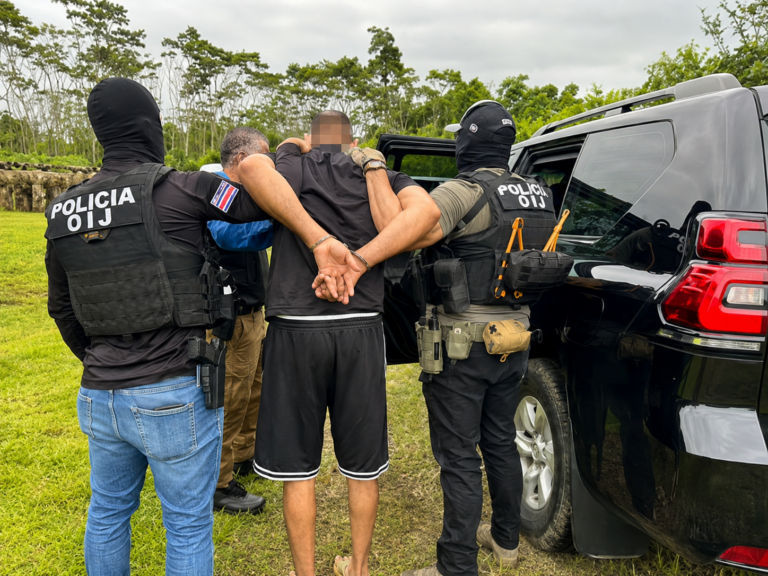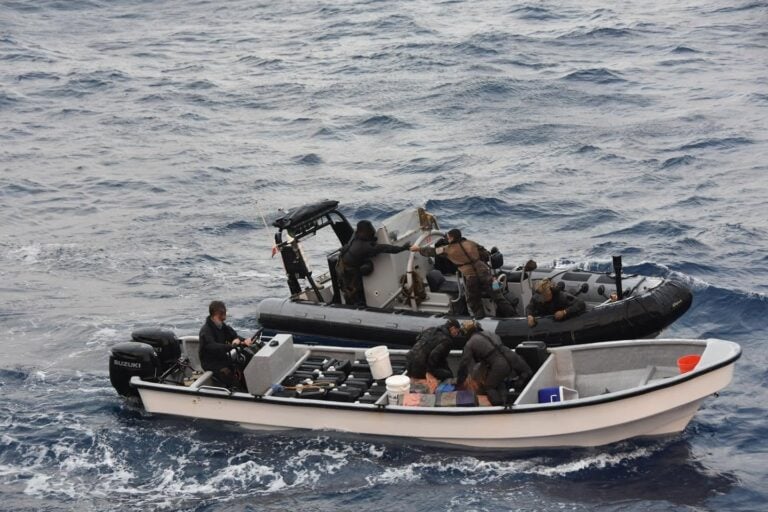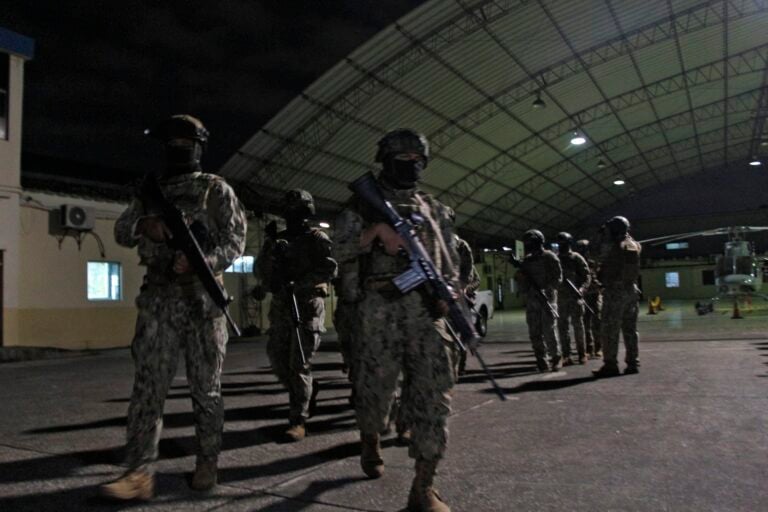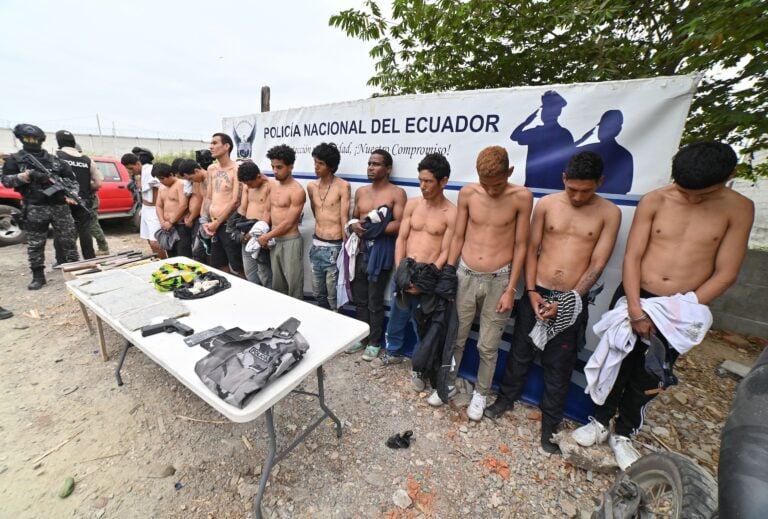
The Dominican Republic has emerged as one of the Caribbean’s key operational partners in the Americas Counter-Cartel Coalition and as a regional leader in multinational efforts to dismantle transnational criminal organizations (TCOs) that use Caribbean maritime corridors to move cocaine to North America and Europe. “The government of the Dominican Republic, through the National Drug Control Directorate (DNCD), the Attorney…
Browsing: Transnational Crime
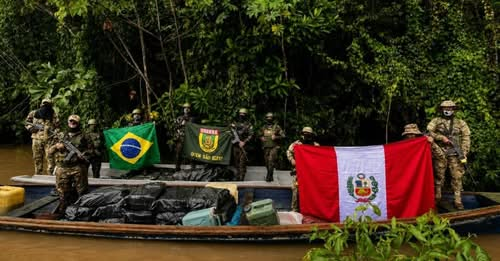
Operation PULPO Dismantles Pacific Threat Networks
Across the vital maritime transit zones of the Western Hemisphere, a new era of defense is being written. As transnational criminal organizations continue to adapt their methods and exploit maritime routes, regional partners and the United States have transitioned to a posture of active, relentless disruption. The strategic objective is clear: Apply unyielding systemic friction to the transnational threat networks…
The New Battle for Critical Minerals in the Amazon
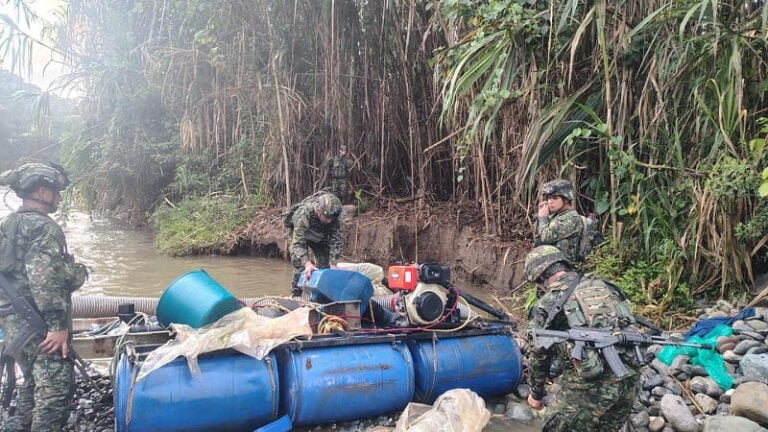
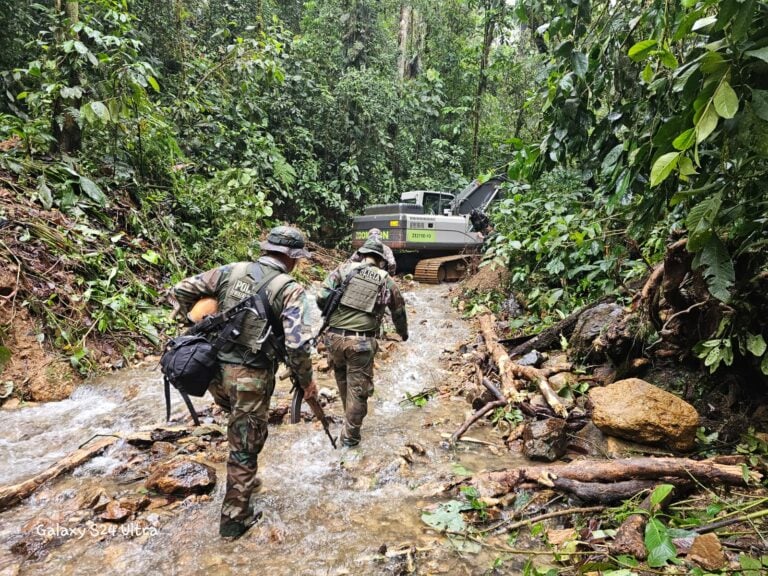
In the Amazon, where criminal organizations have spent decades building networks dedicated to drug trafficking, illegal gold mining, and smuggling, a new economic frontier is emerging. As global demand rises for critical minerals used in batteries, semiconductors, defense systems, artificial intelligence, and clean energy technologies, resources such as coltan, cassiterite, nickel, lithium, niobium, and rare earth elements are becoming increasingly…
Paraguay Strengthens Waterway Security as Cocaine Shipments to Europe Decline
Paraguay has made significant progress in its fight against transnational drug trafficking by strengthening security at its river ports and implementing a strategy centered on intelligence, interagency coordination, and international cooperation. Paraguayan authorities say the country is no longer one of the principal departure points for cocaine shipments to Europe, a shift they attribute to policies implemented under the administration…
Ecuador: The New Synthetic Drug Frontier Raising Concerns Across the Americas
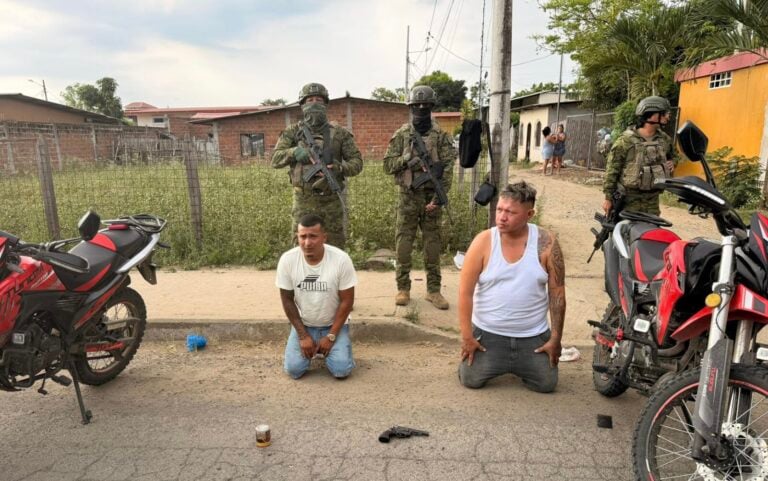
In recent years, transnational criminal organizations have turned Ecuador into one of the region’s principal transit hubs for drug shipments bound for the United States and Europe. Today, however, the country faces an even more complex regional security challenge: the expansion of synthetic drugs. Primarily a transit point for cocaine, Ecuador is increasingly emerging as a hub for the importation…
Strengthening Riverine Security in Paraguay Expands Surveillance and Interdiction Capabilities Along the Waterway
Paraguay and the United States strengthened their riverine security cooperation in April 2026 with the addition of eight new interceptor boats to the Paraguayan Navy, as part of a broader program designed to enhance surveillance, interdiction, and control along the Paraguay-Paraná Waterway. At the same time, Paraguay inaugurated a Command and Control Center to improve operational coordination along one of…
Honduras, Guatemala Strengthen Cross-Border Security with US Support
Recent armed incidents along the Honduras-Guatemala border have reinforced the need for closer coordination between the two countries as transnational criminal organizations increasingly exploit borders to move drugs, weapons, and other illicit goods throughout Central America. Strengthened military coordination, expanded information sharing, reinforced border surveillance, and continued cooperation with the United States aim to improve both countries’ ability to detect…
Ports Under Pressure: Ecuador’s Offensive to Reclaim Puerto Bolívar
Commercial ports across Latin America and the Caribbean have become one of the primary battlegrounds in the fight against transnational organized crime. In Ecuador, one of the clearest examples is Puerto Bolívar, a strategic hub for banana exports that has also emerged as one of the main departure points for cocaine shipments bound for Europe. To regain control, the Ecuadorian…
From Paraguay to Bolivia: The New Hub of Brazilian Criminal Organizations
In recent years, the geography of Brazilian drug trafficking has undergone a profound transformation, reshaping the map of organized crime across Latin America. While Paraguay served for decades as the principal operational rear base for the First Capital Command (PCC) and the Red Command (CV), the center of gravity of their operations is increasingly shifting toward Bolivia. According to investigators,…
Illegal Gold Mining Fuels the Evolution of Criminal Networks in Peru
The rapid expansion of illegal gold mining in Peru’s Amazon and border regions is reshaping criminal dynamics across the country as traditional coca-producing networks in the Apurímac, Ene and Mantaro Rivers Valley (VRAEM) and elsewhere increasingly invest capital and manpower in illicit mining operations. High global gold prices, the ease with which illicit gold can be laundered into legal markets,…
Chile Expands Regional Security Partnerships Against Transnational Crime
Chile is strengthening a growing network of regional and international partnerships as it confronts the expanding challenge of transnational organized crime. Through cooperation agreements with the United States, joint mechanisms with Argentina and Bolivia, and broader coordination initiatives with neighboring countries, Santiago is enhancing the intelligence, investigative, and operational capabilities needed to address criminal organizations that operate across borders. The…
Low-Cost Drones: A New Challenge in the Fight Against Organized Crime in Latin America
Criminal organizations are increasingly adapting commercial drones across Latin America to bypass security measures, monitor law-enforcement activity, transport illicit materials, and support criminal operations from prisons and remote territories. Their growing accessibility and versatility present an evolving challenge for security, defense, and law enforcement agencies throughout the region. The threat in Ecuador’s prisons In late April, Ecuador’s Interior Minister John…