Belize is restructuring its response to criminal gang violence under a unified command, integrating intelligence, analysis, investigations, and law enforcement while expanding the use of data to anticipate crime rather than simply react to it. On July 3, 2026, the Belize Police Department created the Violence Prevention and Enforcement Team (VPAET), a national unit designed to coordinate efforts targeting high-risk…
Browsing: Central America
Panama Integrates Technology, Intelligence into Operations Against Transnational Crime
Panama is integrating unmanned systems, cybersecurity tools, and new analytical capabilities into its operations against transnational criminal organizations. The goal is to turn information gathered along borders, coastlines, and at ports into intelligence that can help identify patterns, guide operations, and support action against criminal networks. In July 2026, the Ministry of Public Security (MINSEG) announced the creation of the…
Honduras Leads Maritime Counterdrug Effort During Operation Barracuda
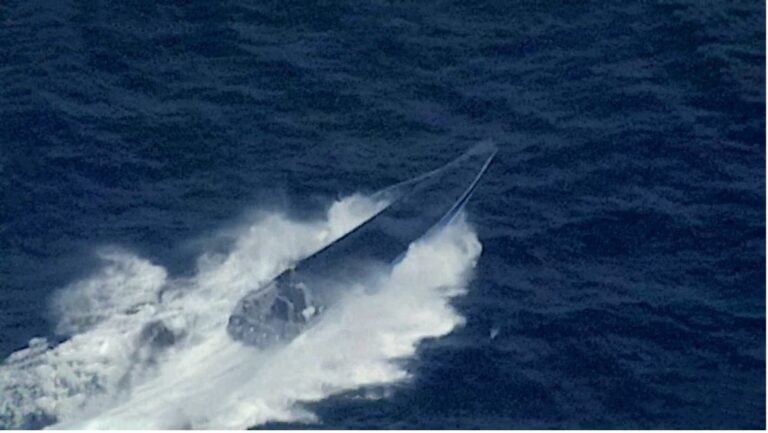
Honduran security forces, working in close coordination with regional and U.S. partners, seized 2,560 kilograms of suspected cocaine and detained nine suspected smugglers during Operation Barracuda, a multinational maritime counterdrug operation conducted September 6–21, 2026. The operation underscored Honduras’s leadership in combating transnational criminal organizations and demonstrated how coordinated intelligence, aerial surveillance, and maritime capabilities strengthen regional efforts to disrupt…
Guatemala Strengthens Border Security Through Intelligence and Cooperation
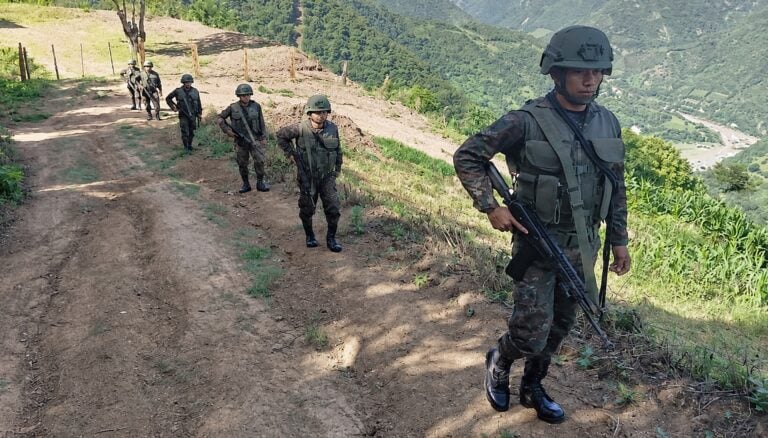
Guatemala is reshaping its border security approach, moving from broad-based controls toward a model driven by intelligence, risk management, and interagency coordination. The goal is to anticipate the operations of transnational criminal networks and stop them before they can establish new corridors in the country. The strategy seeks to integrate government capabilities to share information, identify risk patterns, and direct…
Costa Rica Faces Increasingly Diversified Illicit Arms Market
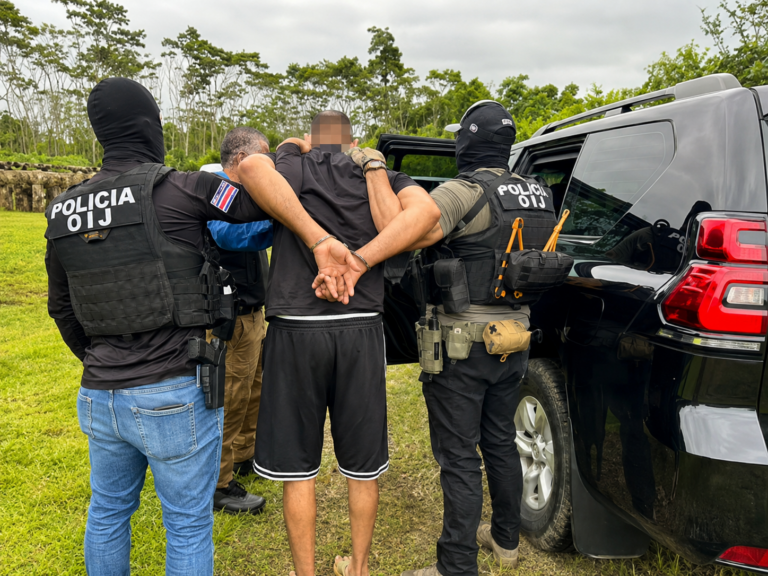
The capture of Alejandro Arias Monge, alias Diablo, considered Costa Rica’s most wanted fugitive, exposed the growing firepower and technological capabilities of criminal organizations, British broadcaster BBC News reported. The operation ended a decade on the run after a nearly 50-minute firefight that left eight agents wounded, Infobae reported. Security forces carried out the operation on July 24, 2026, in…
Following the Money: Guatemala Joins Hemispheric Push Against Organized Crime Finances
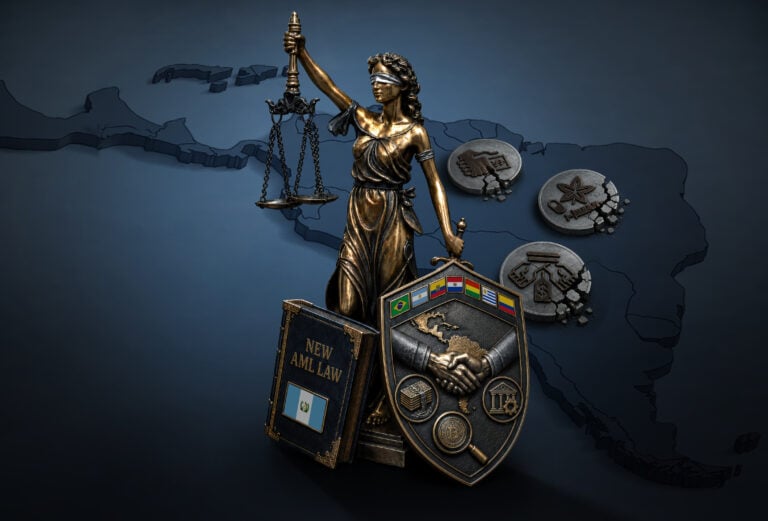
The fight against transnational organized crime in Latin America and the Caribbean is entering a new phase. Beyond capturing kingpins or seizing drugs, governments are increasingly focusing their efforts on identifying, tracing, and dismantling the financial structures that sustain criminal organizations. That shift was reflected in Guatemala with the September entry into force of the Comprehensive Law for the Prevention…
Guatemala, US Elite Forces Partnership Strengthens Fight Against Transnational Crime
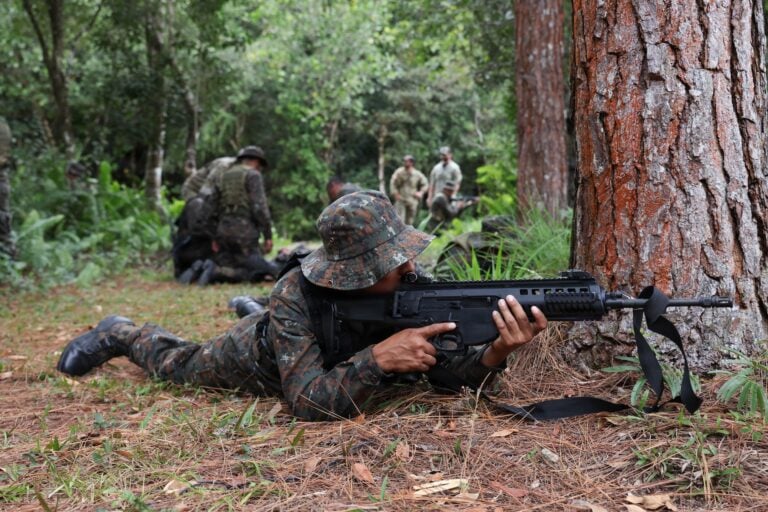
As transnational criminal organizations (TCOs) become increasingly sophisticated, Guatemala continues to strengthen its special operations capabilities through sustained cooperation with U.S. special operations forces. That strategic partnership was demonstrated during a March 2026 exercise in Poptún, Petén Department, where U.S. Army Green Berets assigned to the 7th Special Forces Group (Airborne) trained alongside personnel from the Guatemalan Army’s Naval Special…
Panama Strengthens Maritime, Border, and Cybersecurity Capabilities with US Support
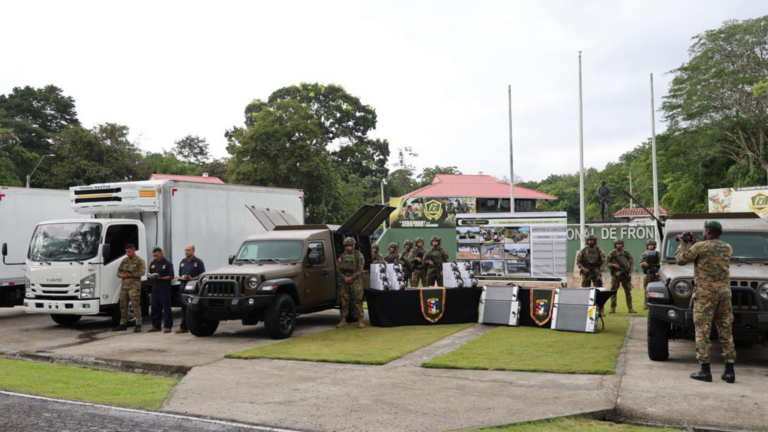
Panama continues to strengthen its security forces’ ability to monitor its land borders, maritime domain, and digital networks in a more coordinated manner to counter threats posed by transnational organized crime. As part of that effort, the United States delivered more than $5 million in maritime, border, and cybersecurity equipment in June to Panama’s National Border Service (SENAFRONT) and National…
Central America Strengthens Aerial Surveillance Against Transnational Crime
Central American security forces are incorporating unmanned aerial systems and intelligence, surveillance, and reconnaissance (ISR) capabilities to counter increasingly mobile and technologically sophisticated criminal organizations. These tools expand surveillance over borders, coastlines, and remote forested areas, at a time when criminal networks themselves are also using drones to monitor their surroundings, transport illicit goods, and support other illegal activities. Situational…
Georgia Guard Soldiers Train Alongside US, Panamanian Partners in Jungle Operations
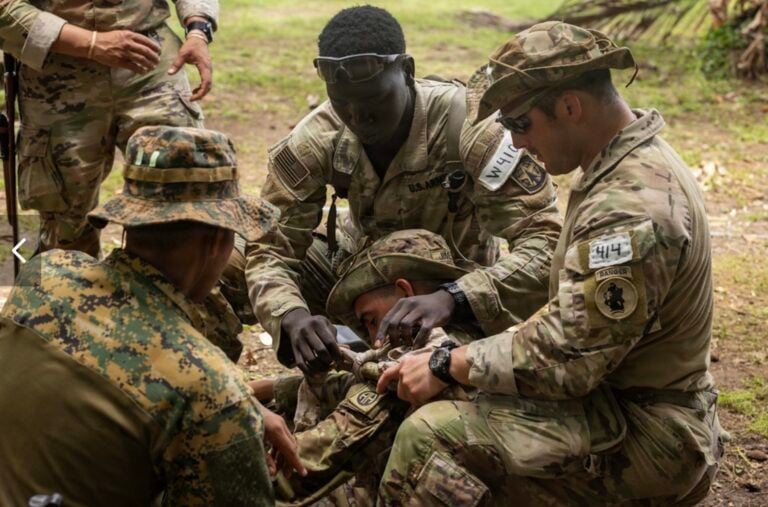
High heat, constant humidity, heavy rainfall, dense vegetation, dangerous animals, and countless insects are what soldiers from the 1st Battalion, 54th Security Force Assistance Brigade faced while training alongside other U.S. service members and Panamanian security forces at the Combined Jungle Training Center-South in Panama from June 13 through July 3. “The moment I stepped off the bus at the…
Panama Strengthens Cyber Defense to Protect Critical Infrastructure
Panama is strengthening its ability to protect the digital systems that support government operations and critical infrastructure. The country recently advanced this effort by operationalizing its State Cybersecurity Operations Center, designed to continuously monitor government networks, improve incident response, and strengthen protection against increasingly sophisticated threats. Led by the National Authority for Government Innovation (AIG), the initiative forms part of…
Ports, Data, and Critical Infrastructure: Protecting Guatemala’s Strategic Assets
With a population of more than 18 million, the largest economy in Central America, and a strategic location between the Atlantic and Pacific oceans, Guatemala occupies a unique position in the region. As the country modernizes its port, digital, and technological infrastructure, Chinese companies and technologies have expanded their presence across multiple sectors. This has prompted broader discussions about how…