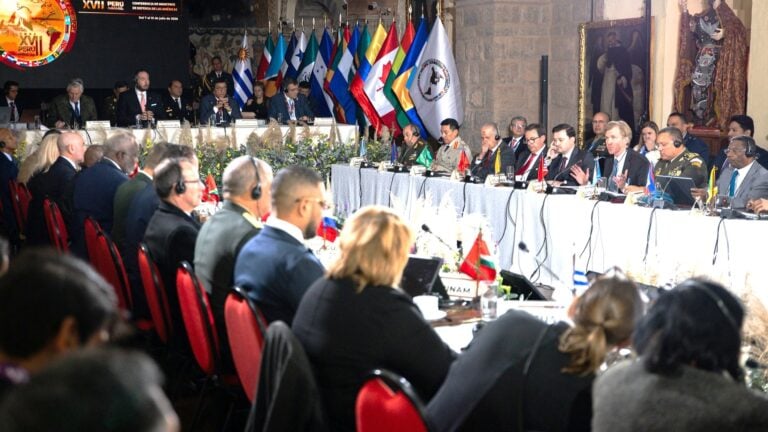
The Americas Move from Commitments to Action Against Transnational Threats
Criminal networks trafficking drugs, weapons, and other illicit goods across the Americas operate without regard for national borders. To confront that threat, countries across the region are strengthening cooperation mechanisms that connect intelligence, capabilities, and operations beyond their territories. The Cusco Declaration and the Americas Counter Cartel Coalition (ACCC) reflect that trend. Although they are separate initiatives, both seek to…
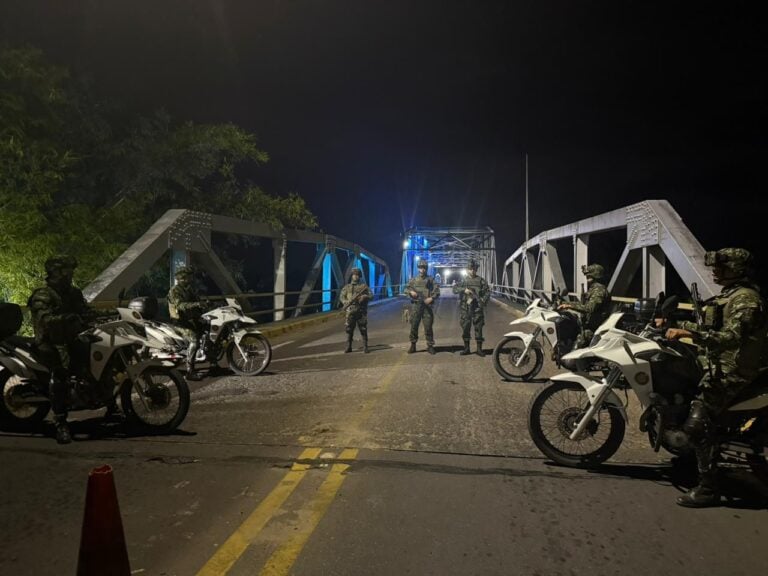
One Border, Different Threats: Colombia’s Evolving Security Strategy Along the Venezuelan Frontier
Along Colombia’s 2,219-kilometer border with Venezuela, the security challenge changes with the terrain. In Catatumbo, Colombian forces confront armed groups and the illicit economies that sustain them. Across La Guajira, long distances and open terrain make mobility and surveillance critical. Farther south, the rivers of Arauca and the Orinoquía become both transportation corridors and operational spaces. Colombia reinforced the frontier…
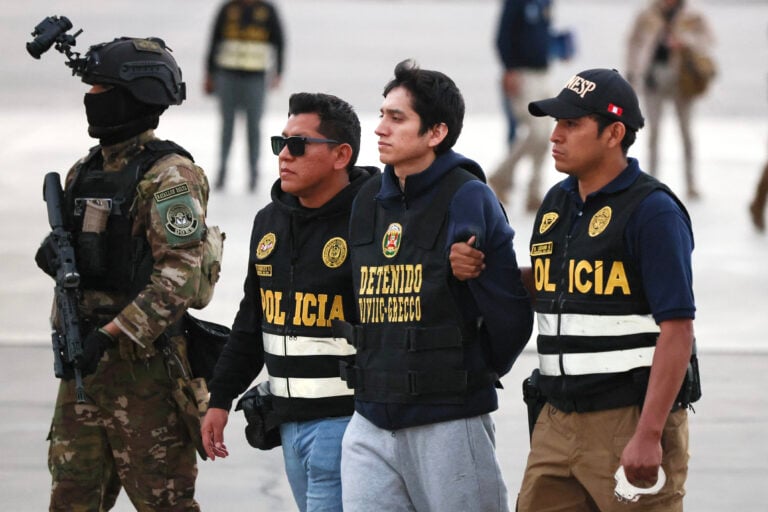
Peru, FBI Strengthen Specialized Team to Target Transnational Criminal Networks
Peru and the United States are strengthening cooperation against transnational organized crime through a specialized Peruvian National Police (PNP) team that works with the Federal Bureau of Investigation (FBI) to identify and dismantle criminal networks operating across borders. The Sensitive Special Team against Transnational Organized Crime (EESCCOT) brings together vetted personnel, controlled access to sensitive information, and international cooperation to…
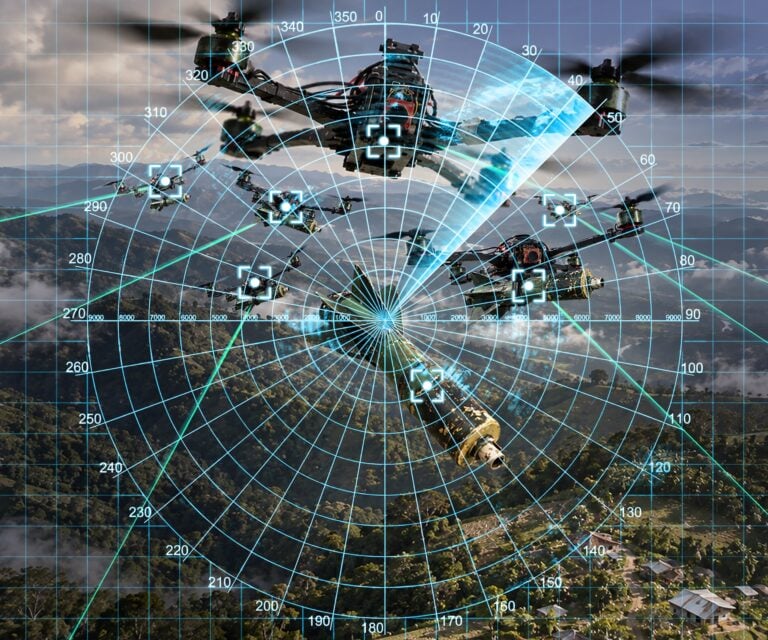
Colombia, Regional Laboratory for Drone Warfare
In just a few years, Colombian armed groups have transformed commercial drones originally designed for civilian purposes into weapons platforms, moving from surveillance to remote attacks with explosives, extending their operational reach, and challenging security force defenses. The rapid adoption of kamikaze drones, fiber-optic-controlled systems, and coordinated attacks involving multiple aircraft reflects an evolution that has turned Colombia into a…
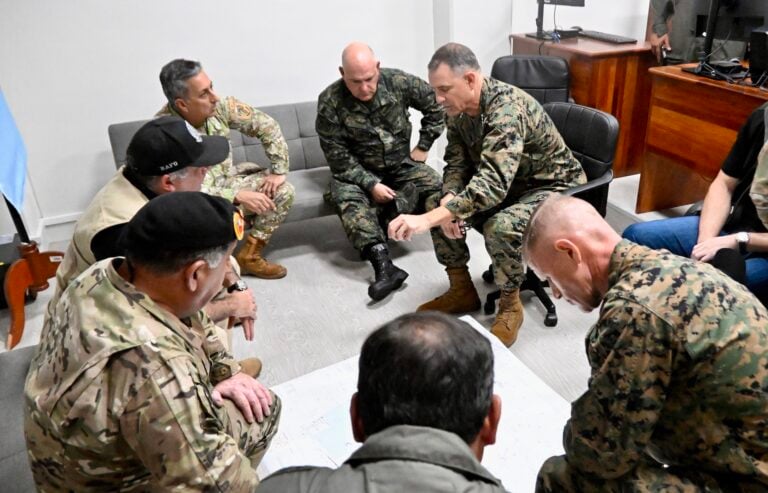
SOUTHCOM Commander Visits Peru, Strengthens Cooperation to Combat Narcoterrorists
U.S. Marine Corps General Francis L. Donovan, commander of U.S. Southern Command (SOUTHCOM) visited Peru, October 13-15 to advance joint efforts to combat narcoterrorism and hemispheric threat networks (HTNs) in support of the Americas Counter-Cartel Coalition (ACCC) and strengthen the U.S.-Peru security partnership. This was Gen. Donovan’s first visit to Peru as SOUTHCOM commander. During the visit, Gen. Donovan joined…
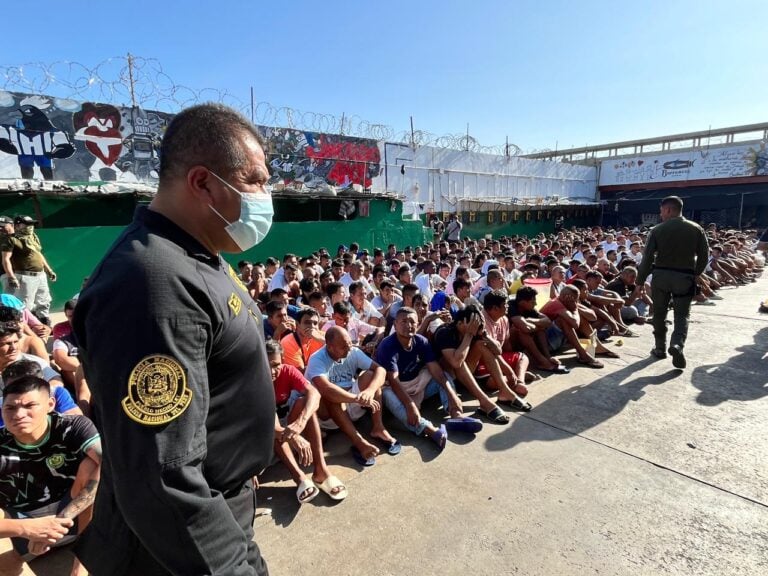
Peru Tightens Prison Security to Break Criminal Command from Behind Bars
Peru is expanding its strategy to prevent criminal organizations from continuing to operate from prisons, where they coordinate extortion, contract killings, drug trafficking, and other illicit activities carried out beyond prison walls. Measures adopted and announced throughout 2026 combine prison reform, Armed Forces participation in perimeter security, control technologies, and cooperation with the United States to strengthen state control over…
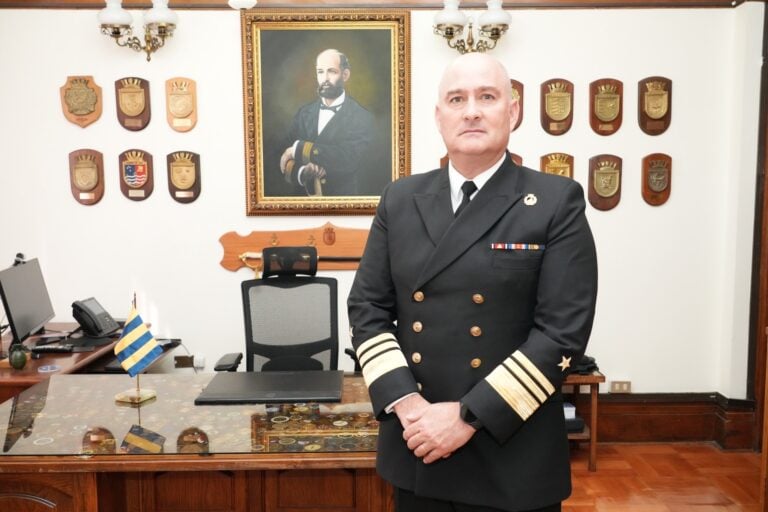
Vice Admiral Oxley: ‘The Main Challenge Is Developing an Ability to Anticipate That Outpaces Criminal Organizations’ Ability to Adapt’
Transnational criminal organizations are changing their routes, methods, and structures to exploit international maritime supply chains and evade controls. In Chile, this dynamic has brought strategic ports such as Arica, Valparaíso, and San Antonio under greater scrutiny, as trade volumes, shipping routes, and connections to other markets create new challenges for port and maritime security. In an exclusive interview with…

As Brazilian authorities dismantle giant Stolen Smartphones’ Racketeering Scheme, a possible Hezbollah connection emerges
Summary: On September 10, the Office of Public Prosecutions of the Brazilian state of São Paulo launched Operation Frankmobile. The target: a vast criminal network engaged in theft of thousands of mobile phones, extraction of personal information from the devices for the purpose of defrauding their owners, technical alteration of the stolen goods, and their resale as new phones. The…
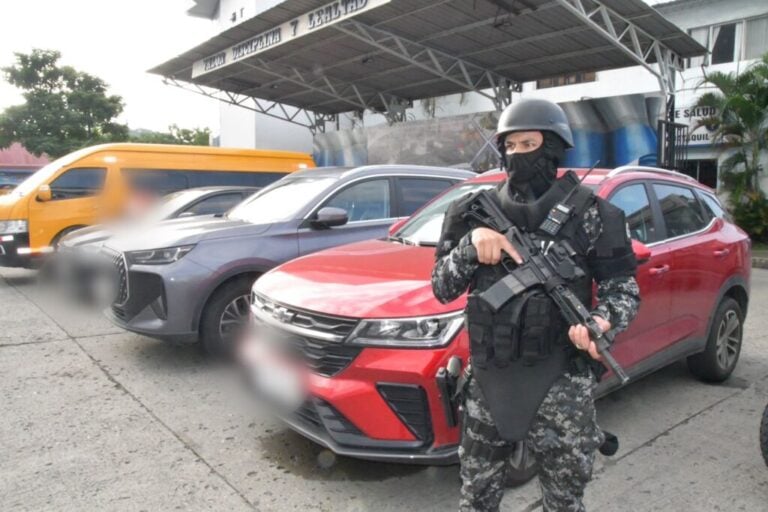
Ecuador Follows the Money to Strike at Organized Crime Networks
Ecuador is intensifying efforts to trace transfers, companies, properties, and other assets linked to suspected criminal networks. Cases investigated in 2026 point to a strategy that seeks to go beyond arrests: reconstruct the flow of money, identify the business networks that move it, and target the assets that sustain illicit operations. The Financial Action Task Force (FATF) considers asset recovery…
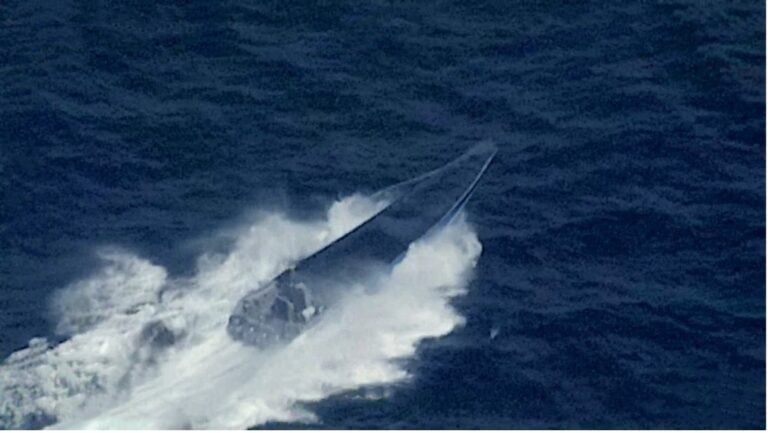
Honduras Leads Maritime Counterdrug Effort During Operation Barracuda
Honduran security forces, working in close coordination with regional and U.S. partners, seized 2,560 kilograms of suspected cocaine and detained nine suspected smugglers during Operation Barracuda, a multinational maritime counterdrug operation conducted September 6–21, 2026. The operation underscored Honduras’s leadership in combating transnational criminal organizations and demonstrated how coordinated intelligence, aerial surveillance, and maritime capabilities strengthen regional efforts to disrupt…
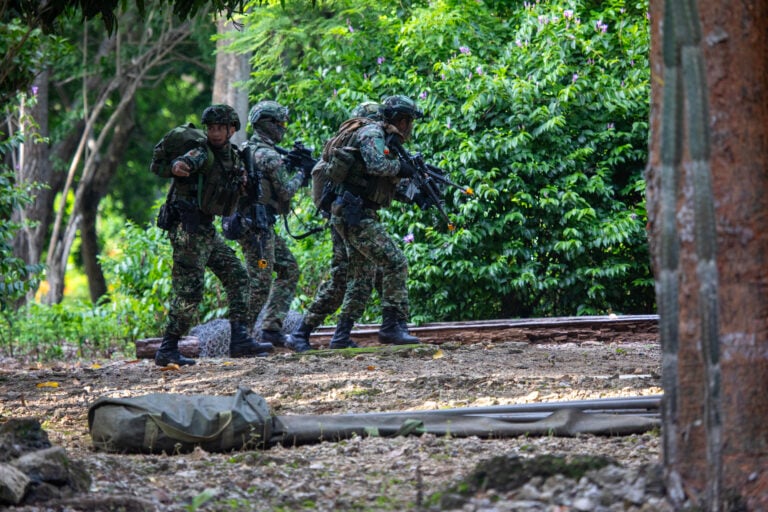
Colombia Brings Operational Expertise to the Americas Counter-Cartel Coalition
Colombia’s entry into the Americas Counter-Cartel Coalition (ACCC) strengthens hemispheric cooperation against transnational organized crime, bringing decades of operational experience and expertise in confronting threats that extend across national borders. Intelligence, maritime and riverine interdiction, special operations, financial investigations, technology, and training are among the capabilities Colombia brings to the Coalition. Developed through years of operations against drug trafficking, armed…
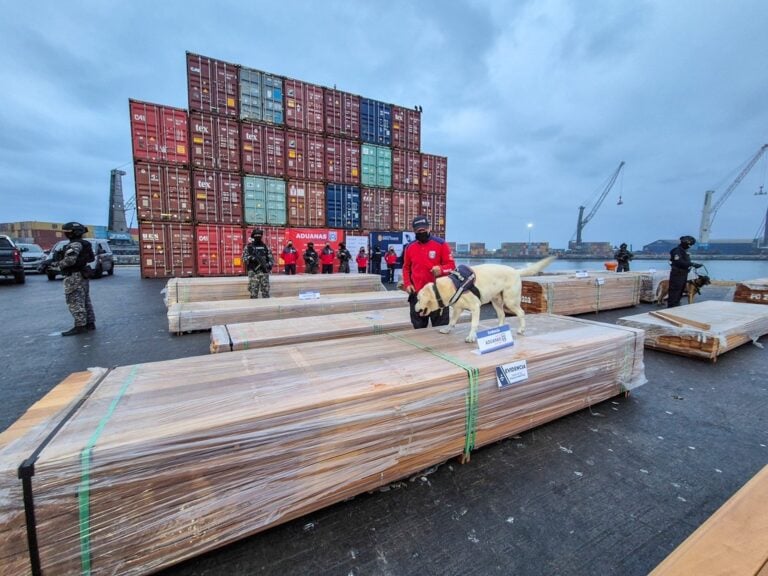
Liquid Cocaine Puts Ports, Laboratories, and Customs Agencies to the Test
As customs controls become increasingly sophisticated, transnational criminal organizations (TCOs) are turning to ever more complex concealment methods. Among them is so-called liquid cocaine, produced by altering the drug’s physical properties and incorporating it into seemingly legitimate liquid or viscous substances, such as beverages, fruit juice and pulp, oils, shampoos, creams, and gels. Once it reaches its destination, the cocaine…