
Beyond Drugs: How Brazilian Criminal Groups Build Territorial Power
The transformation of Brazilian organized crime — from a phenomenon primarily associated with illegal activities into a network capable of exercising territorial and coercive control — is redefining the nature of the challenge criminal factions pose to the state. Criminal power is no longer measured solely by the amount of drugs trafficked or firepower, but also by the ability to…
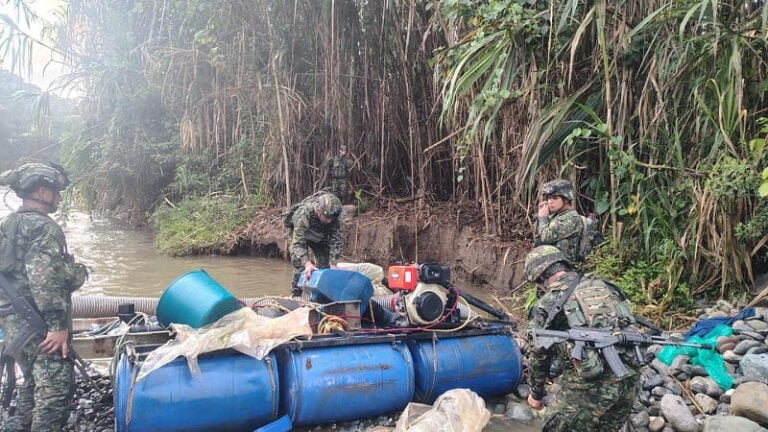
Colombia Targets the Networks that Sustain Criminal Control
Colombia is intensifying its offensive against criminal organizations with a strategy aimed not only at their armed members and drug trafficking operations, but also at the finances and illicit economies that allow them to maintain territorial control. “We are going to strike their structures, their leaders, their finances, and the illicit economies that fuel their criminal machinery,” President Abelardo De…
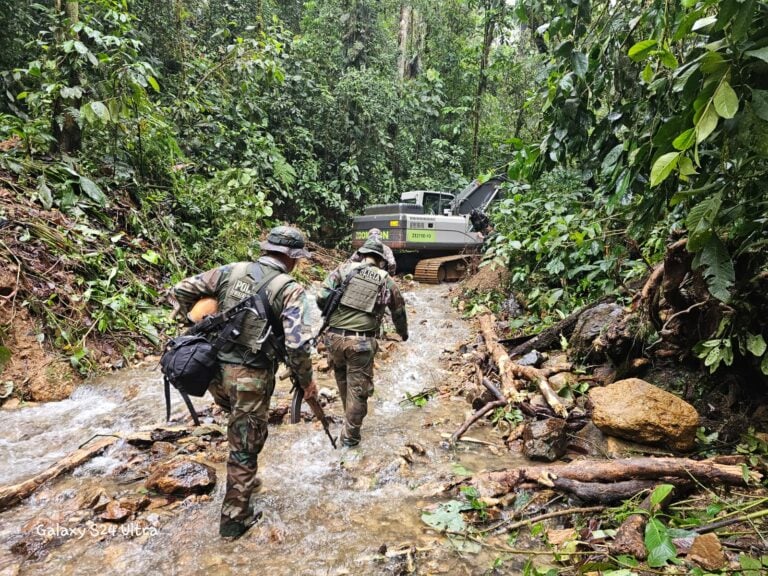
Peru, Ecuador Step Up Cooperation to Counter the Spread of Illegal Mining
Peru and Ecuador are coordinating their security forces against illegal mining and logging along their shared border with a clear objective: preventing criminal networks from shifting their operations across the border when pressure increases in either country. In May 2026, the countries’ defense ministers met in Arenillas, Ecuador, and agreed to strengthen cooperation against transnational organized crime, illegal mining, and…
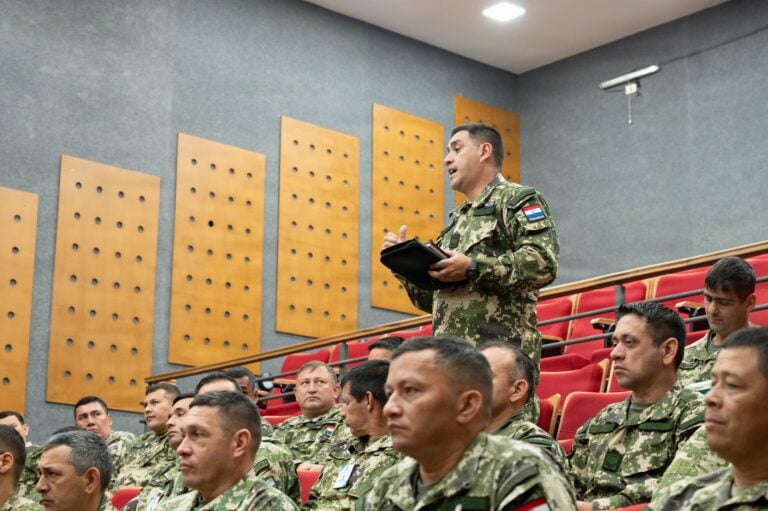
Paraguayan NCOs, Massachusetts Guard Build Trust in Leadership Exchange
Sixty members of the Paraguayan Armed Forces attended a noncommissioned officer professional development (NCOPD) event in partnership with the Massachusetts National Guard in Asunción, Paraguay, September 15-18. The bilateral engagement capped more than three years of coordination and collaboration among senior enlisted leaders from Massachusetts and Paraguay. Organizers designed the multi-day event to build the essential leadership skills NCOs need…
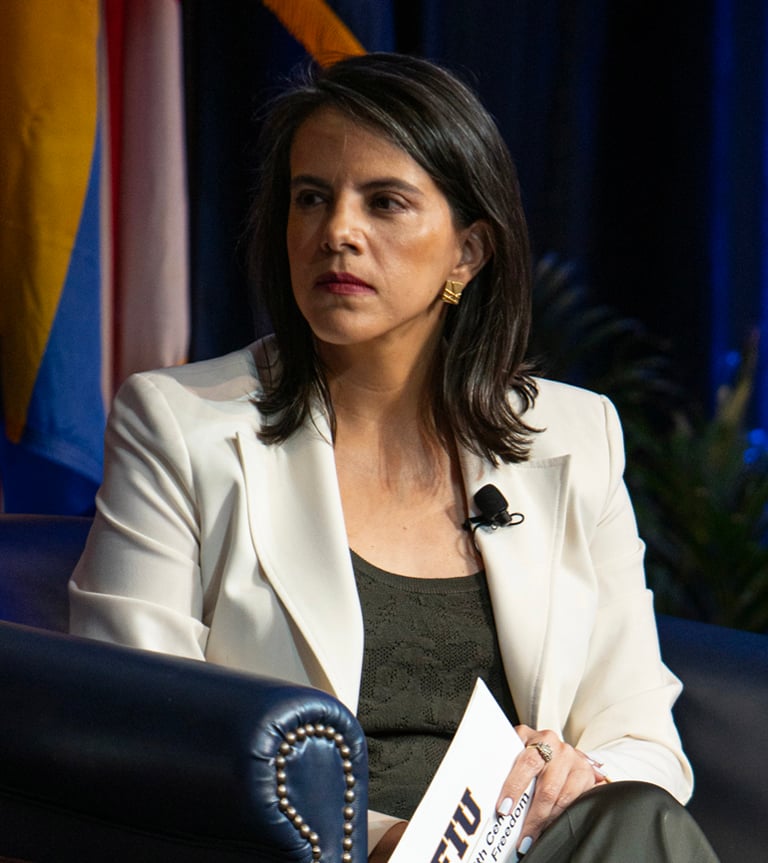
María Paula Romo: ‘Crime is Organized and Transnational, so the Response Must Be Organized and Transnational’
Transnational criminal organizations increasingly operate across borders, combining drug trafficking and other illicit economies with financial, logistical, and corruption networks that allow them to expand their reach. Faced with a threat that exceeds the response capabilities of any single country, regional cooperation has become a central component of security efforts across the hemisphere. That approach gained new momentum in March…
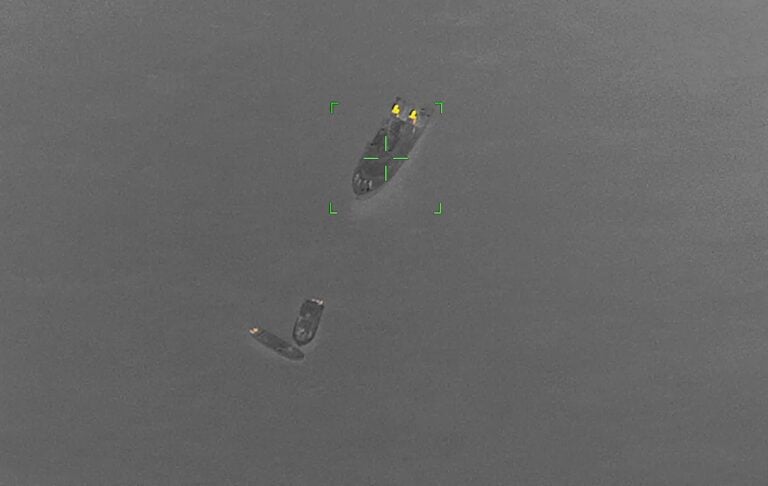
Operation Ultramar: Dominican Republic, US Disrupt Traffickers in the Central Caribbean
From August 15–28, 2026, the Dominican Republic and the United States combined intelligence, surveillance, maritime patrol aircraft, surface vessels, and partner-nation interdiction capabilities during Operation Ultramar, a coordinated counternarcotics effort in the Central Caribbean. The operation demonstrated how the Dominican Republic and the United States, supported by regional and international partners, can apply persistent systemic friction to transnational criminal organizations…
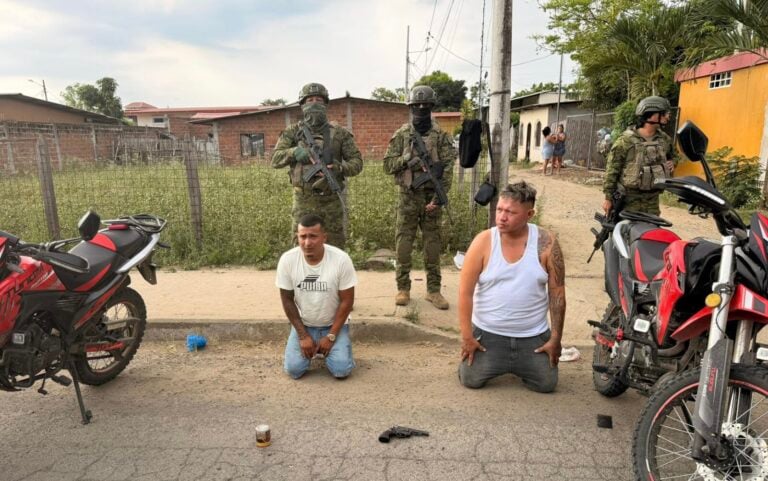
Ecuador Shifts Pressure on Los Choneros from Leadership to Logistics Networks
Ecuadorian security forces captured Francisco Manuel Bermúdez Cagua, alias Churrón, one of the top leaders of Los Choneros, in Guayaquil on July 2. Bermúdez Cagua was wanted by U.S. authorities on drug trafficking and weapons charges. The U.S. government had offered a reward of up to $5 million for information leading to his arrest or conviction. The arrest further reduced…

China’s Role in Argentina Copper Projects Reopens Debate over Strategic Dependence
The awarding of a new phase of the Batidero camp to a consortium comprising two Chinese companies and one Argentine firm has sparked debate over the role of domestic industry in one of the region’s largest copper developments, local outlet iProfesional reported. The camp, in Argentina’s San Juan province, will house workers for the Vicuña mining project. The contract calls…
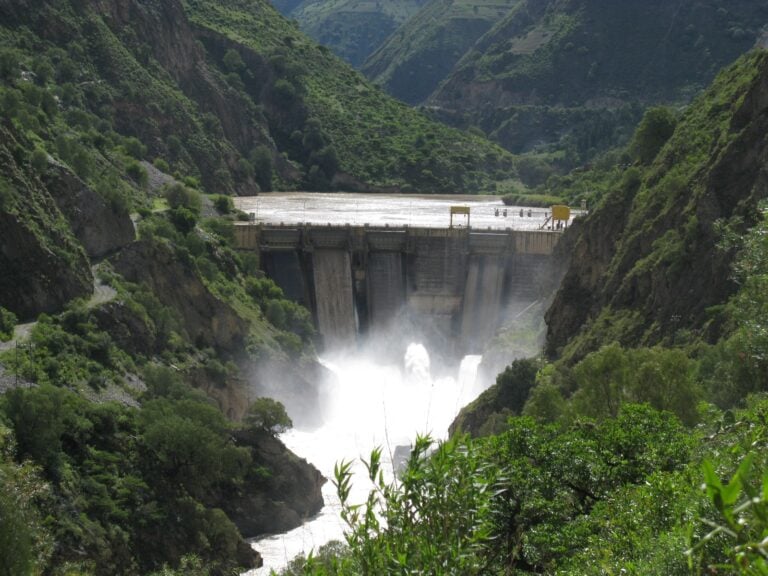
China Expands Its Presence in Peru’s Critical Electricity Infrastructure
State-owned China Three Gorges Corporation (CTG) expanded its presence in Peru’s electricity sector in 2026 by acquiring the remaining stake in Hydro Global Perú, a company linked to the San Gabán III hydroelectric plant in Puno. The transaction adds to the group’s other major assets in the country, including the Chaglla hydroelectric plant in the department of Huánuco and Luz…

Drone Terror Rising: Terrorists Are Finding New Ways to Weaponize Drones
This article was originally published in U.S. Africa Command’s Magazine ADF, on May 7, 2026. When Islamic State West Africa Province (ISWAP) extremists launched four simultaneous deadly attacks against Nigerian military forces in late October 2025, armed drones played a key role. The attacks on positions in the communities of Dikwa, Gajibo, Mafa, and Katarko killed five soldiers and burned…
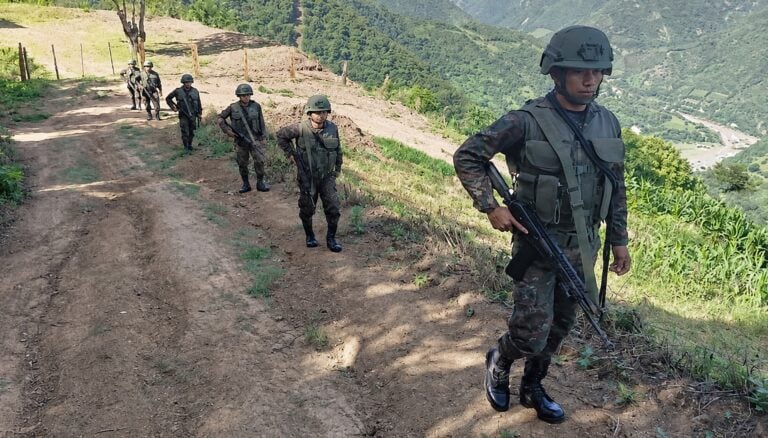
Guatemala Strengthens Border Security Through Intelligence and Cooperation
Guatemala is reshaping its border security approach, moving from broad-based controls toward a model driven by intelligence, risk management, and interagency coordination. The goal is to anticipate the operations of transnational criminal networks and stop them before they can establish new corridors in the country. The strategy seeks to integrate government capabilities to share information, identify risk patterns, and direct…
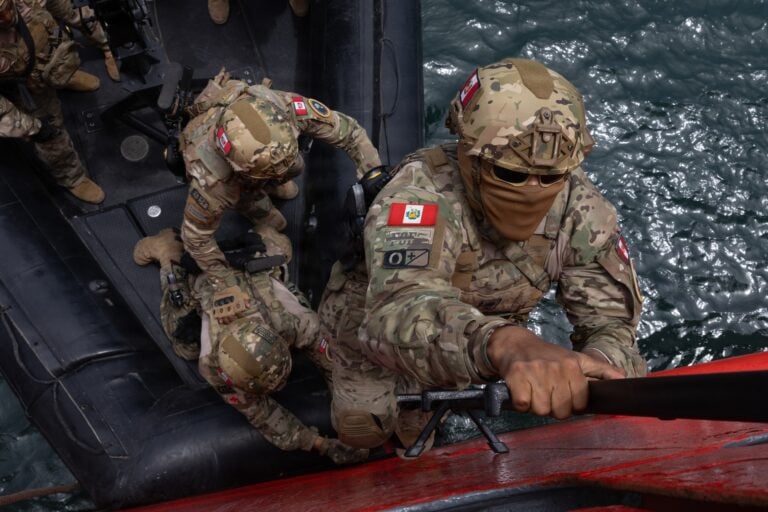
UNITAS 2026: Partner Nations, US Build Bonds, Strengthen Regional Security
Through hazy skies, choppy water and jungle terrain, 24 nations worked together to strengthen security and stability in the Western Hemisphere during the 67th iteration of UNITAS in Lima, Peru, September 10-23. The world's longest-running annual multinational maritime exercise, UNITAS 2026 featured more than 5,000 personnel working together to increase interoperability through maritime, amphibious, and multinational operations. “This exercise is…