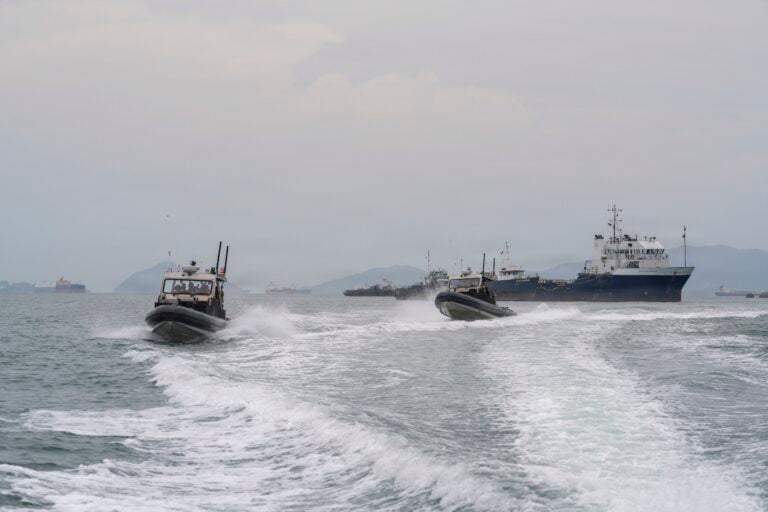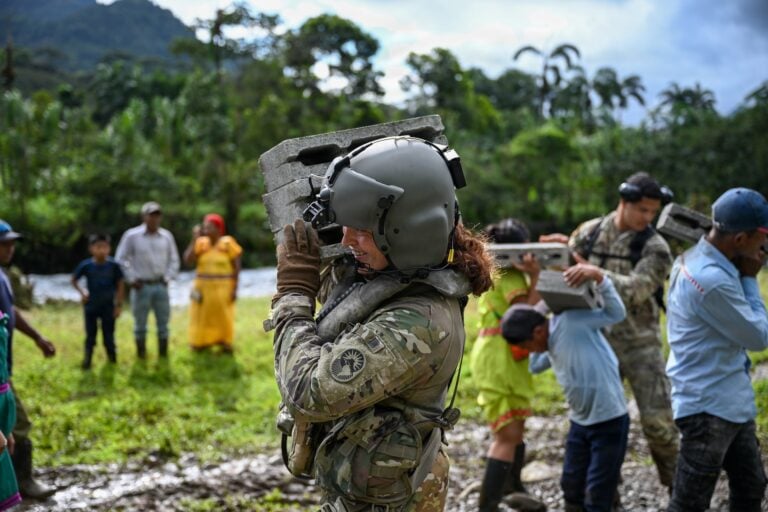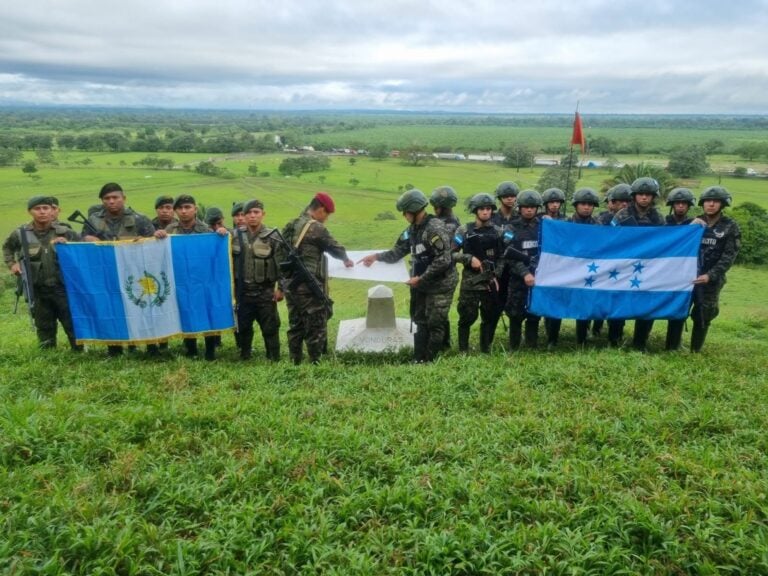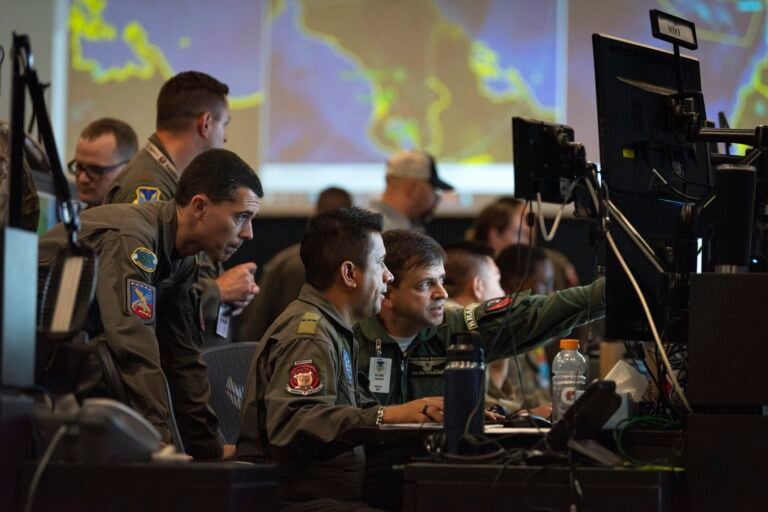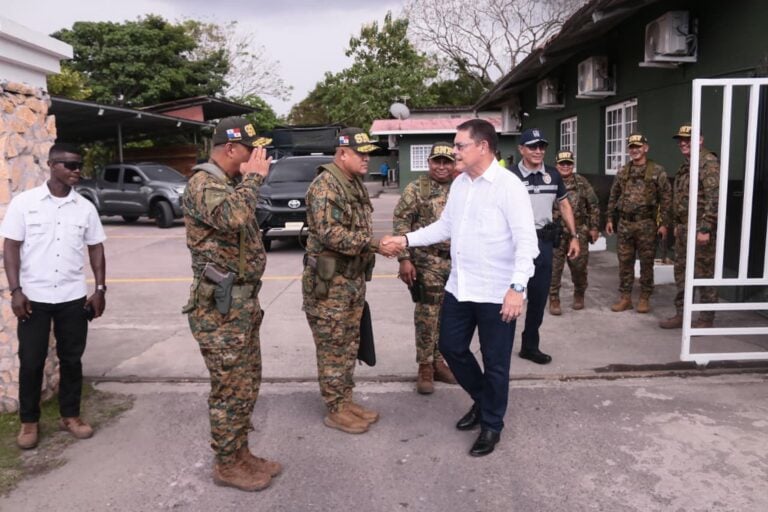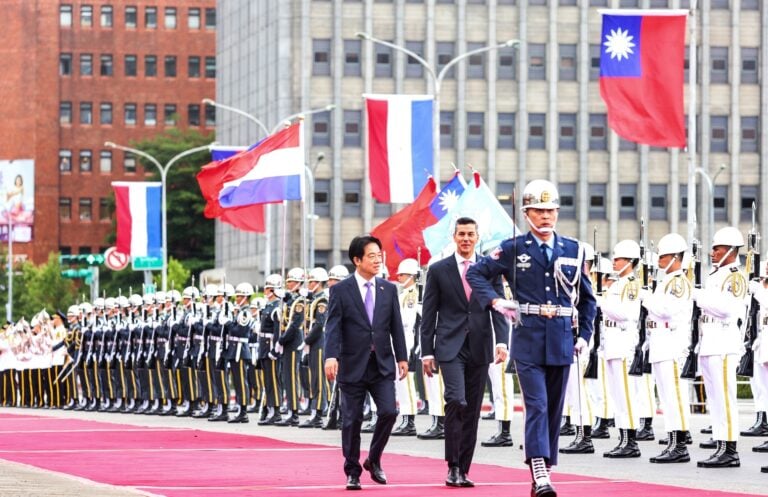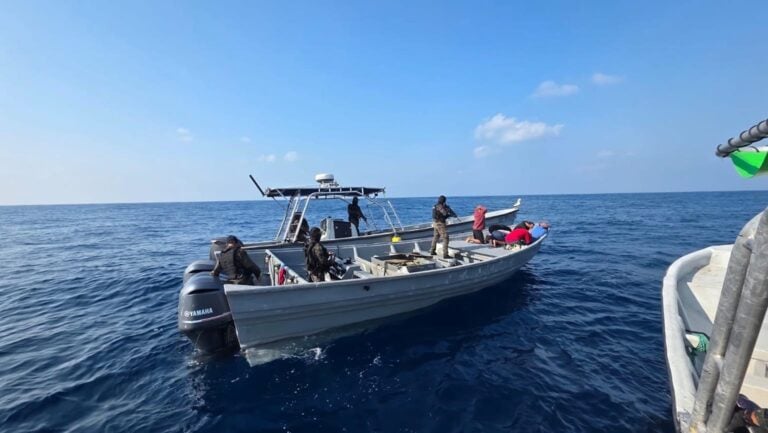
Cooperation between Honduras and the United States against transnational criminal organizations is increasingly focused on operational coordination, intelligence sharing, and maritime security as authorities confront evolving drug trafficking networks in Central America. Recent meetings and joint initiatives reflect a broader regional effort to strengthen the fight against organized crime, particularly as trafficking routes, criminal structures, and illicit economies continue to…
Browsing: Central America
China Strengthens Its Strategic Influence in El Salvador’s Energy Sector
El Salvador has taken a significant step toward the development of renewable energy by signing a contract with the Chinese state-owned company PowerChina for the construction of a 30 MW photovoltaic project in the municipality of Conchagua, La Unión department. The agreement marks China’s official entry into El Salvador’s renewable energy sector, expanding Beijing’s presence into another strategic area of…
Confucius Institutes: Beijing’s Academic Influence Network
Across Latin America, Confucius Institutes present themselves as centers for Chinese language instruction and cultural exchange, offering Mandarin courses and traditional arts programs that have attracted students and universities throughout the region. Yet analysts argue these institutes serve a broader strategic purpose: helping Beijing cultivate long-term influence over academic institutions, future decision-makers, and research ecosystems that increasingly intersect with national…
Organized Crime as a Strategic Threat to Democratic Governance in the Hemisphere
Organized crime has evolved from a public security challenge into a strategic threat to democratic governance in Latin America and the Caribbean. Driven by increasingly lucrative illicit markets, criminal organizations have expanded their influence over territories, economies, and institutions, eroding state authority and weakening democracies’ ability to respond. Such is the warning issued by Laura Chinchilla, former president of Costa…
‘Legal Fast’: A New Strategy Against Organized Crime Between Europe and Latin America
As transnational criminal organizations continue adapting their trafficking methods across the Atlantic, authorities from Latin America and Europe are seeking to strengthen not only interdiction efforts, but also the investigations that follow major drug seizures. Against this backdrop, the United Nations Office on Drugs and Crime (UNODC), together with Belgian partners and countries from Latin America and the Caribbean, launched…
PANAMAX: A Panama-Led Effort to Strengthen Canal Security
The Panama Canal remains one of the country’s most strategic assets, supporting Panama’s economy while serving as a critical artery for global trade. As transnational threats increasingly affect maritime routes, logistics systems, and critical infrastructure across the hemisphere, Panama continues strengthening its capacity to protect the Canal and the systems that depend on it through PANAMAX, the multinational exercise led…
How Regional ISR Integration Strengthens Countercrime Operations in Central America
Intelligence, surveillance, and reconnaissance (ISR) capabilities, strengthened through regional cooperation and support from strategic partners, are increasingly shaping how Central American countries detect, track, and respond to transnational criminal activity. Across the region, the integration of advanced monitoring technologies, information-sharing systems, and multinational coordination is improving authorities’ ability to monitor illicit activity across air, maritime, and border corridors frequently exploited…
US Service Members Provide Care to Azuero Panama in Collaboration with Juntos por la Salud
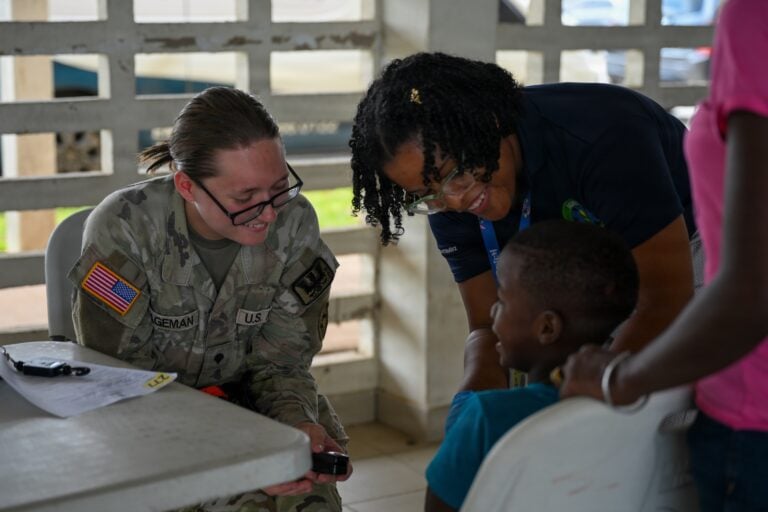
A team of U.S. service members conducted a three-day humanitarian mission to Azuero, May 19-21, providing medical care to local communities across the Panamanian province. The mission aimed to improve access to health care for remote communities while giving U.S. personnel valuable experience operating in isolated environments. “The Panamanian government selected the Azuero Peninsula due to its remote communities in…
Guatemala Strengthens Fentanyl Detection Through K-9 Capabilities
As synthetic drug trafficking expands across the hemisphere, Guatemala is strengthening its ability to detect fentanyl through specialized K-9 training — part of a broader effort to address emerging supply chains that increasingly involve precursor flows through Central America. The initiative reflects a growing regional emphasis on early detection and interdiction, as security forces adapt to a drug that has…
CENTAM SMOKE, Building Lifesaving Partnerships
Joint Task Force-Bravo (JTF-B), in coordination with the 612th Air Base Squadron (ABS), successfully concluded yet another iteration of Central America Sharing Mutual Operation Knowledge and Experiences (CENTAM SMOKE), a multinational firefighting exercise that brought together U.S. forces and partner nation firefighters and military members from across Central America and the Caribbean to Soto Cano Air Base, Honduras, in early…
Lessons from Maritime Interdictions: What Recent Cases Revealed About Illicit Shipping Networks
Recent maritime interdictions in the Caribbean and Atlantic are providing new insight into how illicit shipping networks operate across the hemisphere. Beyond the vessels themselves, recent cases have revealed complex systems of intermediaries, shell companies, changing registries, deceptive routing practices, and covert logistics structures designed to conceal responsibility and complicate enforcement efforts. The findings are reshaping how maritime authorities understand…
ILEA San Salvador: Building the Networks Behind the Fight Against Organized Crime
As transnational criminal organizations grow more adaptive, technologically sophisticated, and interconnected, countries across Latin America and the Caribbean face a common challenge: how to respond in a coordinated and effective way. Increasingly, that response depends not only on national capabilities, but also on the ability to work across borders, share intelligence, and apply common investigative approaches. At the center of…