
An armed attack in late May 2026 in San José Las Lágrimas, in Guatemala’ Chiquimula department, renewed attention on security along the Guatemala-Honduras border and the risk that criminal organizations with a longstanding presence in the area could exploit uncontrolled crossings to sustain their operations.
A convoy of about 20 vehicles entered the area and forced residents to flee. Intelligence from Guatemala’s Ministry of National Defense attributed the incursion to the Lorenzana family organization, which allegedly sought to control clandestine crossings used for illicit activities, including drug and livestock trafficking. Defense Minister Major General Henry Sáenz later said the main preliminary hypothesis was that the attack stemmed from a land dispute and that it was up to the authorities to determine the cause.
Originally from Zacapa, the Lorenzana network coordinated the transportation and storage of cocaine shipments from South America for decades, moving them north toward Mexico and North America.
The organization suffered major setbacks with the capture, extradition, and conviction in the United States of Waldemar Lorenzana Lima and several members of his family. However, Guatemalan and U.S. authorities continue to investigate the activities of a new generation of the organization led by Haroldo Waldemar Lorenzana Terraza, alias Haroldito.
Beyond the leadership
Neutralizing the leadership of a criminal organization does not necessarily eliminate its capabilities on the ground. In family-based organizations with deep generational roots, territorial relationships, connections with transporters, and logistical infrastructure can survive the prosecution of their leaders.
The U.S. Department of Justice identifies Lorenzana Terraza as the leader of the organization. He remains a fugitive, and the State Department is offering a reward of up to $5 million for information leading to his arrest or conviction.
“These are hierarchical structures that, when decapitated, are taken over by someone else,” retired Guatemalan Army Colonel Francisco Girón Mendizabal, an expert in defense and security, told Diálogo. “Extradition affects them temporarily because the flow of operations is disrupted, but it is reestablished because their replacements are already in place.”
New leadership can restore the organization’s coordination after a period of disruption. “The impact is a matter of time and efficiency. Once the mechanisms for drug trafficking are reestablished, their activities will return to normal,” Col. Girón explained.
Border pressure
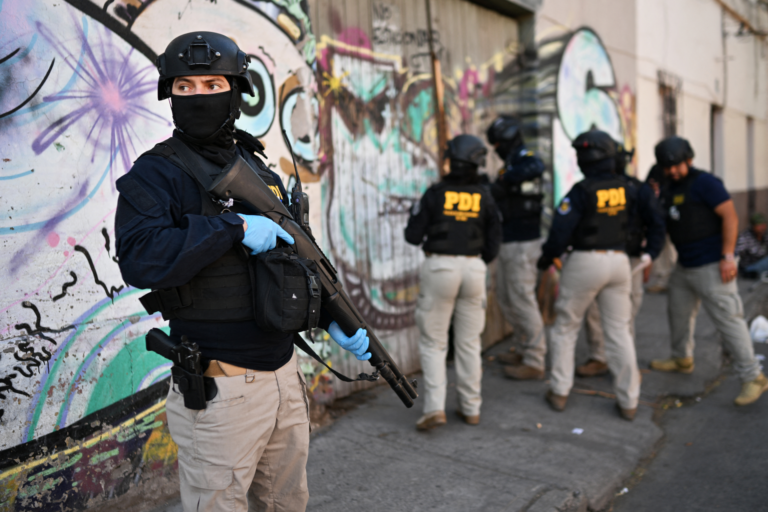
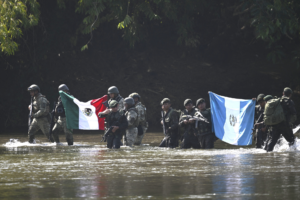
Guatemala and Honduras maintain military coordination mechanisms to respond to threats along their shared border. “The goal is to generate intelligence and establish strategic blockades that prevent these armed groups from establishing a foothold and controlling clandestine crossings,” Col. Girón said. According to the expert, the network is active in Guatemala and Honduras and operates in the Caribbean through airstrips and maritime routes.
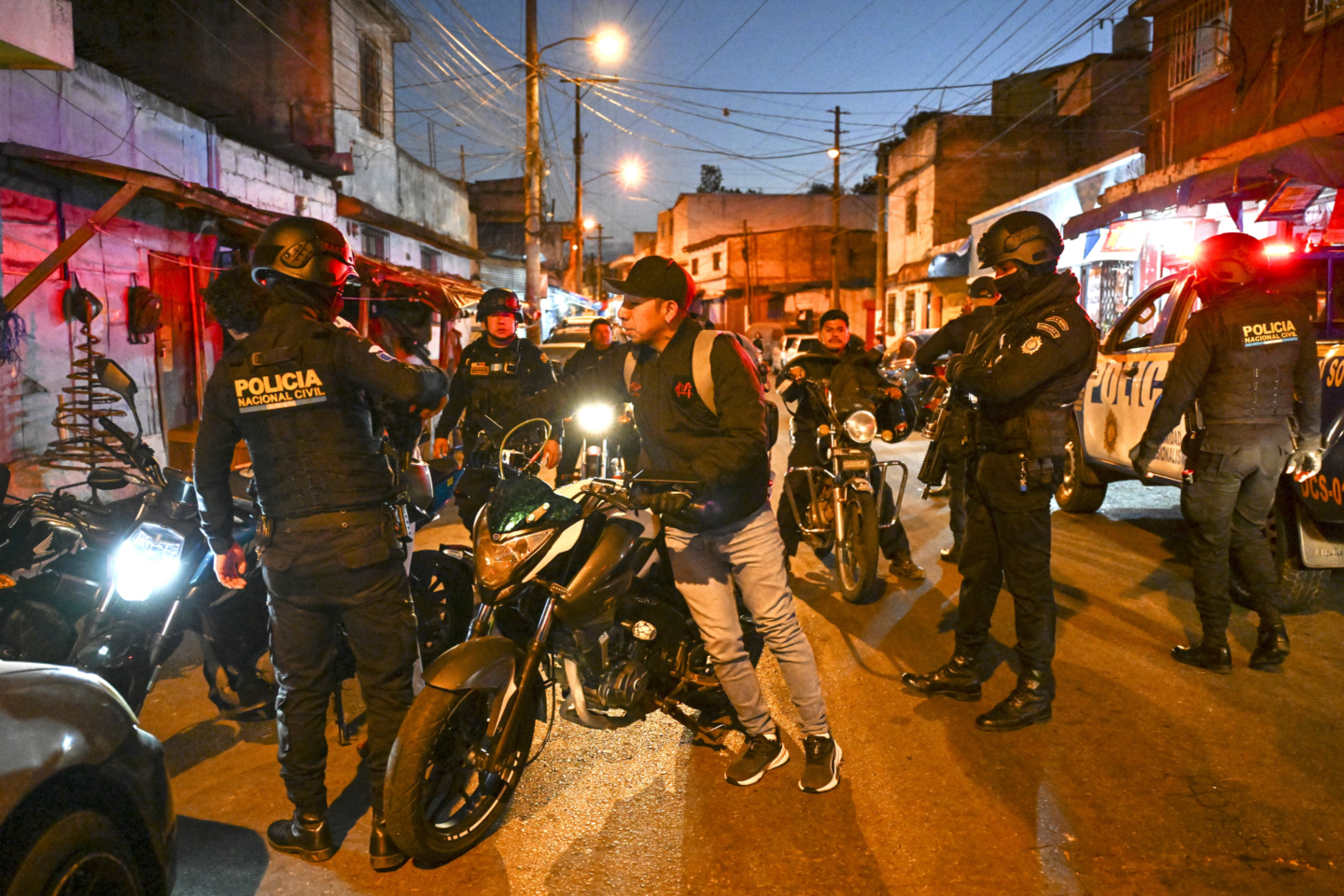
Following the May incident, Guatemala reinforced its military presence along the border in Chiquimula, while authorities from both countries agreed to strengthen joint operations to prevent criminal organizations from expanding their presence in border areas.
These efforts also draw on existing regional mechanisms. In August, military commanders from Guatemala, Honduras, and El Salvador met in Chiquimula under the framework of the Central American and Caribbean Armed Forces Conference (CFAC) to strengthen intelligence sharing, combined efforts, and the assessment of common risks in border areas.
“Operation Ring of Fire [Cinturón de Fuego] was already in place, mainly in the west, along the extremely porous 900-kilometer border with Mexico,” Col. Girón recalled. “The Army is also deploying to departments bordering Honduras with foot patrols and Pit-bull vehicles.”
For Col. Girón, preventing a criminal organization from rebuilding requires complementing pressure on the ground with financial and asset investigations aimed at identifying accounts, properties, and other assets used to sustain its operations. Such measures can restrict the ability of emerging leaders to operate and disrupt the networks that enable illicit activities to continue.
Regional cooperation
Coordination between Guatemala and its neighbors seeks to reduce the gaps criminal organizations exploit when moving across jurisdictions. CFAC mechanisms allow the region’s armed forces to share intelligence, coordinate border activities, and strengthen their ability to respond to common threats.
Guatemala’s bilateral relationship with the United States complements this regional cooperation. U.S. Southern Command (SOUTHCOM) works with Guatemalan forces on defense cooperation and capacity building to counter criminal organizations, while justice authorities from both countries have collaborated for years on investigations and extraditions involving the Lorenzana organization.
“U.S. Southern Command is not here to replace our capabilities to combat these structures, but to complement and enhance them,” Col. Girón emphasized. “This will give us greater response capacity to prevent structures like the Lorenzanas from regenerating.”
The Lorenzana case illustrates why capturing the top leaders of a criminal organization does not necessarily eliminate the networks that sustain its operations. As long as successors, trafficking routes, cross-border connections, and financial resources remain, these organizations can retain the ability to rebuild.
That is why arrests and extraditions are part of a broader strategy that also seeks to disrupt the routes, logistical networks, financial assets, and cross-border connections that allow an organization to reconstitute itself. The ability of Guatemala and its neighbors to sustain shared border intelligence, asset-based pressure, and coordinated operations will be key to preventing deeply rooted criminal organizations from regaining operational space after their leaders are removed.