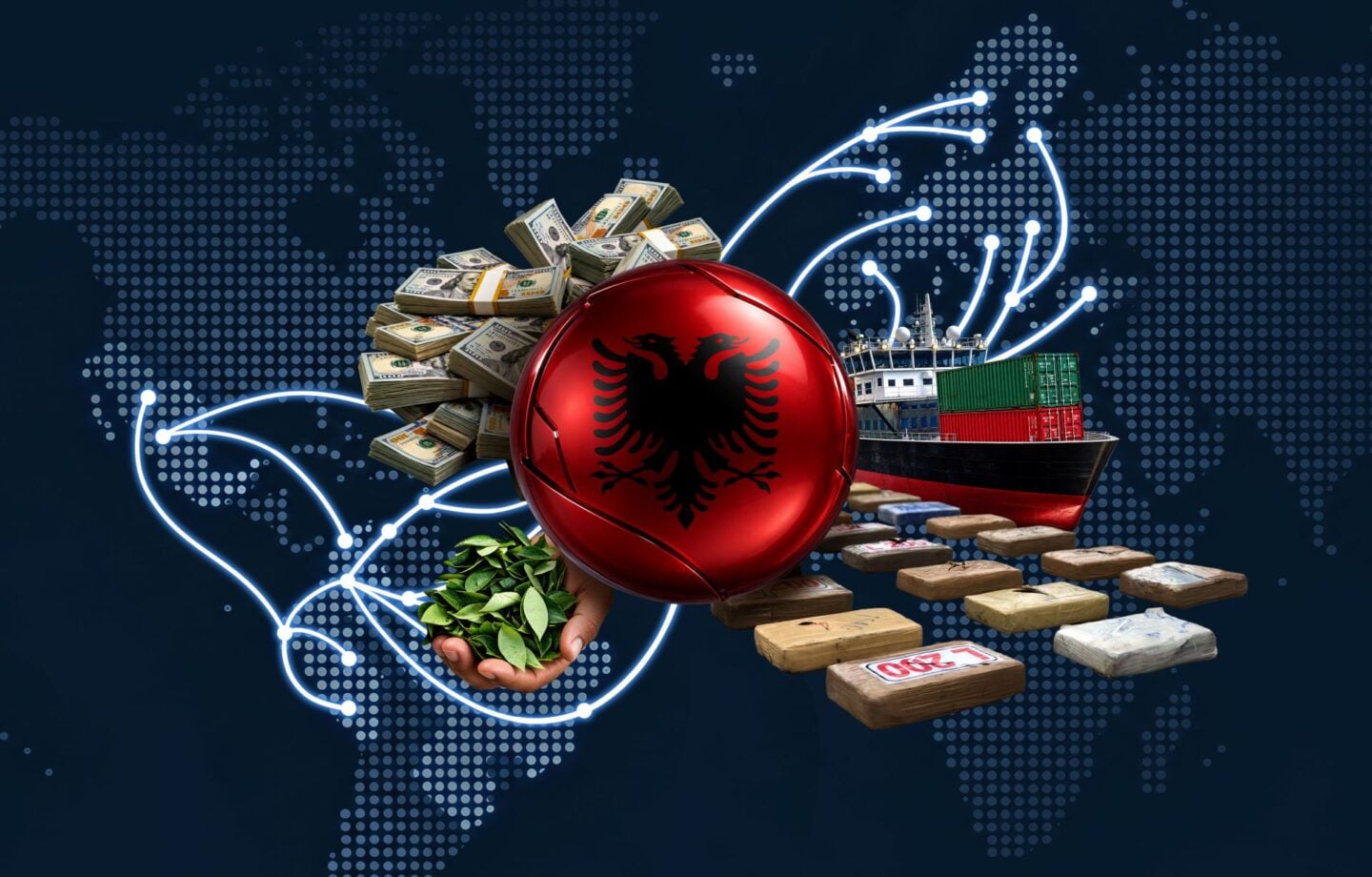

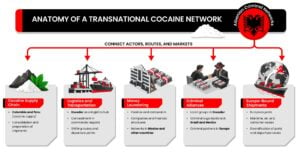
For more than a decade, Albanian criminal networks have steadily expanded their presence in Latin America, making the region increasingly important to their transnational operations. While they initially operated largely as intermediaries between South American suppliers and European criminal organizations, including Italy’s ’Ndrangheta, they have since taken on a more direct role across the cocaine supply chain, from sourcing and transportation to distribution, and money laundering.
“Unlike, for example, the major Mexican cartels, Albanian organized crime does not rely on large numbers of operatives or visible territorial violence. Because Albania is a small country with a limited population, these networks send only a small number of people to Latin America,” Albanian journalist Fatjona Mejdini, director of the Global Initiative Against Transnational Organized Crime’s (GI-TOC) Observatory of Illicit Economies in South Eastern Europe, told Diálogo. Their limited physical presence is also deliberate: A small number of key operatives can coordinate transnational networks while minimizing both their exposure to authorities and operating costs.
Ecuador has long served as a major hub for these networks in Latin America, but their reach has expanded across the cocaine supply chain in recent years, from coca growers in Peru and producers in Colombia to Brazilian criminal organizations such as the First Capital Command (PCC) and the Red Command (CV). Albanian networks have also forged ties with Mexican criminal organizations, including networks involved in money laundering.
According to the European Union Drugs Agency (EUDA), this ability to connect different actors and segments of the supply chain has enabled some of these networks to adopt an end-to-end model, linking cocaine supplies in South America to retail distribution in Europe. Rather than directly controlling every stage, they connect suppliers, transporters, intermediaries, port operators, and distributors through flexible arrangements.
“They operate as fully independent entities, pursuing their own interests, routes, and business arrangements. They act as autonomous partners rather than subordinate extensions of Latin American cartels,” Mejdini said.
This structure also allows these networks to quickly adapt their routes in response to changing opportunities and risks. One recent example was the September 14 seizure of 41.35 kilograms of cocaine from Brazil at the Albanian port of Durrës. For authorities, this flexibility presents a growing challenge, as criminal networks can rapidly switch partners, routes, and departure points without relying on a fixed hierarchical structure.
 Ecuador, a gateway for cocaine to Europe
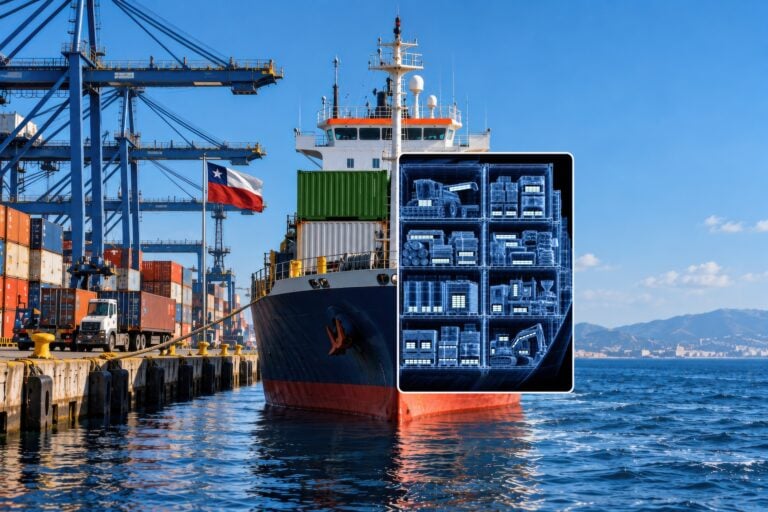
Ecuador emerged as a strategic hub because of its location between Colombia and Peru, the world’s main cocaine-producing countries, and its large commercial ports, where cocaine can be concealed in legitimate export shipments. The expansion of Albanian networks was also aided by a growing cocaine supply, the fragmentation of trafficking networks following the demobilization of the Revolutionary Armed Forces of Colombia (FARC), and their ability to forge alliances with local criminal groups without directly competing for territorial control. Ecuador’s visa exemption policy, introduced in 2008 and maintained for Albanian citizens until September 2022, also made it easier for Albanian criminals, sometimes traveling under false identities to enter the country.
Ecuador evolved from primarily a transit country into a major logistics hub where criminal organizations purchase, store, conceal, and ship cocaine. Albanian networks have relied on local groups such as Los Lobos and Los Choneros for security, transportation, and logistics, while providing access to European markets in return.
“Beyond conventional supply agreements, Ecuadorian gangs have established profit-sharing partnerships with their Albanian counterparts. Under these arrangements, Albanian networks agree to sell part of a particular cocaine shipment directly in European markets on behalf of the Ecuadorians, at a favorable price,” Mejdini said. Direct access to the European market allows Ecuadorian groups to generate significantly higher profits.
Albanian networks have built a reputation among criminal partners for reliability, particularly for paying on time, helping them forge alliances with local operators and gain access to existing commercial infrastructure. One example is the port of Manta, in Manabí province, where a tuna-exporting company was allegedly used between 2020 and 2025 by criminal networks from the Balkans — the southeastern European region that includes Albania — to ship approximately 11 metric tons of cocaine to Europe, leveraging the company’s facilities, transportation networks, and inside information.
According to researcher Luis Córdova Alarcón, director of the Order, Conflict, and Violence program at the Central University of Ecuador, Albanian organizations have also developed “highly sophisticated commercial structures” that allow them to conceal drug trafficking within legitimate export and transportation businesses, including in the banana, fishing, and logistics sectors.
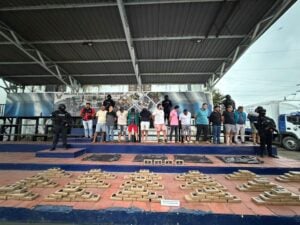
More recent investigations point to the same pattern. In July, Ecuadorian police arrested 18 people accused of belonging to a network linked to Albanian and Polish criminal organizations. According to investigators, the group had been moving cocaine from the Colombian border to storage sites in Ecuador since 2019, before concealing it in shipments of bananas, coffee, cocoa, and other products bound for Europe.
Expansion across the region
The expansion of Albanian criminal networks in Latin America reflects a flexible, modular operating model. From sourcing cocaine and shipping it to Europe to laundering the proceeds, these networks bring together different capabilities, intermediaries, and infrastructure depending on the needs of each operation.
In Brazil, the case of Ervin Mata illustrates how encrypted communications can help coordinate operators in South American with criminal networks in Europe. Mata was arrested in April in Ilhabela, São Paulo state, at the request of Albanian authorities, he has been linked to four major drug seizures, including 446 kg of cocaine in the Netherlands and 69 kg in Brazil, and is also suspected of plotting murders in Albania. Investigators say communications over the encrypted Sky ECC platform allowed criminal activities to be coordinated across different stages of the supply chain. Albania requested his extradition from Brazil.
In Paraguay, Albanian national Franc Çopja negotiated large drug shipments through a network of associates that included businessman Diego Isaac Benítez Cañete, a former official of the Olimpia soccer club. Çopja also allegedly maintained ties with Uruguayan drug trafficker Sebastián Marset. A company linked to Benítez was connected to the 2021 seizure in Hamburg of 16.174 metric tons of cocaine concealed in paint cans and construction materials. According to Albanian investigators, the organization was responsible for trafficking some 28 metric tons of cocaine in 2020, about 17 metric tons of which were seized in shipments from Paraguay to the ports of Hamburg and Antwerp. The involvement of Albanian and South American operators, as well as an Iranian national, illustrates how these networks bring together individuals of different nationalities to perform different roles across their operations.
In Chile, the case of Viktor Gjini, an Albanian national born in Kosovo, illustrates how these networks are exploring new routes to Europe. In 2023, Gjini sought to use the ports of San Antonio or Valparaíso to ship cocaine to Rotterdam. The operation ended with the seizure of nearly 98 kg of drugs and Gjini’s arrest.
Managing illicit proceeds is another key part of this criminal model. In November 2025, the U.S. Department of the Treasury sanctioned the Hysa Organized Crime Group (HOCG), an Albanian transnational criminal organization operating in Mexico and also known as the ISA criminal group. The Treasury accused the group of using casinos and restaurants, among other businesses, to launder drug trafficking proceeds. According to the Treasury’s Office of Foreign Assets Control (OFAC), the group is believed to “operate with the consent of the Sinaloa Cartel.”
In Europe, Albanian networks maintain operational ties with organizations such as the ’Ndrangheta and the Mocro Mafia. “Their cooperation is strictly project-based and occurs on a case-by-case basis,” Mejdini said. This allows different groups to handle specific stages of an operation — from receiving and retrieving cocaine to distributing or selling it — without forming permanent alliances.
Cooperation
The transnational reach of these networks requires close coordination among producing, transit, and destination countries. Intelligence sharing, parallel financial investigations, and coordinated access to data on shipments, companies, and intermediaries can help authorities trace connections that span multiple jurisdictions.
In Europe, Albania has cooperated with Eurojust, the European Union Agency for Criminal Justice Cooperation, since 2018 and has had a liaison prosecutor at the agency since 2021. In April 2026, Eurojust also supported the first joint investigation teams (JITs) between Albania and Colombia. Although the two JITs focused on human trafficking, they show how direct channels of judicial cooperation can be established between Latin America and the Balkans. “Disrupting and dismantling these activities requires comprehensive and coordinated cross-border cooperation,” Mejdini said.
In this context, the Americas Counter-Cartel Coalition (A3C), established in March 2026, provides an additional mechanism for strengthening regional coordination against criminal networks operating across borders. Through intelligence sharing, joint planning, and coordinated action against transnational criminal organizations, the coalition brings together participating countries’ capabilities to identify and disrupt networks that extend national boundaries. Such coordination can help authorities identify routes, intermediaries, companies, and infrastructure used by Albanian networks and other criminal actors, while generating information that can support broader international investigations.
The Albanian network model also points to where investigations can have the greatest impact. Looking beyond an individual seizure requires linking container and maritime-route data with information on export companies, logistics operators, encrypted communications, financial transactions, and local intermediaries. Connecting these elements across borders can help authorities identify not only those moving the drugs, but also the infrastructure and facilitators that keep the network operating.
A seizure, an investigation into a company, or the identification of an intermediary in Latin America can therefore provide leads for financial and judicial investigations in Europe, helping authorities trace a criminal network beyond a single shipment or jurisdiction.