

Over the last decade, Balkan criminal organizations have dramatically expanded their footprint in Ecuador. Exploiting a long-standing visa liberalization policy introduced in 2008, which remained in effect until 2020, these syndicates have played a key role in transforming Ecuador into an international drug trafficking hub. By facilitating the coordination of other criminal organizations and streamlining logistics, they have not only accelerated global cocaine flow but also fueled a sharp rise in domestic violence.
A strategic hub for global trafficking
Ecuador’s geography and established logistics infrastructure have been systematically exploited by transnational criminal organizations. “For these criminal groups, the country is a key hub for cocaine shipments thanks to its location between Colombia and Peru, which are major producers, while its main port, Guayaquil, plays a crucial role as a departure point for large quantities of cocaine,” Sasa Djordjevic, senior analyst at the Global Initiative Against Transnational Organized Crime (GI-TOC), a think tank based in Geneva, Switzerland, told Diálogo.
Ecuador’s dollarized economy, high cash circulation, and limited banking penetration have also facilitated large-scale money laundering.
In an early 2025 interview with TC Televisión, President Daniel Noboa noted that some $30 billion is laundered annually in Ecuador, representing roughly 26 percent of the national Gross Domestic Product (GDP).
The logistics of cocaine
According to a report from the World Customs Organization (WCO), 30 percent of the cocaine detected in shipping containers worldwide was found within cargo whose declared port of loading was in Ecuador.
“The main routes are maritime, and therefore the country’s ports are essential for facilitating the transport of cocaine hidden in commercial shipments bound for Europe, either directly or via West Africa,” says Djordjevic.
This trade also extends across the Pacific. The Galapagos Islands nature reserve has emerged as a maritime “gas station.” This vulnerability allows trafficking vessels to refuel with diesel on the high seas, presenting a significant challenge to regional maritime security, necessitating a unified, multilateral response.
The banana front
According to Djordjevic, in recent years Balkan mafias have increasingly infiltrated the legal economy, investing in export firms, specifically those dealing in fish, shrimp, and bananas. These sectors are used both to conceal cocaine shipments and to launder the proceeds of the trade.
As the world’s leading banana exporter, exporting over 364 million boxes of bananas in 2024, Ecuador’s high-volume commercial flows provide a vast landscape for criminal exploitation. Since 2023, the National Police have identified more than 50 banana export companies with suspected ties to Balkan syndicates. A prominent figure in this sector was Albanian Arbër Çekaj, arrested in Germany in 2018, who between 2015 and 2018 used his export business to move some 3,000 tons of bananas to conceal multi-ton cocaine shipments.
Drug production
While Ecuador remains primarily a logistics hub, Balkan mafias’ control of drug trafficking routes, and their alliance with the powerful Italian ‘Ndrangheta, place them among the most influential players in narcotrafficking, capable of facilitating and potentially financing future cocaine production in the country.
“Ecuador is essential as a base for the storage and, occasionally, processing of cocaine,” Djordjevic says.
In 2024, an estimated 60 tons of coca were produced in Ecuador, concentrated primarily in the border provinces of Carchi and Sucumbíos, where Colombian armed groups, particularly dissidents of the Revolutionary Armed Forces of Colombia (FARC), operate.
Furthermore, a recent report by the Ecuadorian Observatory on Organized Crime warned that the synthetic drug MDMA (ecstasy) could soon be produced domestically. The abundance of the Congona plant, which contains 27.6 percent safrole (a key MDMA precursor), provides “natural access that could replace imports and facilitate the future complete synthesis of the drug in the country,” the report indicates.
Corruption and institutional threat
Balkan strategy relies on alliances with local gangs — such as the designated terrorist organization Los Choneros — to obtain protection and access to the market. This is coupled with the systemic corruption and intimidation of institutions. By contributing to the financial “oxygen” for these groups, Balkan syndicates directly fuel regional destabilization and the rise of narco-terrorism.
The case of Serbian drug trafficker Jezdimir Srdan is emblematic. Arrested in 2024 as part of the investigation into the “Euro 24” operation, Srdan was sentenced to 10 years in prison for laundering $4.3 million. However, the anti-corruption judge who delivered the sentence in late 2025, Juan Serrano, was subsequently forced to flee the country following a campaign of threats and intimidation.
Similarly, Albanian Dritan Rexhepi, nicknamed the “cocaine king,” managed international trafficking operations from inside the Litoral penitentiary through his alliance with Los Choneros. After escaping house arrest in January 2022, he was eventually captured in Turkey in 2023.
This operational expansion is reinforced by a long-standing transcontinental partnership between Balkan groups and the Italian ‘Ndrangheta. Within the global cocaine supply chain, these two organizations have formed a symbiotic “broker-distributor” relationship that facilitates bulk shipments from Latin America to Europe.
“The collaboration is generally based on individual operations, with joint shipments, logistics, and support in specific segments. Balkan groups tend to reinforce their access in the initial phase, while Italian partners remain key on the European side of the market,” says Djordjevic.
A unified response
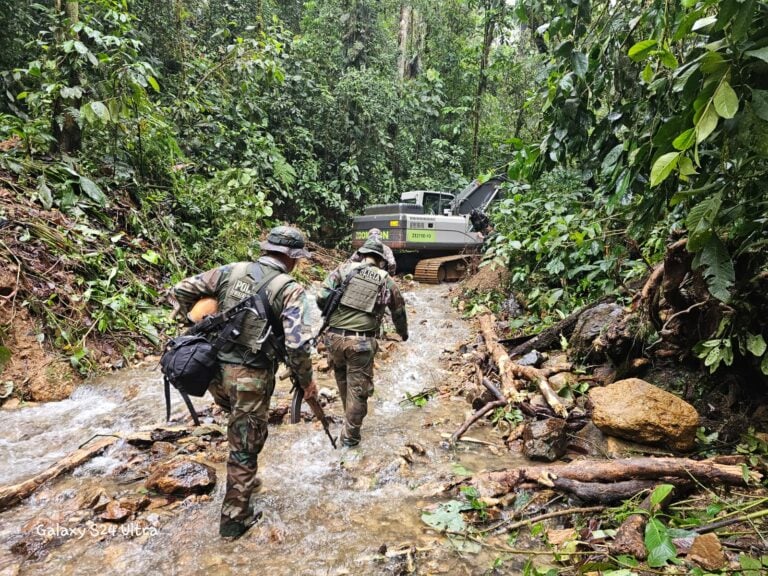
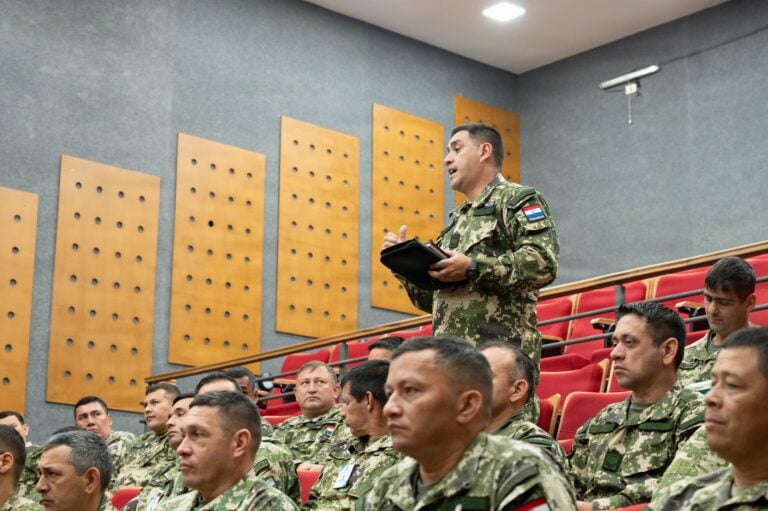
In response to these transcontinental threats, the Ecuadorian government has intensified its counter-offensive. Under President Noboa’s internal armed conflict declaration, the Ecuadorian Armed Forces and National Police have conducted massive operations to reclaim control of the country’s interior and maritime borders, including with the support of neighbors and the United States.
These efforts have yielded significant operational victories. In July 2025, a landmark joint operation resulted in the extradition of Adolfo “Fito” Macías, leader of Los Choneros, to the United States — the first such extradition of an Ecuadorian drug kingpin. Furthermore, the Euro 24 and Metastasis operations have successfully dismantled financial scaffolding of multiple Balkan-linked firms, freezing millions in illicit assets and removing dozens of corrupt officials. International cooperation remains a force multiplier, with enhanced maritime patrols and intelligence sharing dramatically increasing interception rates in the Pacific and Caribbean.
Regional security implications
The entry of Balkan groups — known in Europe for their ferocity — has contributed to triggering a transformation of Ecuador’s security landscape. In the last decade, at least six Albanian nationals have been murdered in the country in mafia-style hits.
This violence reached a breaking point in 2025. Criminal conflict caused more than 3,600 deaths last year alone — a 42 percent increase compared to the first 11 months of 2024, according to the Washington-based Armed Conflict Location and Event Data Project (ACLED), which monitors political violence and armed conflict.
With 71 percent of the population exposed to some form of violence in 2025, Balkan mafias, along with other criminal organizations active in Ecuador, have established themselves as a primary and serious threat to the country’s security. Because these networks operate across borders and oceans, the situation in Ecuador underscores the urgent need for deepened international cooperation and coordinated maritime operations to disrupt the transcontinental flow of narcotics and reclaim regional stability.