Persistent Vigilance: Maritime Enforcement Adapts to Evolving Threats at Sea

Persistent Vigilance: Maritime Enforcement Adapts to Evolving Threats at Sea

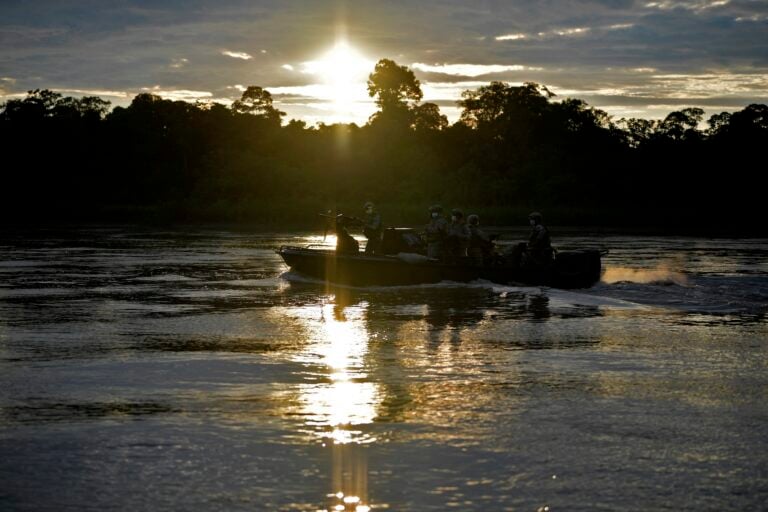
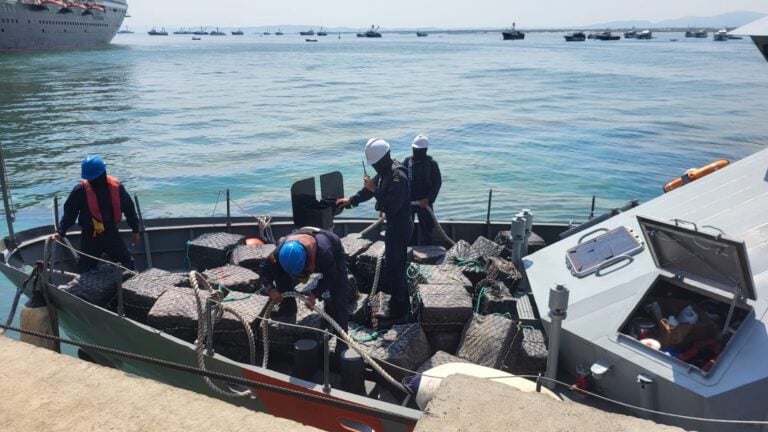
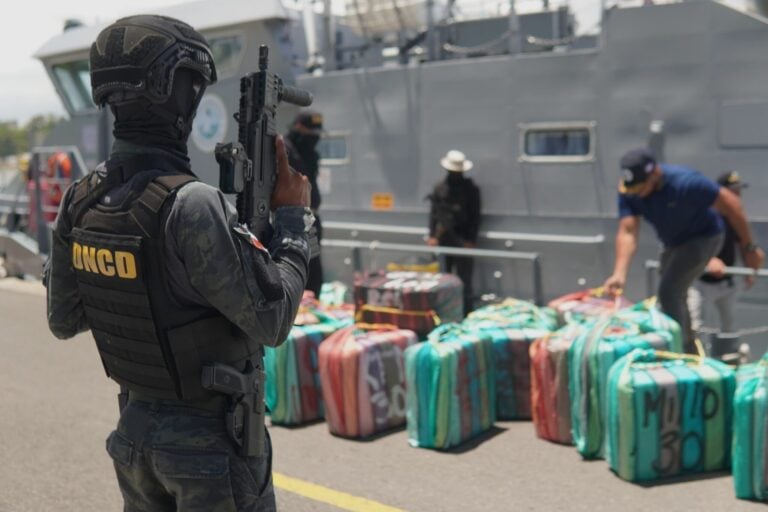
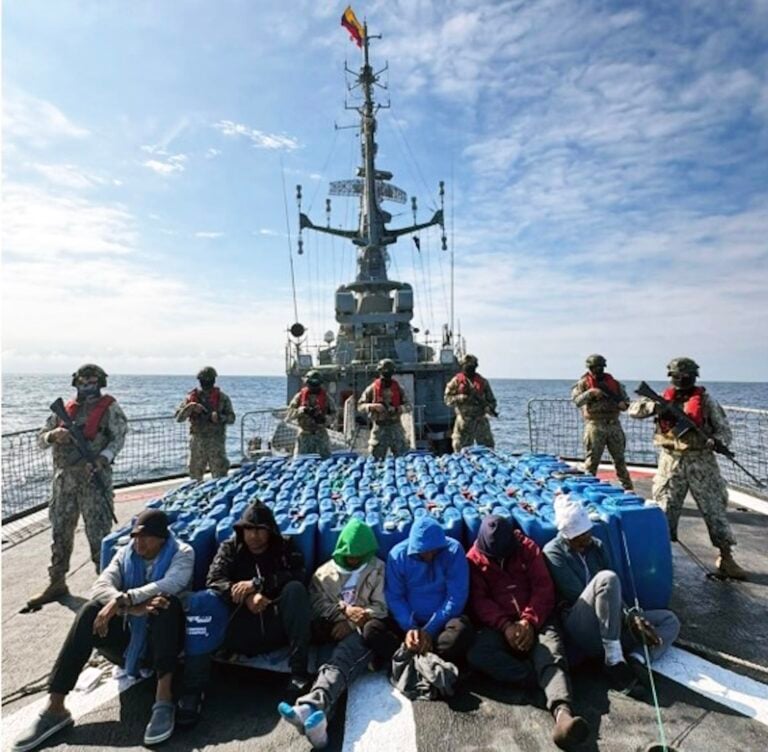
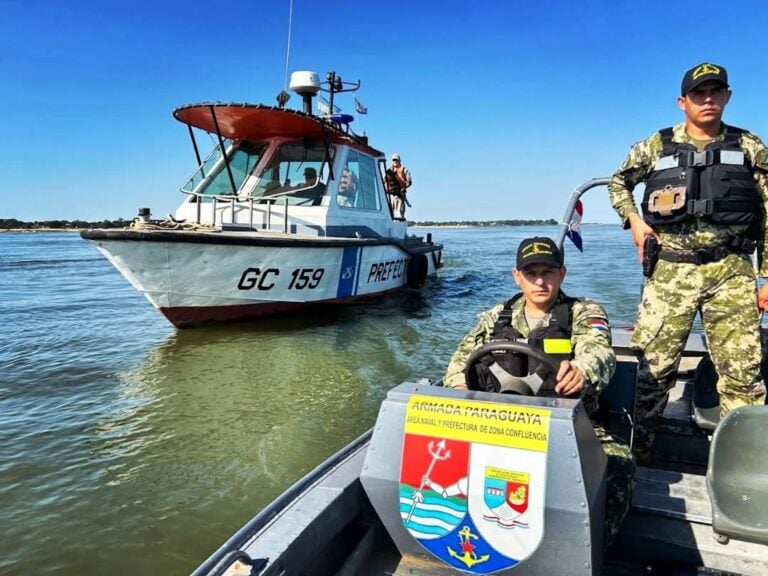
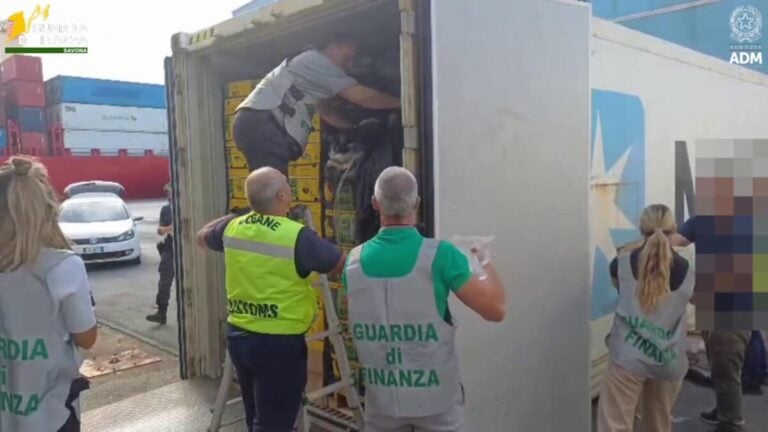
Maritime security forces across the Western Hemisphere are operating in an increasingly complex environment where illicit actors continuously adapt their methods to evade detection at sea. From narcotrafficking operations using decentralized logistics to deceptive maritime practices associated with sanctions-evasion vessels, authorities across the region are confronting maritime threats that are more dispersed, flexible, and difficult to identify than in previous…

Mexican Cartels’ Regional Networks Challenge Security Across Latin America

Mexican Cartels’ Regional Networks Challenge Security Across Latin America

The expansion of Mexican cartels across Latin America is no longer defined solely by the movement of drugs. Increasingly, organizations such as the Sinaloa Cartel and Jalisco New Generation Cartel (CJNG) are embedding themselves into regional criminal ecosystems through alliances, logistics networks, corruption, and control of strategic infrastructure, creating security challenges that extend far beyond narcotics trafficking. As such, the…

Radiological Security and Organized Crime: A New Challenge for the Hemisphere

Radiological Security and Organized Crime: A New Challenge for the Hemisphere

As Latin America expands the use of radiological materials in hospitals, research centers, agriculture, and energy infrastructure, radiological security is becoming an increasingly important component of the hemisphere’s security architecture. In an exclusive interview with Diálogo, Rafael Grossi, director general of the International Atomic Energy Agency (IAEA), warns that the possible diversion or illicit use of nuclear and radiological materials…

Haiti Enhances Operational Response with Gang Suppression Force

Haiti Enhances Operational Response with Gang Suppression Force

The deployment of the Gang Suppression Force (GSF) marks a shift in how security operations are conducted in Haiti, introducing a more robust, coordinated approach to confronting heavily armed gangs that control large areas of the country. Backed by international partners, the force is designed to operate with greater scale, mobility, and tactical capability than previous efforts. The GSF “represents…

Antigua and Barbuda Strengthens Maritime Security in the Eastern Caribbean

Antigua and Barbuda Strengthens Maritime Security in the Eastern Caribbean

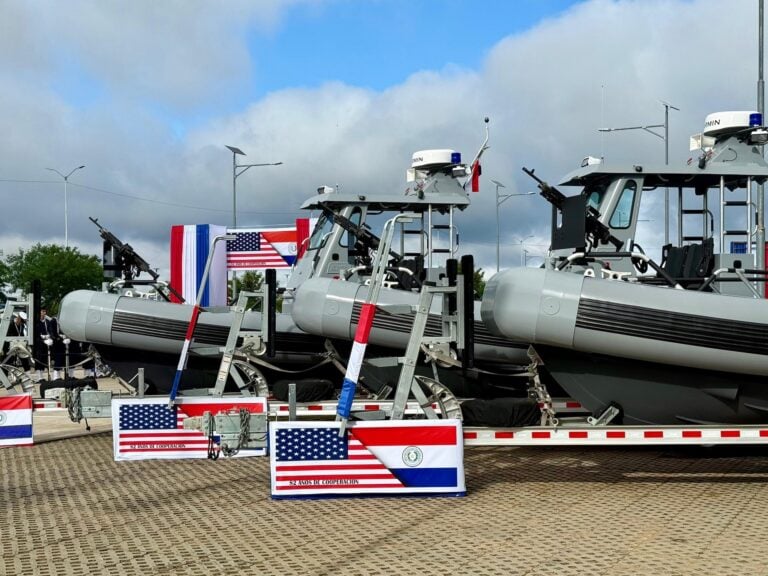
Security cooperation between Antigua and Barbuda and the United States is strengthening maritime interdiction and surveillance capabilities in the Eastern Caribbean, a region frequently used by drug trafficking networks. Supported by multinational exercises, technical assistance, and intelligence sharing, these efforts are enhancing the country’s operational readiness and deepening its integration into the regional security framework. Antigua and Barbuda, located along…

Cooperation and Integration Strengthen Jamaica’s Maritime Security

Cooperation and Integration Strengthen Jamaica’s Maritime Security

Jamaica’s approach to maritime security has become a key example of how interagency coordination, integrated capabilities, and cooperation with regional partners can strengthen responses to transnational organized crime in the Caribbean. This strategy combines intelligence sharing, maritime domain awareness, surveillance, and joint operational action to improve the detection and interdiction of illicit maritime activity. Maritime interdiction: A blow to drug…

Jalisco New Generation Cartel Expands Illegal Mercury Trafficking in South America

Jalisco New Generation Cartel Expands Illegal Mercury Trafficking in South America

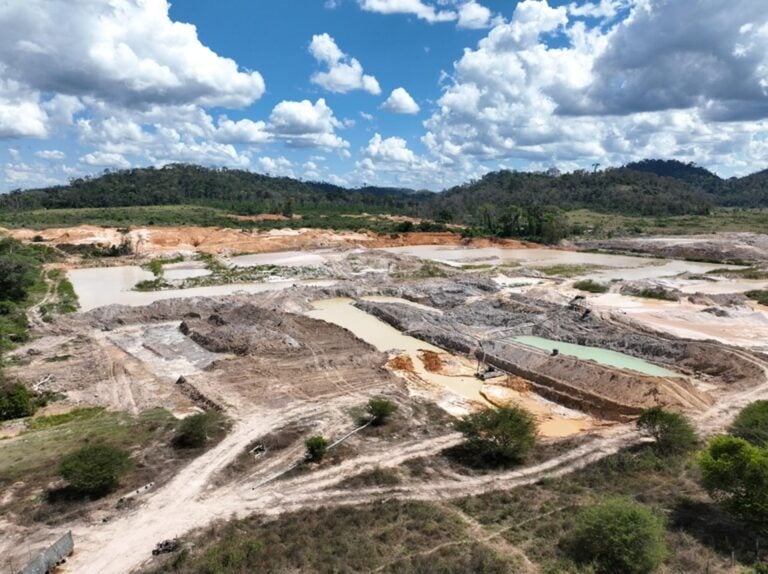
Illegal mercury trafficking is emerging as one of the newest and most lucrative criminal frontiers for the Jalisco New Generation Cartel (CJNG), which in recent years has expanded its activities far beyond drug trafficking. Mercury is essential for illegal gold extraction, used to separate the precious metal from soil and sediment in alarming proportions: on average, nearly 2.5 tons of…

Caribbean Trafficking Routes to Europe Drive New Security Challenges

Caribbean Trafficking Routes to Europe Drive New Security Challenges

The Caribbean has ceased to be merely a secondary route for drug trafficking to Europe and has become a strategic hub for transnational criminal networks, which increasingly exploit institutional weaknesses, security gaps, and the region’s geographic advantages to move cocaine across the Atlantic. As interdiction pressure intensifies, criminal organizations are adapting their operations through more flexible routes that connect South…

Pressure, Diversification, and Fragmentation Shape Ecuador’s Criminal Landscape

Pressure, Diversification, and Fragmentation Shape Ecuador’s Criminal Landscape

Ecuador’s criminal landscape continues to rapidly evolve, as a response to the Daniel Noboa administration’s military pressure campaign. This evolution is marked by an ongoing diversification and fragmentation of major criminal organizations and the proliferation of smaller armed groups and local gangs. The government response and criminal groups’ adaptation are increasing instability and driving a surge in violence across a…

Guatemala Strengthens Fentanyl Detection Through K-9 Capabilities

Guatemala Strengthens Fentanyl Detection Through K-9 Capabilities

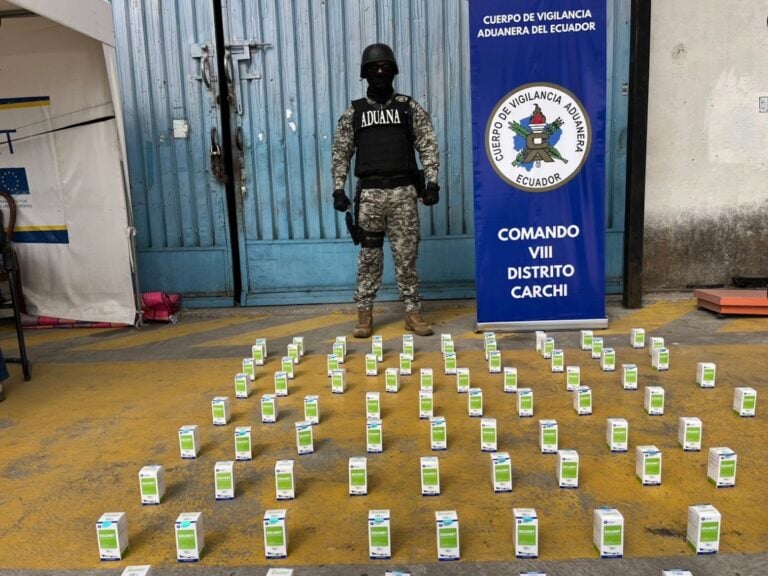
As synthetic drug trafficking expands across the hemisphere, Guatemala is strengthening its ability to detect fentanyl through specialized K-9 training — part of a broader effort to address emerging supply chains that increasingly involve precursor flows through Central America. The initiative reflects a growing regional emphasis on early detection and interdiction, as security forces adapt to a drug that has…

A New Chapter: Venezuela and Regional Cooperation Against Transnational Crime

A New Chapter: Venezuela and Regional Cooperation Against Transnational Crime

After years of frozen relations, the restoration of diplomatic ties between the United States and Venezuela marks a significant turning point for regional security dynamics. The reopening of dialogue comes after the arrest of Nicolás Maduro in January 2026 and the installation of an interim government. This new context has opened opportunities for more structured cooperation in the fight against…

Ecuador Strengthens Strategy and Mobilizes Citizens Against Transnational Threat

Ecuador Strengthens Strategy and Mobilizes Citizens Against Transnational Threat

Recent actions by Ecuadorian authorities involving foreign nationals identified as potential security concerns reflect a more preventive and proactive approach by the country toward increasingly complex transnational threats. Authorities have intensified efforts to counter risks related to organized crime, illicit financing, and international networks operating across the region. On March 25, 2026, Ecuadorian authorities arrested a Syrian citizen identified as…