
There is Nowhere to Hide: Joint Operation Tridente Chokes Off Narcoterrorism in the Eastern Pacific

There is Nowhere to Hide: Joint Operation Tridente Chokes Off Narcoterrorism in the Eastern Pacific

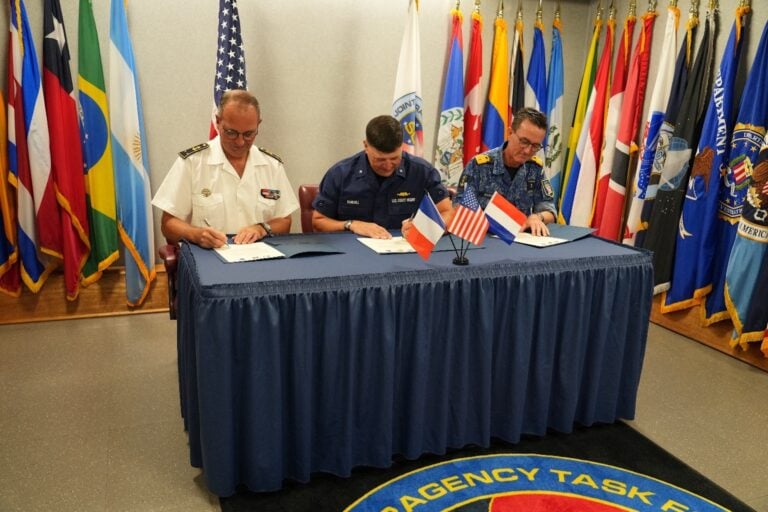
In a relentless demonstration of multinational capability, the United States and Colombia executed Operation Tridente (Trident) in April, targeting key maritime smuggling routes in the Eastern Pacific and reinforcing a clear message: Narcoterrorist networks can no longer rely on maritime borders to escape justice. Coordinated by U.S. Southern Command’s (SOUTHCOM) Joint Interagency Task Force South (JIATF-S) which brings together a…

How Organized Crime Is Reinventing Money Laundering in Latin America

How Organized Crime Is Reinventing Money Laundering in Latin America

Approximately $400 billion is laundered each year in Latin America through activities such as corruption, tax evasion, drug trafficking, human trafficking, and the use of shell companies. Although efforts to combat money laundering has improved over the years, progress remains uneven across the region. Countries collectively still rank below the global average according to the Basel 2025 Index, which measures…

Coordinated Operations and Regional Cooperation Drive Mexico’s Security Gains

Coordinated Operations and Regional Cooperation Drive Mexico’s Security Gains

The Mexican government has intensified efforts against transnational criminal organizations (TCOs) operating across the hemisphere. These actions include drug seizures along maritime routes, arrests of members of these groups, and expanded coordination with international partners. “This shift reflects an adjustment in security strategy observed since late 2025, focused on dismantling criminal structures through narcotics interdiction and the capture of leaders…

Bolivia’s Role in South America’s Drug Networks Deepens as Trafficking Dynamics Evolve

Bolivia’s Role in South America’s Drug Networks Deepens as Trafficking Dynamics Evolve

Drug-related violence in Bolivia is escalating, with executions and score-settling highlighting intensifying competition for international trafficking corridors. These dynamics are increasingly linked to disputes over access to routes and control of cocaine flows, rather than isolated criminal acts. This trend reflects greater coordination among transnational networks, as international cooperation efforts aim to contain its impact on regional security. “Homicides —…

Peru Under Pressure: Illegal Mining, Illicit Exports, and China’s Role in Expanding Criminal Supply Chains

Peru Under Pressure: Illegal Mining, Illicit Exports, and China’s Role in Expanding Criminal Supply Chains

An investigation into the illegal trafficking of gold and mining tailings from Peru to China has exposed a sophisticated criminal network involving multiple companies, millions of dollars in illicit flows, and significant environmental damage. The investigation highlights how illegal mining is increasingly integrated into formal export channels — and how China’s demand is shaping the dynamics of this illicit economy.…

Colombia-Brazil Cooperation in the Amazon Delivers Results Against Transnational Crime

Colombia-Brazil Cooperation in the Amazon Delivers Results Against Transnational Crime

A newly formalized intelligence-sharing agreement between Colombia and Brazil is already translating into operational gains across the Amazon, as both countries deepen coordination against narcotrafficking and illegal mining along their shared waterways. Colombia and Brazil have formalized procedures for the exchange of intelligence information through a bilateral protocol supported by the United Nations Office on Drugs and Crime (UNODC). The…

From Skills to Security: How Partnerships Support Ecuador’s Response

From Skills to Security: How Partnerships Support Ecuador’s Response

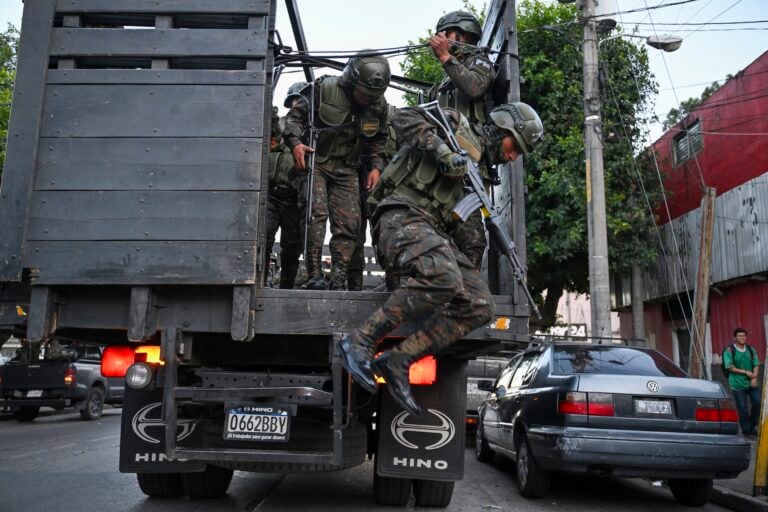
Ecuadorian-led operations against transnational criminal organizations (TCOs) have intensified in 2026, supported by expanded training and coordination efforts that are strengthening how national forces plan and execute missions. The effort, described by Daniel Noboa as “a new phase against narcoterrorism and illegal mining,” signals a shift toward more coordinated, intelligence-led operations driven by Ecuador’s own security priorities. President Noboa, who…

Child Recruitment Fuels Gang Control in Haiti

Child Recruitment Fuels Gang Control in Haiti

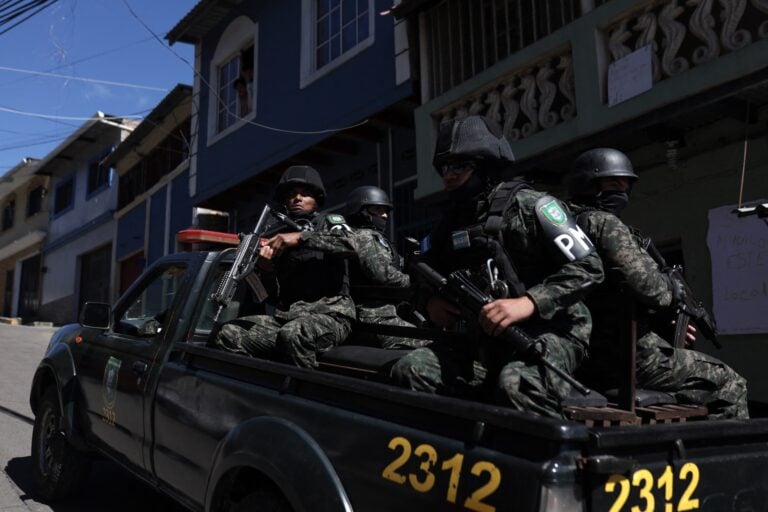
The recruitment of minors by armed gangs in Haiti has evolved into a key mechanism for sustaining territorial control and operational capacity. A February report by the United Nations (U.N.) indicates that this practice not only reinforces gangs’ presence in contested areas but also complicates security operations and weakens already fragile state authority. Javier Oliva Posadas, a researcher at the…

Paraguay Strengthens Cross-Border Partnerships to Counter Organized Crime

Paraguay Strengthens Cross-Border Partnerships to Counter Organized Crime

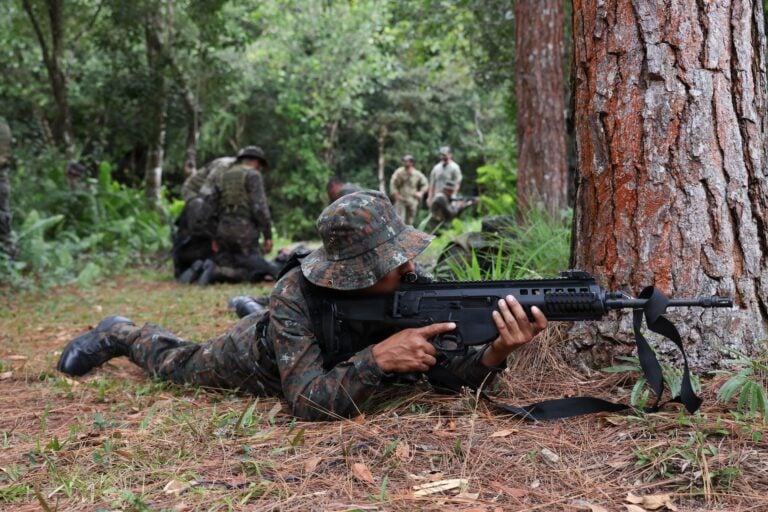
Paraguay is intensifying its fight against transnational criminal organizations (TCOs) through a strategy that emphasizes cross-border coordination, interagency cooperation, and sustained security operations in key frontier regions. At the center of this effort is Operation Escudo Guaraní, a large-scale, ongoing deployment with no fixed end date, mobilizing thousands of military and law enforcement personnel to disrupt drug trafficking networks, dismantle…

Mexico, US Strengthen Fight Against Transnational Organized Crime

Mexico, US Strengthen Fight Against Transnational Organized Crime

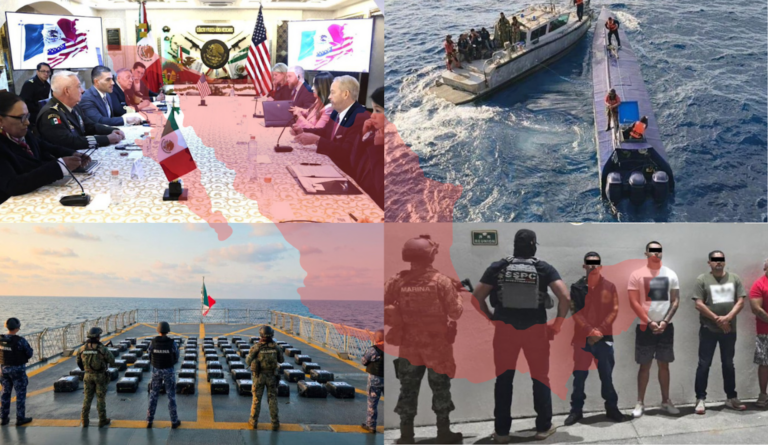
Recent operations against transnational criminal organizations (TCOs) — including maritime drug seizures in the Pacific Ocean and the arrests of alleged members of the Tren de Aragua (TdA) and the Jalisco New Generation Cartel (CJNG) — highlight growing operational coordination between Mexico and the United States in confronting organized crime networks operating across the hemisphere. These actions underscore the bilateral…

Sanctions, Seizures, Surveillance Combat Synthetic Drug Trade in Indo-Pacific

Sanctions, Seizures, Surveillance Combat Synthetic Drug Trade in Indo-Pacific

This article was originally published on FORUM, the U.S. Indo-Pacific Command magazine, on March 12, 2026. The synthetic drug trade, spearheaded by fentanyl and methamphetamine, has metastasized from a criminal enterprise into a complex geopolitical phenomenon, demanding an expansive, multidimensional international response. This global crisis hinges on the ready supply of precursor chemicals — primarily from China — driving two…

Criminal Trails: How Illegal Road Networks Fuel Crime and Deforestation in the Colombian Amazon

Criminal Trails: How Illegal Road Networks Fuel Crime and Deforestation in the Colombian Amazon

The Colombian Amazon faces a paradox: While farmers lack road infrastructure to transport legal products, a growing network of informal trails — precarious, unpaved rural roads — has proliferated across the region. Authorities warn that many of these routes have become logistical corridors for transnational criminal economies, used to transport drugs, supplies for coca production, illegally mined gold, and other…