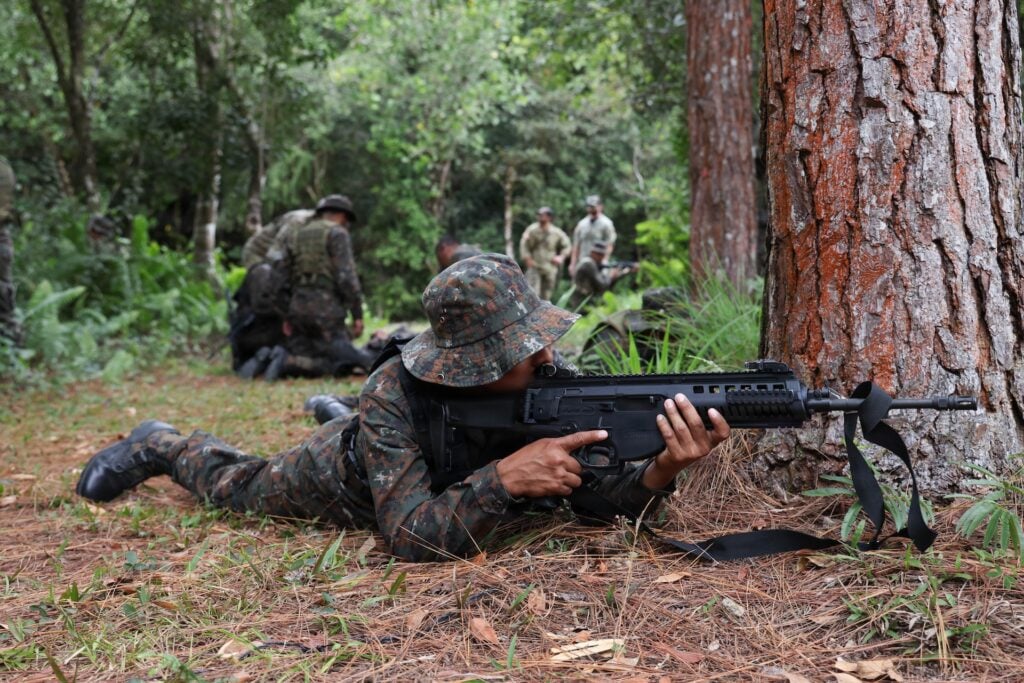

Guatemala is strengthening its operational capabilities against transnational criminal networks through a series of initiatives that include specialized training, joint exercises, technical assistance, and logistical support carried out in close cooperation with the United States. This effort takes place within a regional environment where increasingly sophisticated transnational criminal organizations demand more integrated and coordinated responses. The U.S. Embassy in Guatemala has emphasized that this bilateral cooperation further strengthens ties between both countries while enhancing joint operational capabilities, establishing the United States as a trusted partner in the region amid China’s growing presence.
As part of this broader engagement, the aircraft carrier USS Nimitz (CVN-68) hosted senior Guatemalan officials in March during its Southern Seas 2026 deployment, underscoring ongoing maritime cooperation and interoperability across the region. The deployment highlights a shared commitment to countering criminal networks that exploit maritime and cross-border routes to traffic drugs, weapons, and other illicit goods. According to the Guatemalan Army, such engagements are a key pillar in strengthening operational coordination and regional partnerships.
Military cooperation and humanitarian assistance: A strategic alliance
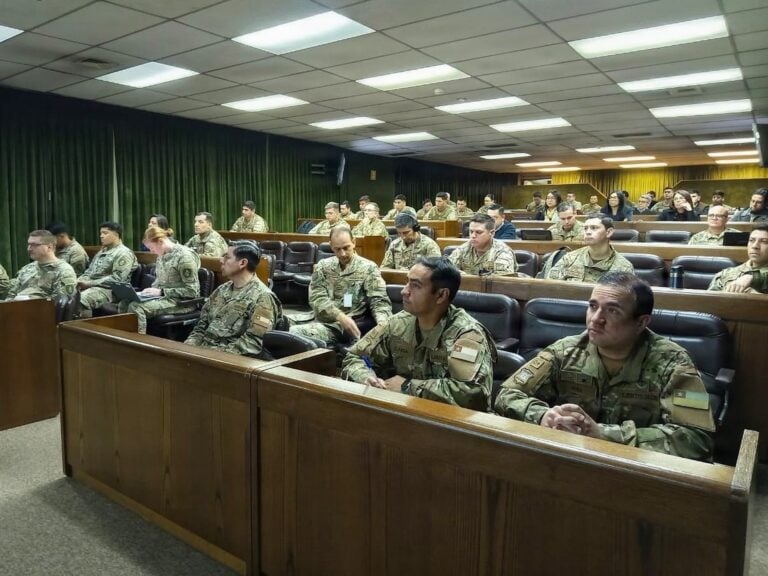
The scope of this partnership was further demonstrated in January with the arrival of two U.S. Air Force C-17 Globemaster III aircraft, which transported specialized personnel, medical equipment, and humanitarian supplies to Guatemala as part of U.S. Southern Command- (SOUTHCOM) supported cooperation efforts. The deployment supported ongoing tactical training and cooperation initiatives aimed at strengthening the country’s capacity to combat transnational crime. Guatemalan authorities highlighted that these engagements, carried out in coordination with SOUTHCOM, facilitate the exchange of technical expertise and operational knowledge.
In March 2026, U.S. Army Green Berets conducted joint training in Guatemala with Kaibil Special Forces and other Guatemalan units. The training focused on small-unit tactics, operational planning and coordination in complex environments, reinforcing interoperability between both forces.
“U.S. cooperation is crucial for strengthening Guatemala’s technical and institutional capabilities,” stated Eddy Amílcar Morales, a criminologist and former director of the Guatemalan Prison System. Morales noted that such support not only enhances operational effectiveness but also contributes to broader institutional strengthening, transparency, and justice — key elements in addressing corruption and internal security challenges.
Border reinforcement: Comprehensive strategy against illicit trafficking
Along its border with Mexico, Guatemala has intensified security efforts through Operation Ring of Fire (Operación Cinturón de Fuego), a large-scale deployment spanning key departments such as San Marcos, Huehuetenango, and Quiché. The operation aims to disrupt the trafficking of drugs, weapons, and other illicit activities along one of the region’s most critical corridors.
The strategy combines permanent patrols, aerial and drone-based reconnaissance, and coordination with Mexican authorities to limit the mobility of criminal networks operating across the border. Elite units, including the Kaibil Special Forces, have supported these efforts alongside conventional forces, reinforcing the state’s presence in historically vulnerable areas.
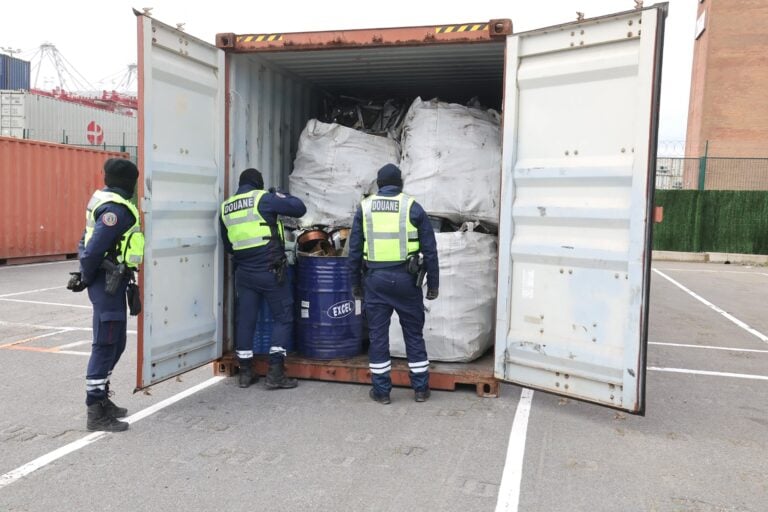
Recent operations illustrate the impact of this approach. On March 16, Guatemalan authorities seized an arsenal of assault rifles in Ayutla, near the Suchiate River — an area long used by criminal organizations to move illicit goods between Central America and Mexico. Security analysts point to sustained territorial presence as a key factor in disrupting these networks.
For Morales, long-term success depends on maintaining that presence. “It is necessary to establish permanent police bases and decentralize operational decisions. Community patrols, supported by local intelligence, allow for more effective crime prevention. It is not enough to react; we must anticipate,” he said.
Strategic partners against organized crime
U.S. support extends beyond border regions. In urban centers, Guatemalan security forces have intensified efforts to dismantle criminal infrastructures that enable gang control and coordination. As part of these operations, the government declared a state of prevention in several departments, including Guatemala, Escuintla, Petén, Izabal, San Marcos, and Huehuetenango — areas identified as particularly vulnerable to organized crime and transnational crime.
One notable development has been the dismantling of multiple clandestine surveillance networks used by gangs to monitor security force movement and maintain territorial control. These systems, attributed primarily to Barrio 18, allowed criminal groups to anticipate patrols and coordinate activities. Their removal represents a tangible step toward restoring state authority in affected communities and degrading the operational capabilities of these organizations.
“Our strategic partner [the United States] understands that combating drug trafficking and organized crime is a hemispheric task,” said Guatemala’s Minister of Defense Major General Henry Sáenz, in a March interview with AFP. “Good times are ahead for the hemisphere, where everyone, without exception, will work together to confront this threat.”
Guatemala also participated in multinational exercise CENTAM Guardian 2026, hosted by El Salvador, which brough together regional forces to strengthen coordination and readiness against transnational threats.
U.S.-Guatemala cooperation reflects a broader regional effort to address the flow of illicit goods, money, and criminal activity across one of the hemisphere’s most sensitive transit corridors. Through sustained technical, operational, and strategic support, the partnership continues to strengthen Guatemala’s ability to respond to evolving threats while contributing to wider regional security.