
Paraguay has made significant progress in its fight against transnational drug trafficking by strengthening security at its river ports and implementing a strategy centered on intelligence, interagency coordination, and international cooperation. Paraguayan authorities say the country is no longer one of the principal departure points for cocaine shipments to Europe, a shift they attribute to policies implemented under the administration of President Santiago Peña.
Jalil Rachid, head of the National Anti-Drug Secretariat (SENAD), reported in May 2026 that detected cocaine shipments from Paraguayan river ports to Europe had fallen to zero compared with nearly 32 metric tons identified in 2021, when Paraguay had become a strategic transit corridor for regional criminal organizations.
Interior Minister Enrique Riera said the improvement reflects coordinated efforts among SENAD, the National Police, the Public Prosecutor’s Office, and the Judiciary, which have strengthened intelligence, investigations, and surveillance along the country’s principal logistics corridors.
Results supported by a comprehensive strategy
Recent figures point to a significant decline in cocaine seizures within Paraguay. According to data compiled by InSight Crime, authorities seized nearly 1 metric ton of cocaine in 2025, compared with 5.5 metric tons in 2024. While part of the difference is attributable to an exceptionally large seizure in 2024, authorities believe the figures also reflect greater control over the routes used by transnational criminal networks.
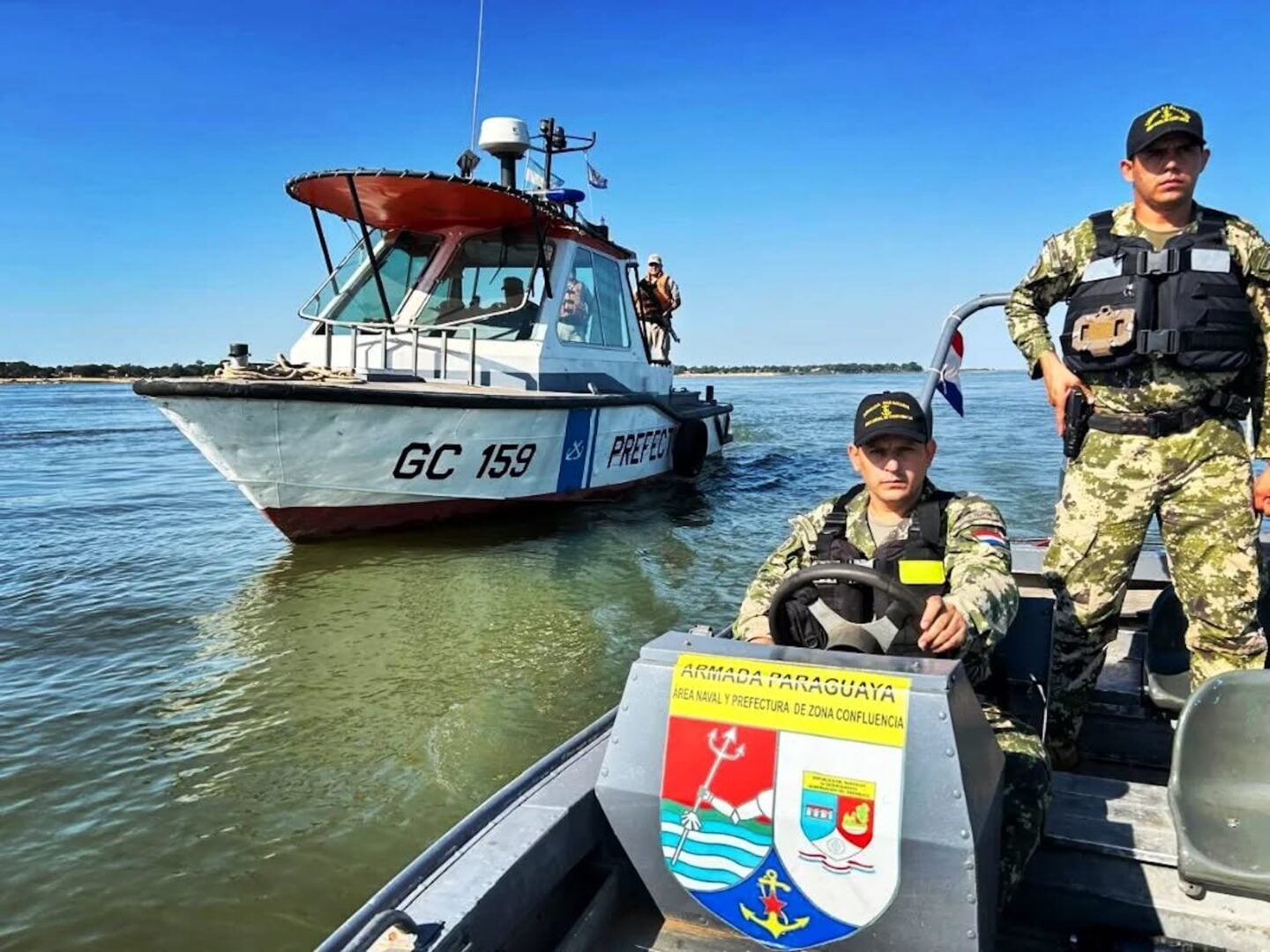
Strengthening surveillance along the Paraguay-Paraná Waterway has been one of the cornerstones of this strategy. The waterway, one of South America’s most important commercial corridors, has long been exploited by organizations to move cocaine and other illicit goods. Increased monitoring and interdiction have helped disrupt these operations while improving the government’s ability to detect and respond to illicit activity.
Regional cooperation drives progress
Paraguay’s progress has also been supported by close cooperation with neighboring countries and international partners. The country participates in the Paraná Plan, a regional initiative designed to strengthen security along the shared waterway and combat transnational crimes including drug, arm, and human trafficking; and smuggling.
In June 2026, Paraguay assumed the pro tempore presidency of the 37th Specialized Meeting of Drug Enforcement Authorities, bringing together representatives from MERCOSUR member states to strengthen information sharing and enhance joint capabilities against shared criminal threats.
Cooperation with the United States has also enhanced Paraguay’s operational capabilities. In April, U.S. Southern Command (SOUTHCOM) donated eight SAFE 25 patrol boats and related equipment to the Paraguayan Navy, strengthening river patrol, surveillance, and interdiction capabilities along the Paraguay-Paraná Waterway.
A model taking root
For Vanessa Cárdenas, a researcher on organized crime at the Observatory of International Affairs at Chile’s Finis Terrae University, the reduction in cocaine shipments reflects a combination of stronger port security, improved intelligence, and more effective coordination among SENAD, customs authorities, prosecutors, and international partners.
Cárdenas told Diálogo that criminal organizations routinely exploit legitimate trade and logistics networks and continuously adapt their methods to avoid detection. As such, she said, sustained international cooperation, institutional strengthening, and ongoing intelligence sharing remain essential to preserving the progress achieved.
Paraguay’s recent results demonstrate that a strategy built on riverine security, intelligence, and interagency cooperation can significantly disrupt the logistics networks used by transnational criminal organizations. More than an isolated success, the country’s progress reflects the continued strengthening of its security institutions and its growing role as a regional partner in the fight against organized crime.
Authorities acknowledge, however, that criminal organizations are likely to adapt by seeking alternative routes and methods. Sustaining these gains will therefore require continued investment in intelligence, operational coordination, and international cooperation to prevent traffickers from shifting their operations elsewhere. For now, the sharp decline in detected cocaine shipments to Europe represents an encouraging indicator that Paraguay’s security strategy is producing measurable results.