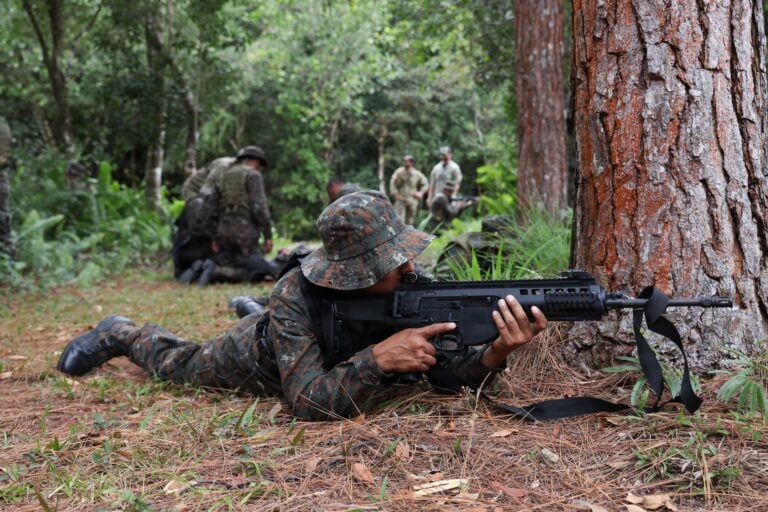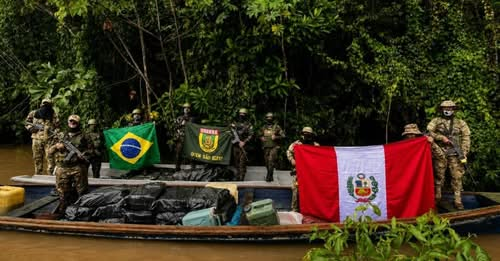
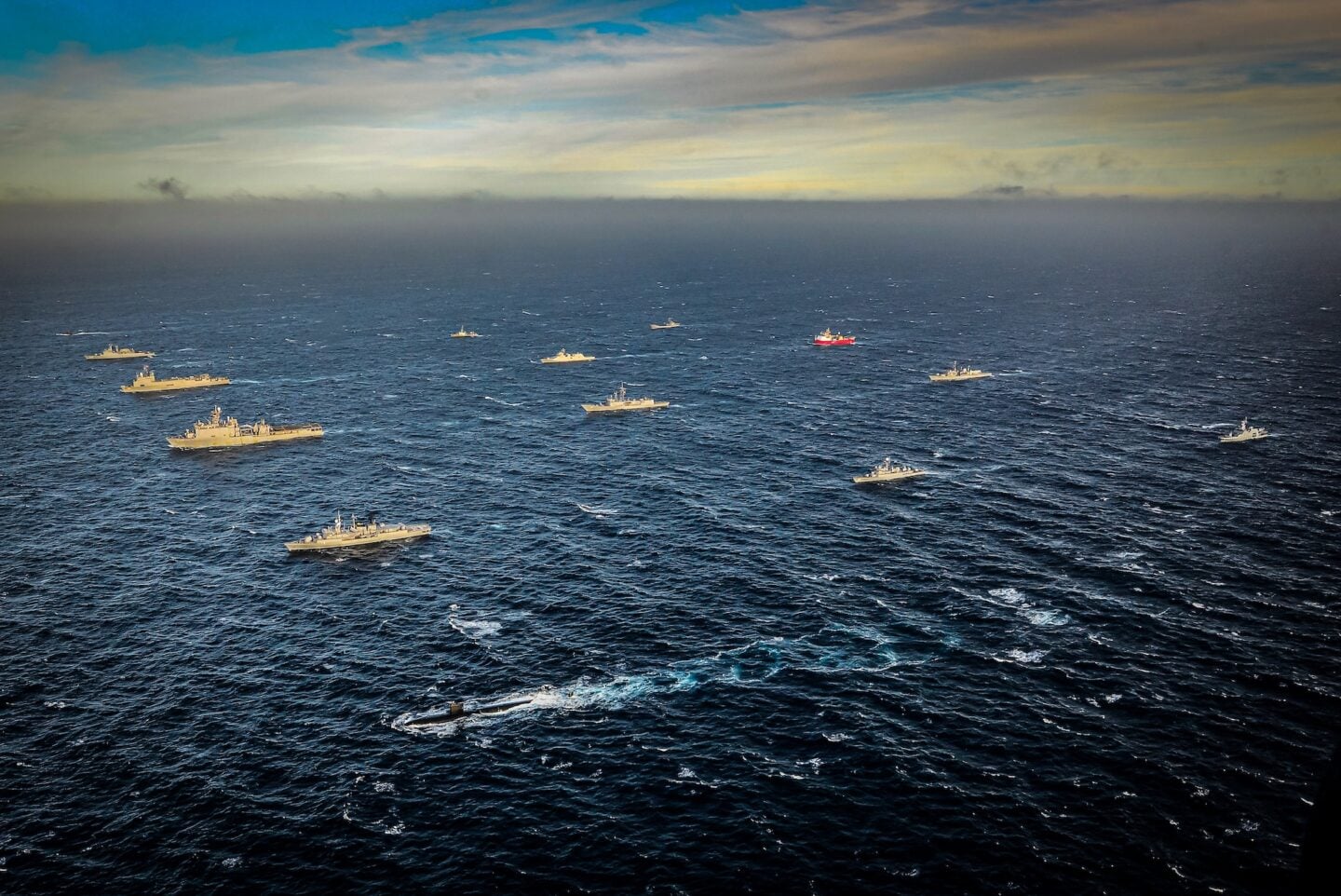

The Peruvian Navy and U.S. naval forces are making final preparations for UNITAS LXVII, the world’s longest-running annual multinational maritime exercise, scheduled for September in Ancón, Salinas, and other locations throughout Peru. This year’s edition will expand its traditional scope to include maritime, amphibious, Amazon, cyber defense, and, for the first time, a lake phase on Lake Titicaca.
The evolution of the exercise reflects an increasingly evident reality across the hemisphere. Today’s threats no longer unfold in a single domain or remain confined within national borders. Illegal, unreported, and unregulated (IUU) fishing, maritime drug trafficking, illicit trafficking networks, cyberattacks against critical infrastructure, and humanitarian crises require coordinated multinational responses. In this context, interoperability has evolved from a desirable objective into an indispensable strategic capability.
More than 6 decades of strengthening cooperation
Preparation for UNITAS LXVII included a series of multinational planning conferences held between March and July, during which representatives from more than 18 countries updated the operational scenario, defined training objectives, reviewed participating assets, and coordinated logistics, communications, and command-and-control arrangements.
UNITAS was conceived during the First Inter-American Naval Conference held in Panama and was first conducted in 1960 with the participation of Argentina, Brazil, Chile, Colombia, Ecuador, Peru, Uruguay, Venezuela, and the United States. Since then, the exercise has evolved from a conventional naval exercise into one of the hemisphere’s premier venues for multinational military training. Each edition strengthens common procedures, operational standards, and professional relationships that enable participating forces to operate together effectively during real-world contingencies.
For Peru, hosting UNITAS LXVII further reinforces its role as a key regional maritime security partner and demonstrates its ability to coordinate complex multinational operations across diverse geographic and operational environments.
Interoperability extends beyond the sea
The Peruvian Navy describes UNITAS LXVII as a multidomain exercise that will integrate maritime, amphibious, Amazon, cyber defense, and high-altitude training phases. This design reflects the recognition that contemporary threats rarely remain confined to a single operational environment.
Admiral (Ret.) Juan Andrés de la Maza, former commander-in-chief of the Chilean Navy and host of UNITAS 2024, told Diálogo that the evolution of maritime threats has made multinational cooperation indispensable.
“The nature of illicit activities that disrupt good order at sea recognizes no borders, operating across multiple jurisdictions, exploiting surveillance gaps, and using logistical networks that exceed the response capacity of any single state,” he said.
Against this backdrop, interoperability means far more than simply training together. “It requires the integration of capabilities, the standardization of procedures, logistics, and command-and-control capabilities among countries with different doctrines and equipment,” Adm. de la Maza said.
Preparing for increasingly complex threats
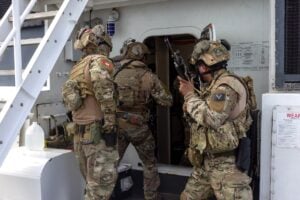
One of the principal innovations of UNITAS 2026 will be the incorporation of a dedicated cyber defense component, reflecting the growing dependence of military operations on secure and resilient digital networks.
Peruvian international analyst Pedro Yaranga told Diálogo that this phase seeks to protect communications systems and critical infrastructure while forces conduct operations across the exercise’s various training environments.
In a real-world contingency, cyber operations and physical maneuvers occur simultaneously. Training in both domains enables participating forces to maintain operational continuity even when communications or command-and-control systems face interference or attack.
At the same time, the exercise strengthens the ability to respond to hybrid threats that combine traditional illicit activities with technological tools, cyberattacks, and actions directed against critical infrastructure.
Lake Titicaca expands the operational environment
For the first time in UNITAS history, the exercise will include a lake phase on Lake Titicaca, introducing operational conditions unique within a multinational maritime exercise.
Yaranga described the world’s highest navigable lake, located more than 3,800 meters above sea level, as “a unique testing laboratory” for participating forces, as high-altitude conditions affect propulsion systems.
“The performance of diesel and outboard engines changes dramatically because of the lower oxygen concentration, requiring crews to adapt the performance of lake interception craft,” Yaranga explained.
As a result, every maneuver becomes an exercise in real-time technical and tactical adaptation.
Beyond the technical challenge, Lake Titicaca also represents an area of strategic importance. As a body of water shared by Peru and Bolivia, it provides an opportunity to strengthen coordination procedures applicable to transboundary waterways that may be exploited by criminal organizations for illicit trafficking and other threats to regional security.
Cooperation that extends beyond each edition
Each edition of UNITAS is hosted by a different country, which adapts the exercise to its own operational priorities and requirements. That rotation allows participating navies to train in different geographic environments while sharing experiences in addressing region-specific challenges.
For UNITAS LXVII, the Peruvian Navy is working alongside U.S. Naval Forces Southern Command/U.S. Fourth Fleet and the other participating navies to develop a training program that strengthens interoperability and the ability to respond collectively to shared threats.
Preparing today to respond tomorrow
UNITAS 2025, held along the U.S. East Coast, demonstrated how participating forces continue integrating advanced maritime technologies, unmanned systems, and increasingly complex combined operations. UNITAS LXVII builds on that experience while expanding training into new operational environments.
As IUU fishing, maritime drug trafficking, transnational criminal organizations, cyber threats, and other challenges continue to evolve across the Pacific and the broader hemisphere, exercises such as UNITAS are becoming increasingly relevant. Beyond tactical training, they build trust, develop common procedures, and strengthen the ability of allied and partner forces to operate together when real-world crises demand a coordinated response.