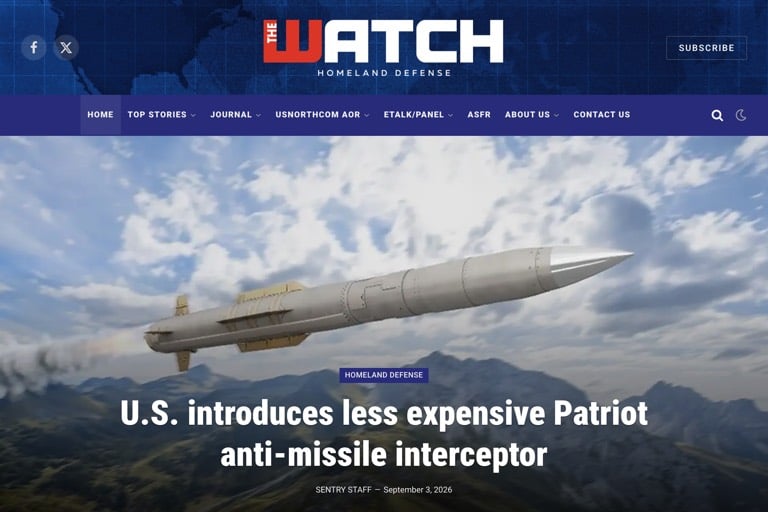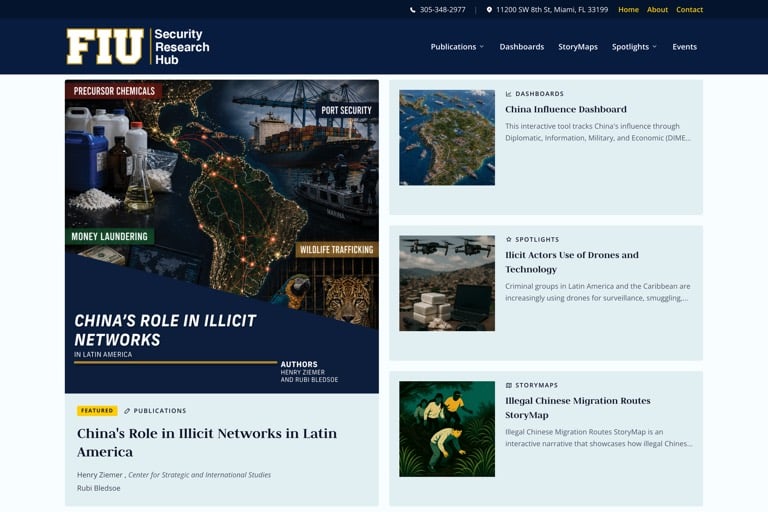

Cyberspace has emerged as a critical domain for national security. Beyond the traditional domains of land, air, and sea, the digital networks that support energy, transportation, communications, finance, customs, emergency response, and government operations have become critical infrastructure — and increasingly attractive targets for cybercriminals and hostile state actors. Recognizing these growing risks, Guatemala has expanded efforts to strengthen cyber…
Browsing: Strategic Influence
How China’s Space Projects Are Prompting Greater Scrutiny Across South America
Governments across South America are taking a closer look at Chinese-backed space and scientific infrastructure projects as concerns grow over their potential dual-use applications, transparency, and implications for national sovereignty. Recent decisions in Argentina and Chile to halt or cancel major Chinese observatory initiatives reflect a broader trend: Advanced infrastructure once viewed primarily through a scientific or commercial lens is…
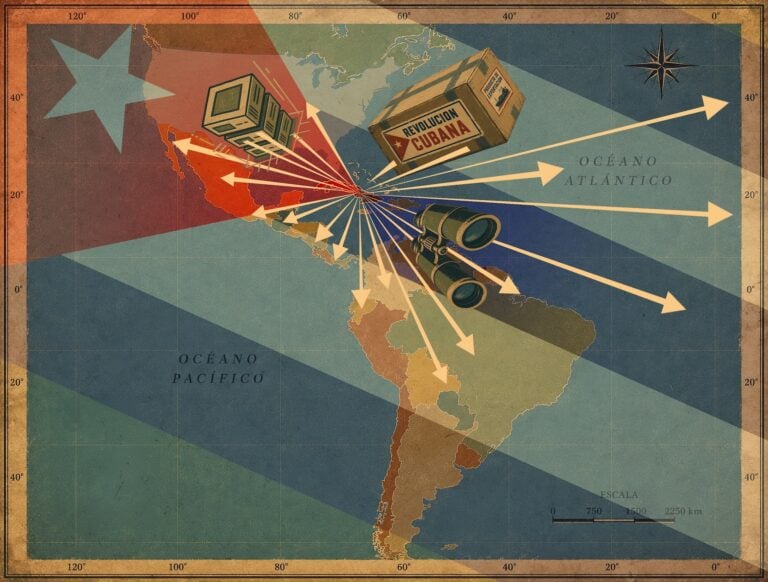
The Legacy of Cuban Intelligence: How Havana Exported Its Security Model Across Latin America
The death in June 2026 of Ramiro Valdés Menéndez, one of the principal architects of Cuba’s intelligence and internal security apparatus, marked the passing of one of the last historic figures associated with the security structures created after Fidel Castro came to power on January 1, 1959. For nearly seven decades, Cuba’s effort to export its revolution have provided the…
Inside GAESA: How Cuba’s Military Conglomerate Projects Influence Beyond the Island
More than a business conglomerate, the Business Administration Group S.A. (GAESA) has become the primary vehicle through which Cuba’s Revolutionary Armed Forces (FAR) control much of the country’s strategic economy. Ports, logistics, tourism, financial services, foreign trade, and other hard-currency-generating sectors form part of a corporate structure unlike any other in Latin America and the Caribbean. For analysts, GAESA’s significance…
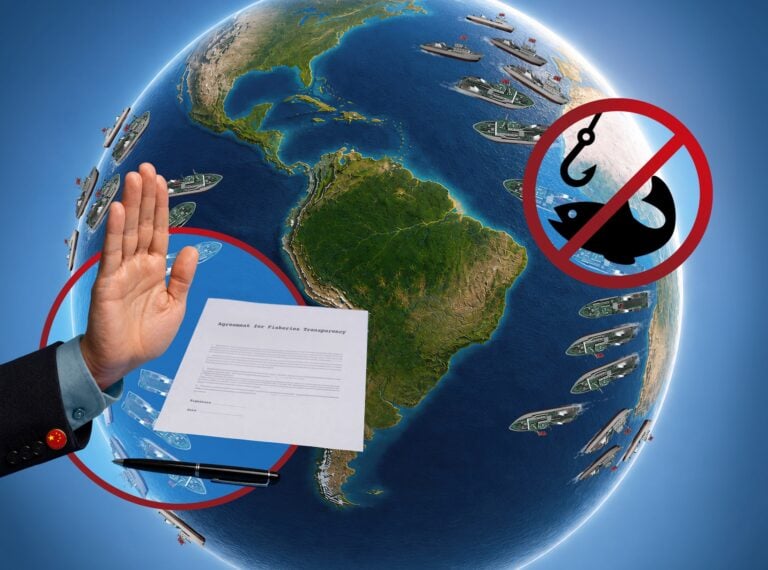
China Refuses to Sign Agreement to Combat Illegal Fishing
This article was originally published by U.S. Africa Command magazine, Africa Defense Forum (ADF), on July 28, 2026. China has refused to sign an agreement meant to improve efforts to combat illegal, unreported, and unregulated (IUU) fishing. Beijing commands the world’s largest distant-water fishing fleet and is the world’s worst illegal fishing offender, according to the IUU Fishing Risk Index.…
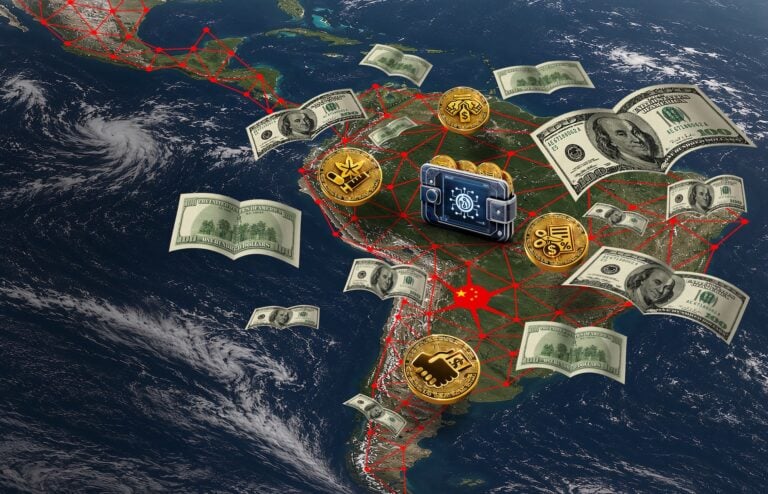
Chinese Money Laundering Networks Fuel Financial Expansion of Organized Crime in Latin America and the Caribbean
Chinese money laundering networks have become a key financial engine for transnational organized crime in Latin America and the Caribbean. Through informal value transfer systems, underground banking, international trade, and cryptocurrencies, these organizations move billions of dollars in illicit funds. “Chinese organized crime has expanded worldwide and has turned Latin America into one of its principal financial operating hubs,” Leland…
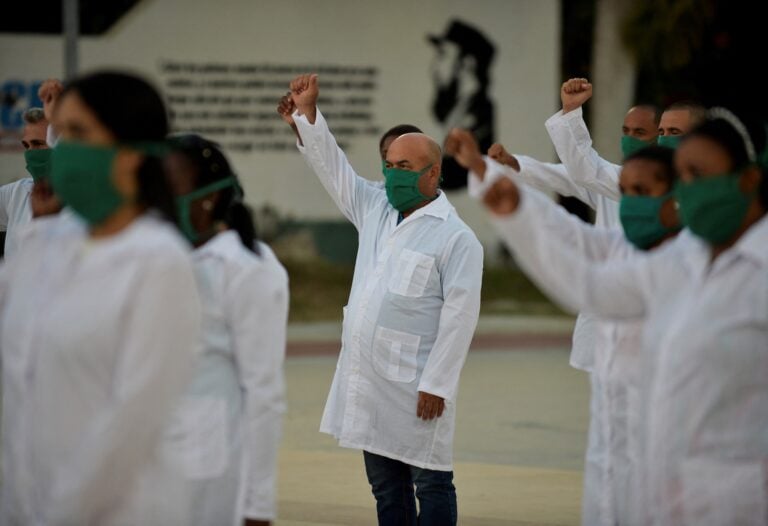
Beyond Health Care: The Strategic Role of Cuba’s Overseas Medical Missions
As Cuba’s health care system faces one of the worst crises in its history, marked by increasingly frequent blackouts, chronic medicine shortages, and hospitals in poor condition, its international medical missions continue to represent one of Havana’s main sources of revenue, in some cases surpassing even tourism. Each year, they generate billions of dollars, providing the regime with essential resources…
China Expands Its Grip on Latin America’s Strategic Minerals Vital to Defense and Technology
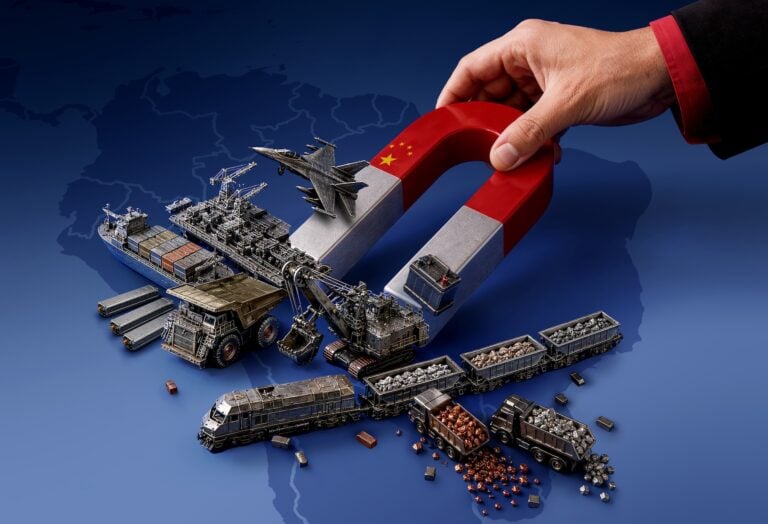
China has steadily expanded its presence in Latin America’s critical minerals sector, investing in lithium, copper, and other resources that underpin advanced technologies, defense systems, semiconductors, and the global energy transition. Accompanied by investments in ports, transportation corridors, and processing facilities, Beijing’s growing footprint in the region has fueled concerns over economic security, strategic dependence, and countries’ ability to retain…
Soft Power and Strategic Ports: China’s Expanding Media Presence in Panama
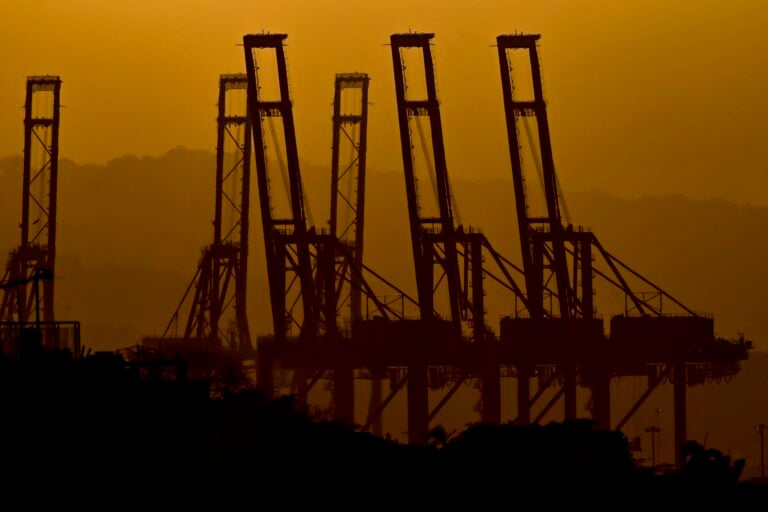
In recent years, China has paired its economic expansion with growing media and digital influence efforts, using strategic communications to strengthen its presence in key sectors such as ports, telecommunications, energy, and logistics. Through state media, embassies, social media platforms, and local partners, Beijing promotes narratives that portray China as a reliable partner and a driver of development. These campaigns…
China’s Solar Energy Projects Deepen Cuba’s Technological Dependence
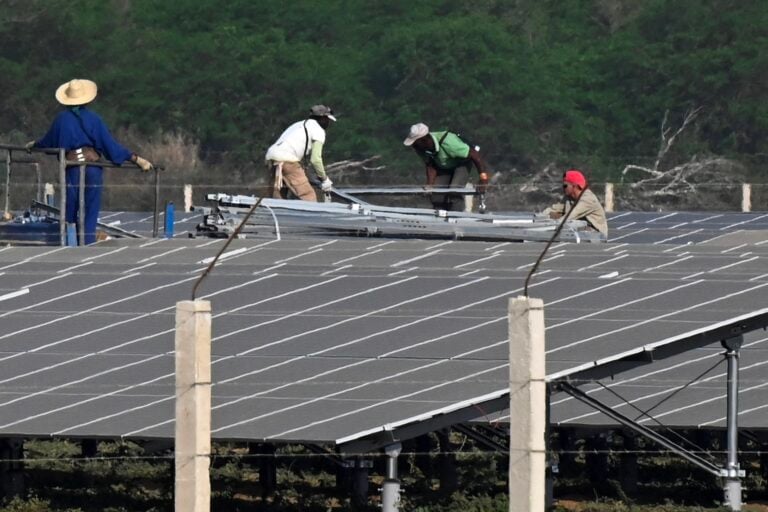
As blackouts continue to cripple Cuba and fuel growing public discontent, China is leveraging the island’s worst energy crisis in decades to deepen its dependence on Chinese-made solar technology. By supplying photovoltaic panels, inverters, specialized equipment, and technical assistance, Beijing is establishing an increasingly important position in a sector critical to restoring Cuba’s electrical system while expanding its strategic influence…
China Deepens Strategic Position in Ecuador’s Gold and Copper Sector
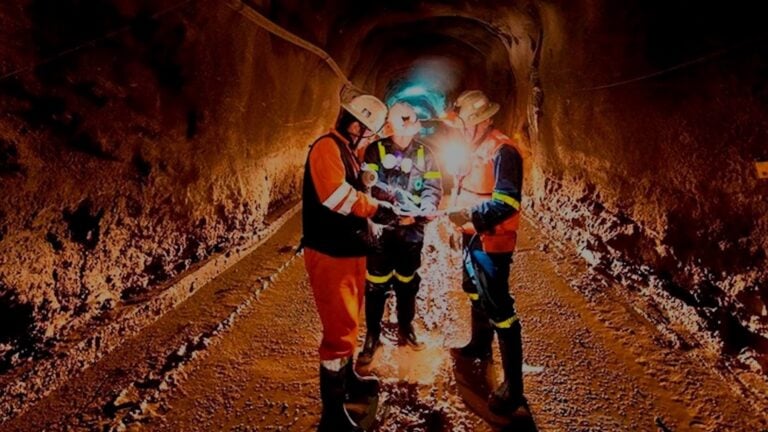
China is rapidly expanding its presence across Ecuador’s strategic mineral sector, securing access to major gold and copper deposits that are increasingly critical to global industrial supply chains, advanced manufacturing, and the energy transition. The latest step came in April 2026, when Ecuador signed an agreement worth more than $1.7 billion for the development of the Los Cangrejos deposit in…
Brazil’s Critical Minerals Push and the Race for Strategic Autonomy
As concerns grow over China’s dominance of global rare earth and strategic mineral supply chains, Brazil is emerging as one of the world’s leading alternatives. According to the U.S. Geological Survey (USGS), the country holds approximately 11 million metric tons of rare earth reserves, the second largest in the world after China, in addition to significant deposits of other critical…