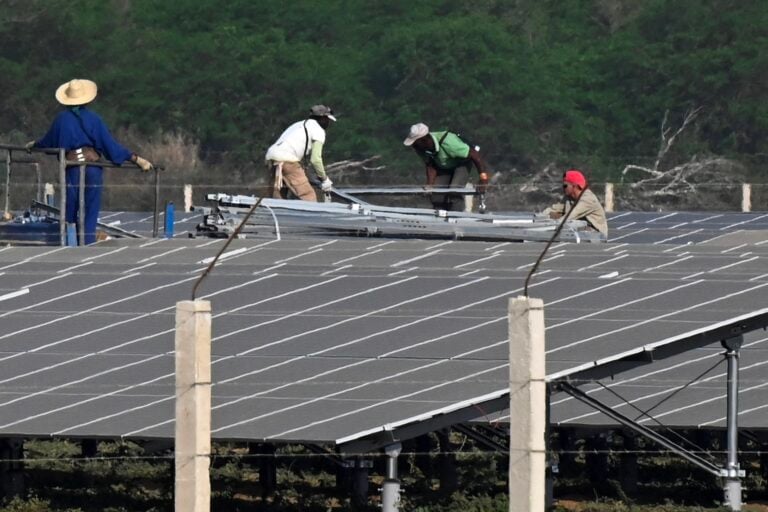
As blackouts continue to cripple Cuba and fuel growing public discontent, China is leveraging the island’s worst energy crisis in decades to deepen its dependence on Chinese-made solar technology. By supplying photovoltaic panels, inverters, specialized equipment, and technical assistance, Beijing is establishing an increasingly important position in a sector critical to restoring Cuba’s electrical system while expanding its strategic influence…
Browsing: Strategic Influence
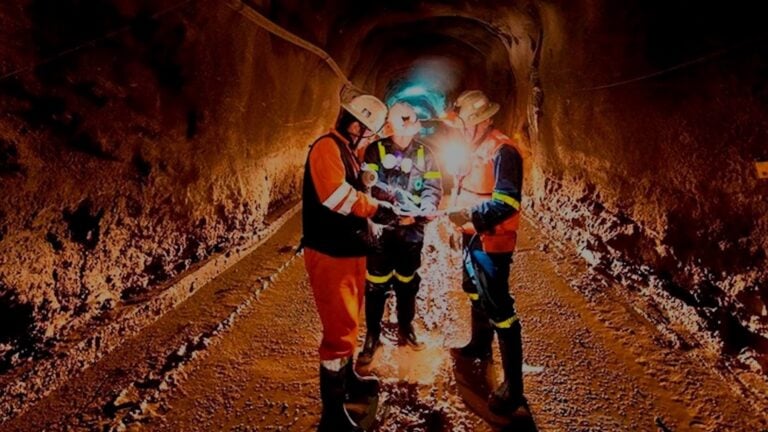
China Deepens Strategic Position in Ecuador’s Gold and Copper Sector
China is rapidly expanding its presence across Ecuador’s strategic mineral sector, securing access to major gold and copper deposits that are increasingly critical to global industrial supply chains, advanced manufacturing, and the energy transition. The latest step came in April 2026, when Ecuador signed an agreement worth more than $1.7 billion for the development of the Los Cangrejos deposit in…
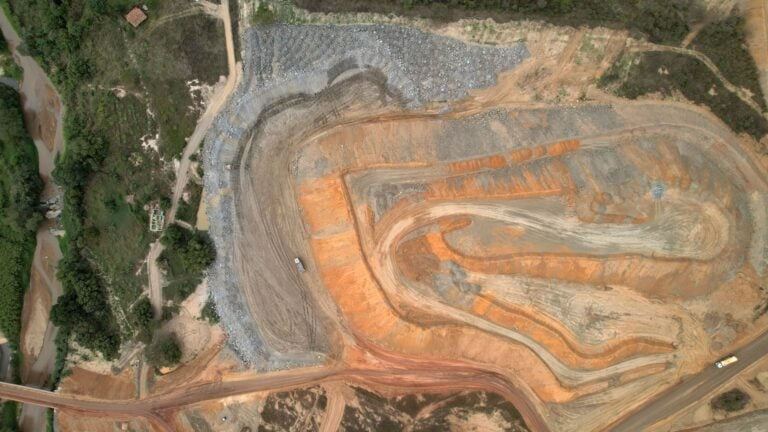
Brazil’s Critical Minerals Push and the Race for Strategic Autonomy
As concerns grow over China’s dominance of global rare earth and strategic mineral supply chains, Brazil is emerging as one of the world’s leading alternatives. According to the U.S. Geological Survey (USGS), the country holds approximately 11 million metric tons of rare earth reserves, the second largest in the world after China, in addition to significant deposits of other critical…
Solar Power and Strategic Influence: China’s Expanding Footprint in the Caribbean
As Caribbean countries accelerate their energy transition, China is steadily expanding its presence in the region’s renewable energy sector, particularly in solar power. Between 2020 and 2024, Chinese exports of green technologies to the Caribbean grew by more than 570 percent. At the same time, this expansion has raised concerns about project transparency, growing technological dependence, and the possibility that…
China Strengthens Its Influence in Cuba’s Strategic Nickel Sector
As Canadian company Sherritt International’s participation in Cuba’s nickel sector faces a period of uncertainty after initially announcing plans to withdraw from one of its joint ventures with the Havana regime, China is steadily expanding its technological support for the island’s mining industry. The introduction of Chinese-supplied equipment to modernize aging facilities is helping keep one of the Cuban regime’s…
China’s Strategic Infrastructure in Cuba: Surveillance, Intelligence, and Regional Power
Since May, Cuba has seen several protests over the country’s deepening energy crisis and the rolling blackouts that continue to disrupt daily life. Independent journalists have also reported repeated internet outages, even after electricity service has been restored. “The regime cuts communications,” journalist Mag Jorge Castro wrote on X, describing a “massive internet outage in Havana.” These incidents point to…
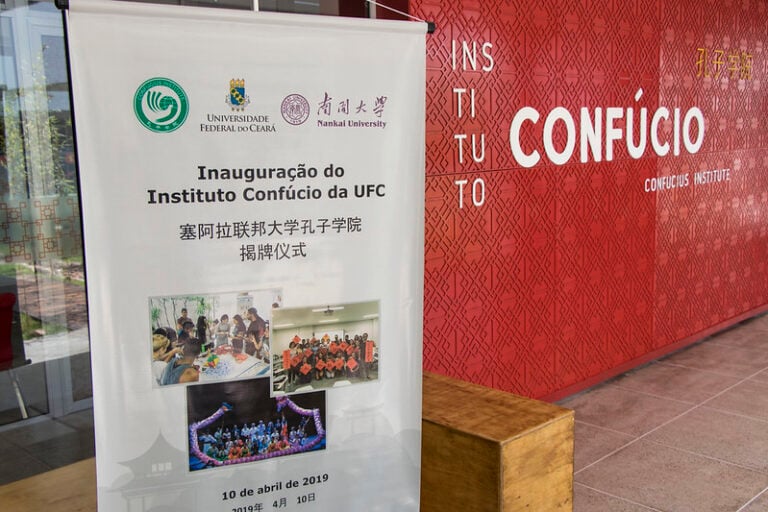
The Global Reassessment of Confucius Institutes: Lessons for Latin America
Created in 2004 to promote Chinese language instruction and cultural exchange, Confucius Institutes have become one of the most visible instruments of China’s soft power. In 2009, Li Changchun, then a member of the Chinese Communist Party (CCP) Politburo, described them as “an important part of China's overseas propaganda apparatus.” In just over two decades, Confucius Institutes have expanded to…
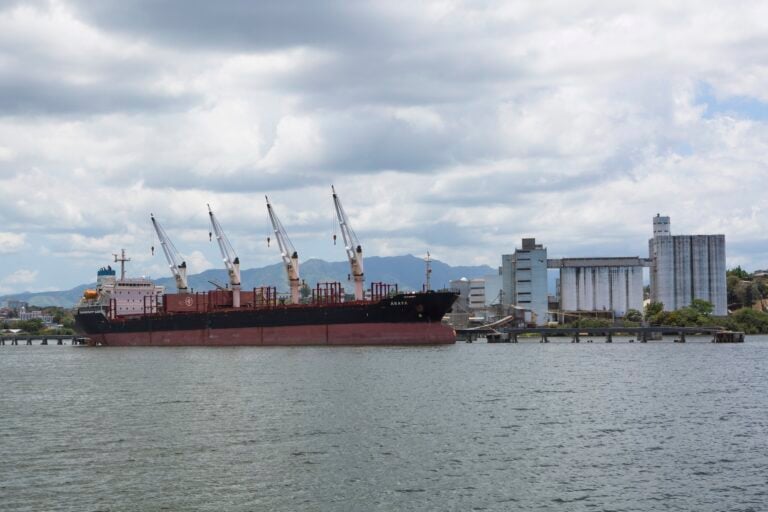
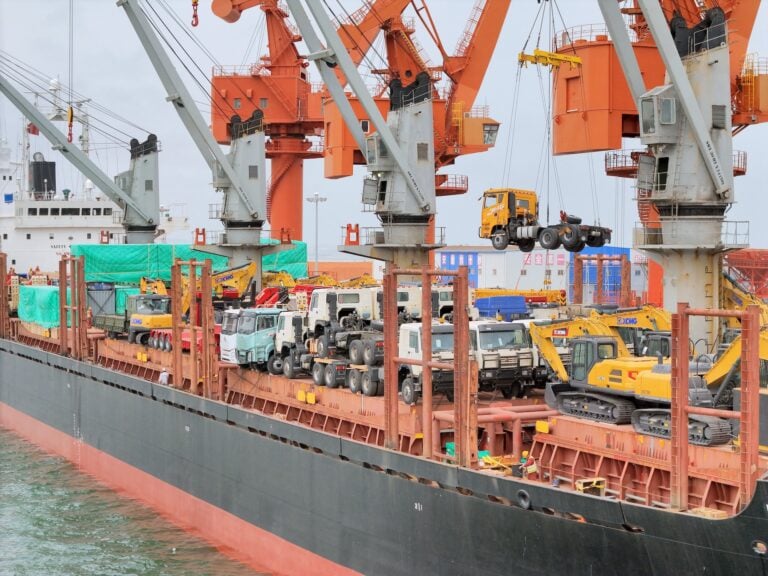
China’s Global Strategy: Port Infrastructure as a Tool of Power
China’s global expansion of port infrastructure is widely regarded as part of a broader strategy to expand geopolitical influence, secure access to strategic supply chains, and strengthen its long-term positioning. According to the report, Anchoring Global Ambitions, published by AidData in partnership with the Center for Strategic and International Studies (CSIS), Beijing has spent the last two decades building an…
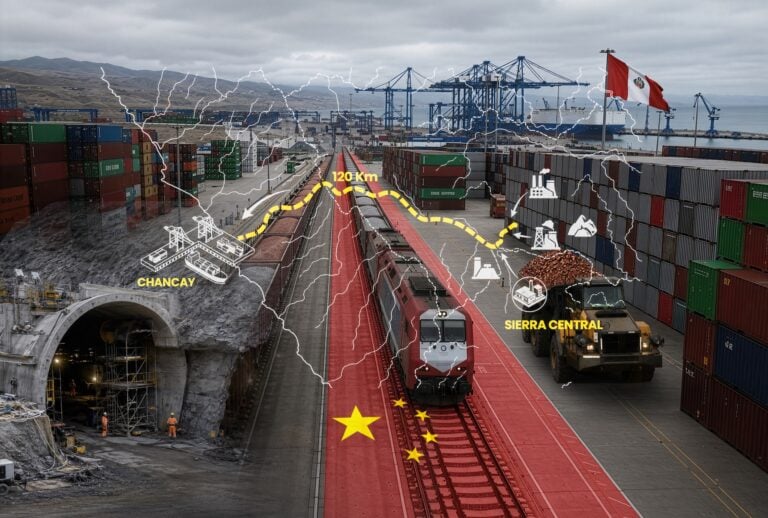
A Strategic Megaproject: Chinese Infrastructure Expands in Peru
China’s growing role in Peru’s strategic infrastructure is raising new questions about economic dependence, control of critical logistics networks, and Beijing’s expanding influence in South America. In early 2026, the Peruvian government awarded Power Construction Corporation of China (POWERCHINA) a $420 million engineering, procurement, and construction contract to develop a 120-kilometer railway line, connecting the Port of Chancay, on Peru’s…
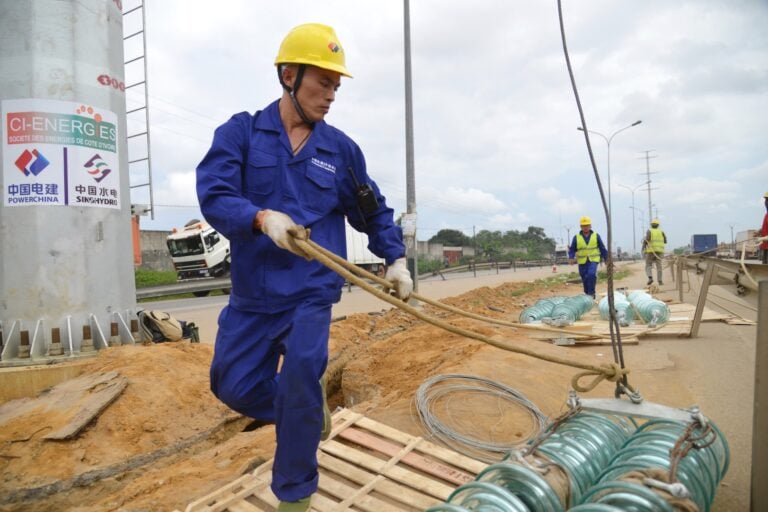
China Strengthens Its Strategic Influence in El Salvador’s Energy Sector
El Salvador has taken a significant step toward the development of renewable energy by signing a contract with the Chinese state-owned company PowerChina for the construction of a 30 MW photovoltaic project in the municipality of Conchagua, La Unión department. The agreement marks China’s official entry into El Salvador’s renewable energy sector, expanding Beijing’s presence into another strategic area of…
Expansion of Chinese Smart Cars in Mexico Creates Data and Logistics Vulnerabilities
The entry of Chinese automaker Xpeng Motors into Mexico is reinforcing the country’s role as a gateway for highly connected vehicles in Latin America. At the same time, the growing presence of these digital platforms is raising concerns related to data management, connectivity, and their potential impact on critical infrastructure and regional supply chains. In March, the manufacturer announced its…
Confucius Institutes: Beijing’s Academic Influence Network
Across Latin America, Confucius Institutes present themselves as centers for Chinese language instruction and cultural exchange, offering Mandarin courses and traditional arts programs that have attracted students and universities throughout the region. Yet analysts argue these institutes serve a broader strategic purpose: helping Beijing cultivate long-term influence over academic institutions, future decision-makers, and research ecosystems that increasingly intersect with national…