
As Caribbean countries accelerate their energy transition, China is steadily expanding its presence in the region’s renewable energy sector, particularly in solar power. Between 2020 and 2024, Chinese exports of green technologies to the Caribbean grew by more than 570 percent. At the same time, this expansion has raised concerns about project transparency, growing technological dependence, and the possibility that…
Browsing: Strategic Influence
China Strengthens Its Influence in Cuba’s Strategic Nickel Sector
As Canadian company Sherritt International’s participation in Cuba’s nickel sector faces a period of uncertainty after initially announcing plans to withdraw from one of its joint ventures with the Havana regime, China is steadily expanding its technological support for the island’s mining industry. The introduction of Chinese-supplied equipment to modernize aging facilities is helping keep one of the Cuban regime’s…
China’s Strategic Infrastructure in Cuba: Surveillance, Intelligence, and Regional Power
Since May, Cuba has seen several protests over the country’s deepening energy crisis and the rolling blackouts that continue to disrupt daily life. Independent journalists have also reported repeated internet outages, even after electricity service has been restored. “The regime cuts communications,” journalist Mag Jorge Castro wrote on X, describing a “massive internet outage in Havana.” These incidents point to…
The Global Reassessment of Confucius Institutes: Lessons for Latin America
Created in 2004 to promote Chinese language instruction and cultural exchange, Confucius Institutes have become one of the most visible instruments of China’s soft power. In 2009, Li Changchun, then a member of the Chinese Communist Party (CCP) Politburo, described them as “an important part of China's overseas propaganda apparatus.” In just over two decades, Confucius Institutes have expanded to…
China’s Global Strategy: Port Infrastructure as a Tool of Power
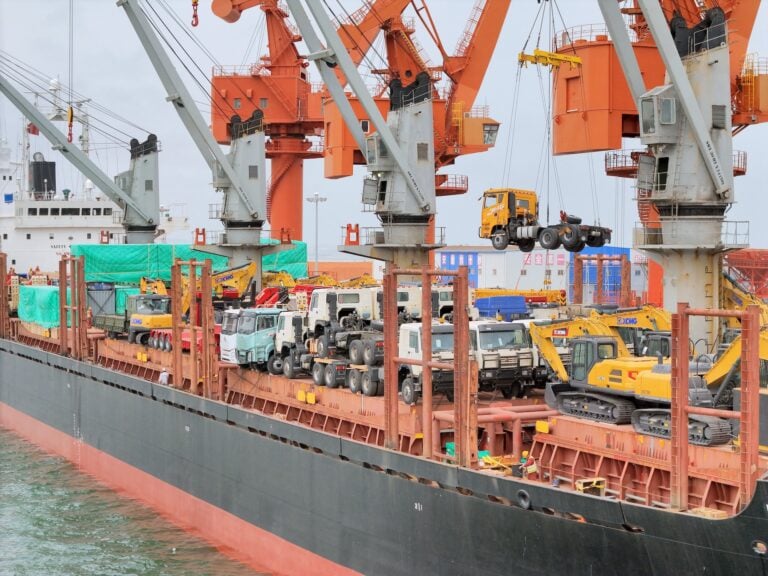
China’s global expansion of port infrastructure is widely regarded as part of a broader strategy to expand geopolitical influence, secure access to strategic supply chains, and strengthen its long-term positioning. According to the report, Anchoring Global Ambitions, published by AidData in partnership with the Center for Strategic and International Studies (CSIS), Beijing has spent the last two decades building an…
A Strategic Megaproject: Chinese Infrastructure Expands in Peru
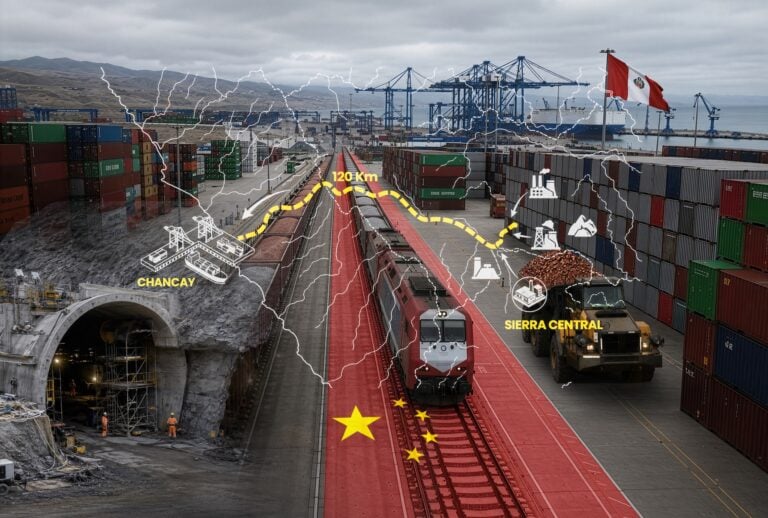
China’s growing role in Peru’s strategic infrastructure is raising new questions about economic dependence, control of critical logistics networks, and Beijing’s expanding influence in South America. In early 2026, the Peruvian government awarded Power Construction Corporation of China (POWERCHINA) a $420 million engineering, procurement, and construction contract to develop a 120-kilometer railway line, connecting the Port of Chancay, on Peru’s…
China Strengthens Its Strategic Influence in El Salvador’s Energy Sector
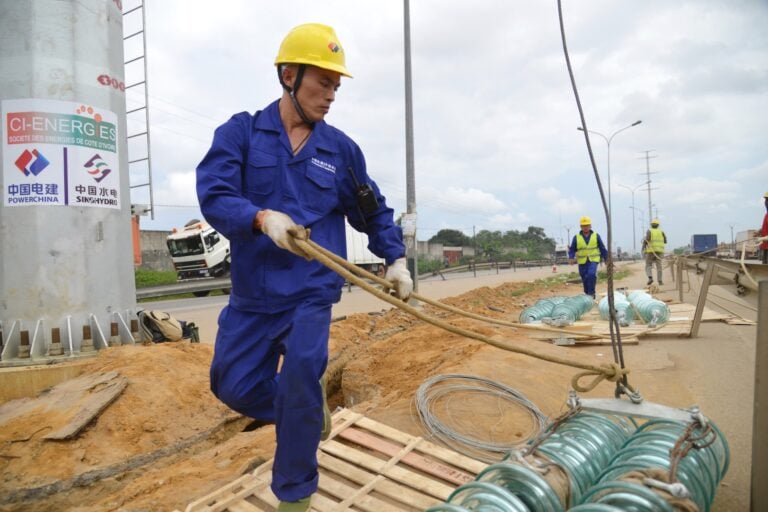
El Salvador has taken a significant step toward the development of renewable energy by signing a contract with the Chinese state-owned company PowerChina for the construction of a 30 MW photovoltaic project in the municipality of Conchagua, La Unión department. The agreement marks China’s official entry into El Salvador’s renewable energy sector, expanding Beijing’s presence into another strategic area of…
Expansion of Chinese Smart Cars in Mexico Creates Data and Logistics Vulnerabilities
The entry of Chinese automaker Xpeng Motors into Mexico is reinforcing the country’s role as a gateway for highly connected vehicles in Latin America. At the same time, the growing presence of these digital platforms is raising concerns related to data management, connectivity, and their potential impact on critical infrastructure and regional supply chains. In March, the manufacturer announced its…
Confucius Institutes: Beijing’s Academic Influence Network
Across Latin America, Confucius Institutes present themselves as centers for Chinese language instruction and cultural exchange, offering Mandarin courses and traditional arts programs that have attracted students and universities throughout the region. Yet analysts argue these institutes serve a broader strategic purpose: helping Beijing cultivate long-term influence over academic institutions, future decision-makers, and research ecosystems that increasingly intersect with national…
China’s Strategic Penetration of Latin America Through Academia and Cultural Networks
China’s penetration through universities, Confucius Institutes, collaborations with the academic world, scholarships, and international forums is growing in Latin America. The purposes are manifold, ranging from consensus building to industrial and military espionage, but the impact on the region is significant. In addition to compromising countries’ national and economic security, China undermines democracy in the region through propaganda and disinformation.…
Chinese Projects’ Rapid Pace Raises Oversight and Security Concerns in Latin America
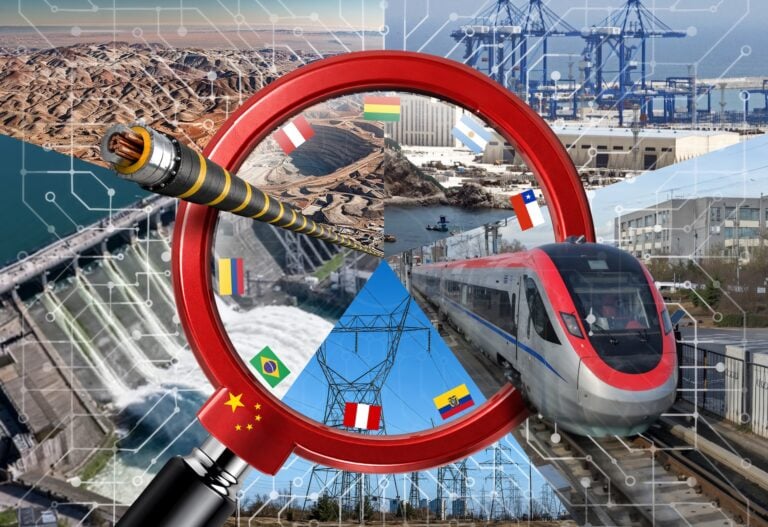
The accelerated implementation of China-linked infrastructure projects across Latin America is increasingly challenging institutional oversight mechanisms during execution. This model, which prioritizes rapid delivery, often compresses evaluation and monitoring processes, affecting transparency and long-term sustainability. In countries facing institutional and oversight challenges, analysts warn that accelerated implementation can reduce opportunities for technical review, public scrutiny, and comprehensive oversight. While accelerated…
Chinese EVs in Brazil: Connectivity, Data, and Strategic Risks
The expansion of Chinese electric vehicles (EVs) in Brazil continues to accelerate, fueling growing concerns related to cybersecurity and the possible dual-use — civilian and strategic — nature of the technologies integrated into these vehicles. Unlike traditional automobiles, modern EVs increasingly function as mobile digital platforms capable of collecting, processing, and transmitting vast amounts of sensitive data in real time.…