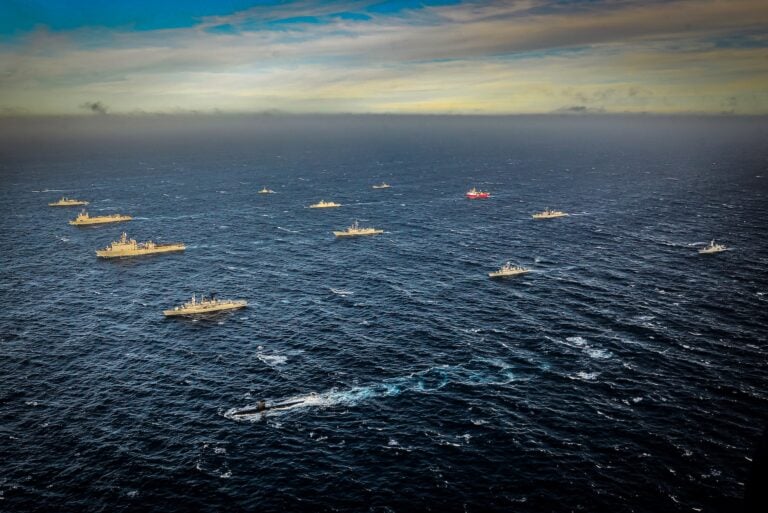
The Peruvian Navy and U.S. naval forces are making final preparations for UNITAS LXVII, the world’s longest-running annual multinational maritime exercise, scheduled for September in Ancón, Salinas, and other locations throughout Peru. This year’s edition will expand its traditional scope to include maritime, amphibious, Amazon, cyber defense, and, for the first time, a lake phase on Lake Titicaca. The evolution…
Browsing: News
Security & Cooperation
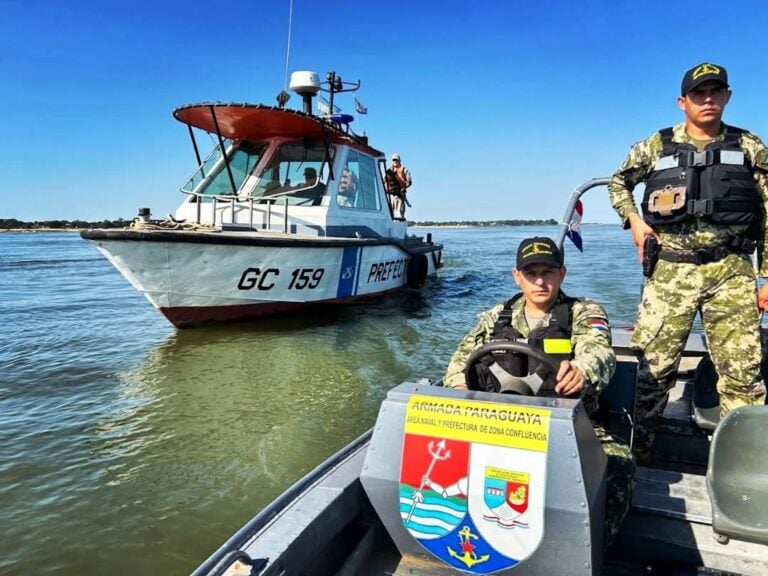
Transnational Crime Paraguay Strengthens Waterway Security as Cocaine Shipments to Europe Decline
Paraguay has made significant progress in its fight against transnational drug trafficking by strengthening security at its river ports and implementing a strategy centered on intelligence, interagency coordination, and international cooperation. Paraguayan authorities say the country is no longer one of the principal departure points for cocaine shipments to Europe, a shift they attribute to policies implemented under the administration…
Strategic Influence Inside GAESA: How Cuba’s Military Conglomerate Projects Influence Beyond the Island
More than a business conglomerate, the Business Administration Group S.A. (GAESA) has become the primary vehicle through which Cuba’s Revolutionary Armed Forces (FAR) control much of the country’s strategic economy. Ports, logistics, tourism, financial services, foreign trade, and other hard-currency-generating sectors form part of a corporate structure unlike any other in Latin America and the Caribbean. For analysts, GAESA’s significance…
Security & Cooperation PANAMAX 2026 Strengthens Multinational Medical Readiness in Panama
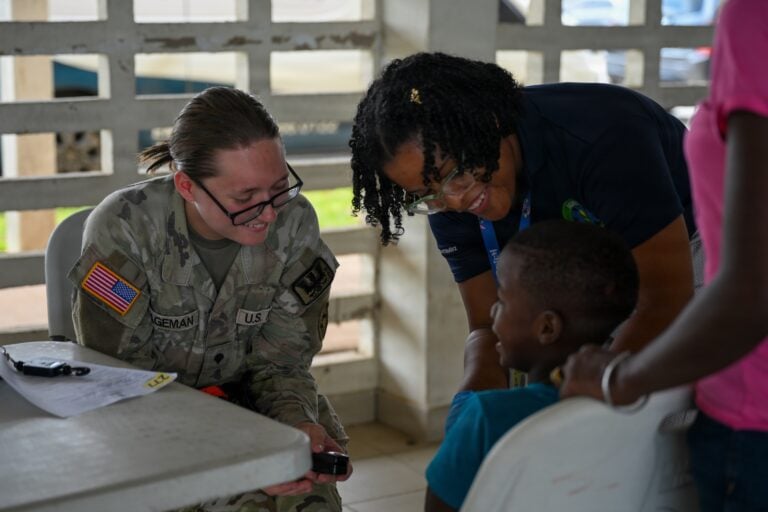
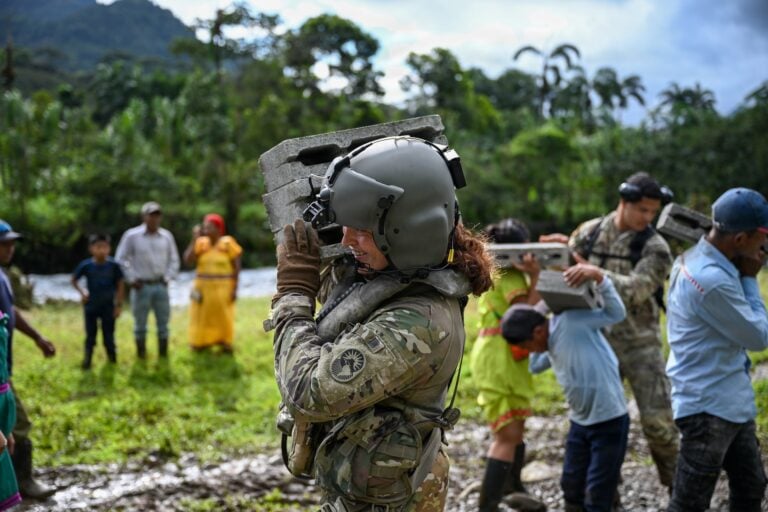
Medical teams from Panama’s Ministry of Health (MINSA), Joint Task Force Bravo (JTF-Bravo), and the Missouri National Guard worked side by side during PANAMAX 2026 to strengthen medical readiness and interoperability while providing healthcare services to communities in Colón, Panama. The Medical Readiness Training Exercise (MEDRETE), held August 4-7 at Altos de los Lagos School combined hands-on medical training with…
Security & Cooperation Brazil, Partner Nations Strengthen Security Against Transnational Crime Through Riverine Exercises
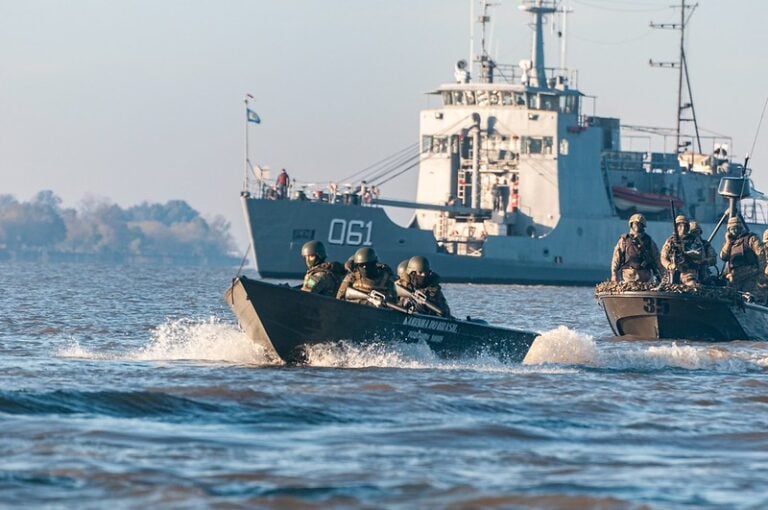
For decades, South America's great rivers were viewed primarily as commercial arteries and instruments of regional integration. Today, however, many of these waterways have become strategic corridors for drug trafficking and transnational organized crime. From the Amazon Basin to the Paraguay-Paraná Waterway, criminal organizations exploit the vast terrain, limited surveillance, and transnational nature of river systems to move drugs, weapons,…
Security & Cooperation Multinational Defense and Security Forces Demonstrate United Resolve during PANAMAX 2026
Multinational defense and security forces have ramped up operations in Panama and are fully integrated and training together during PANAMAX 2026. With a primary focus on safeguarding the Panama Canal, PANAMAX includes 19 partner nations exercising their collective capacity to maintain security and stability in the region while protecting the Western Hemisphere. The nerve center of PANAMAX 2026 lies at…
Strategic Influence Chinese Money Laundering Networks Fuel Financial Expansion of Organized Crime in Latin America and the Caribbean
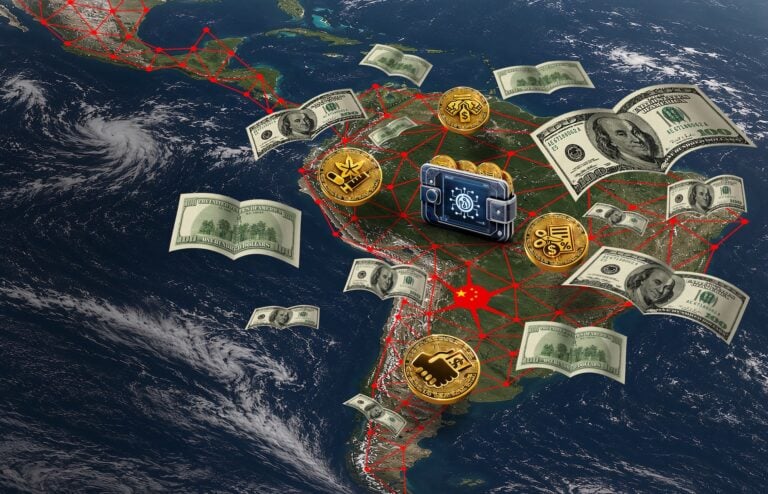
Chinese money laundering networks have become a key financial engine for transnational organized crime in Latin America and the Caribbean. Through informal value transfer systems, underground banking, international trade, and cryptocurrencies, these organizations move billions of dollars in illicit funds. “Chinese organized crime has expanded worldwide and has turned Latin America into one of its principal financial operating hubs,” Leland…
Transnational Crime Ecuador: The New Synthetic Drug Frontier Raising Concerns Across the Americas
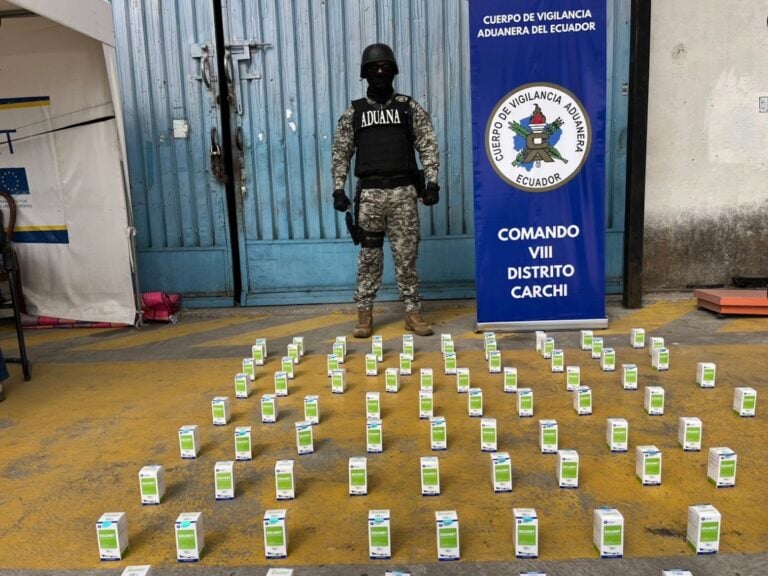
In recent years, transnational criminal organizations have turned Ecuador into one of the region’s principal transit hubs for drug shipments bound for the United States and Europe. Today, however, the country faces an even more complex regional security challenge: the expansion of synthetic drugs. Primarily a transit point for cocaine, Ecuador is increasingly emerging as a hub for the importation…
Strategic Influence Beyond Health Care: The Strategic Role of Cuba’s Overseas Medical Missions
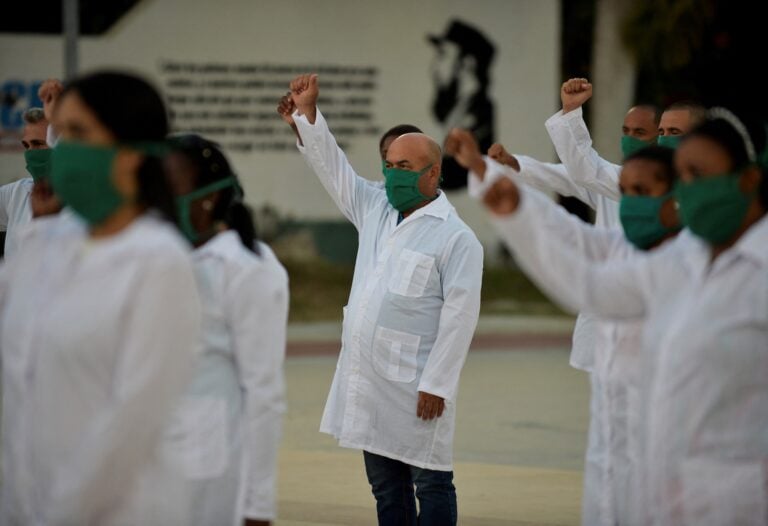
As Cuba’s health care system faces one of the worst crises in its history, marked by increasingly frequent blackouts, chronic medicine shortages, and hospitals in poor condition, its international medical missions continue to represent one of Havana’s main sources of revenue, in some cases surpassing even tourism. Each year, they generate billions of dollars, providing the regime with essential resources…
Security & Cooperation Panama, US Bolster Bilateral Readiness and Humanitarian Response during PANAMAX Alpha
Panama and the United States concluded the annual bilateral exercise PANAMAX Alpha on July 27, strengthening interoperability, humanitarian response capabilities, and operational coordination between the two partners. Conducted with support from U.S. Southern Command (SOUTHCOM), the exercise brought together personnel from Panama’s National Air and Naval Service (SENAN), and Joint Task Force Bravo (JTF-Bravo) for humanitarian assistance missions, technical exchanges,…
Transnational Crime Strengthening Riverine Security in Paraguay Expands Surveillance and Interdiction Capabilities Along the Waterway
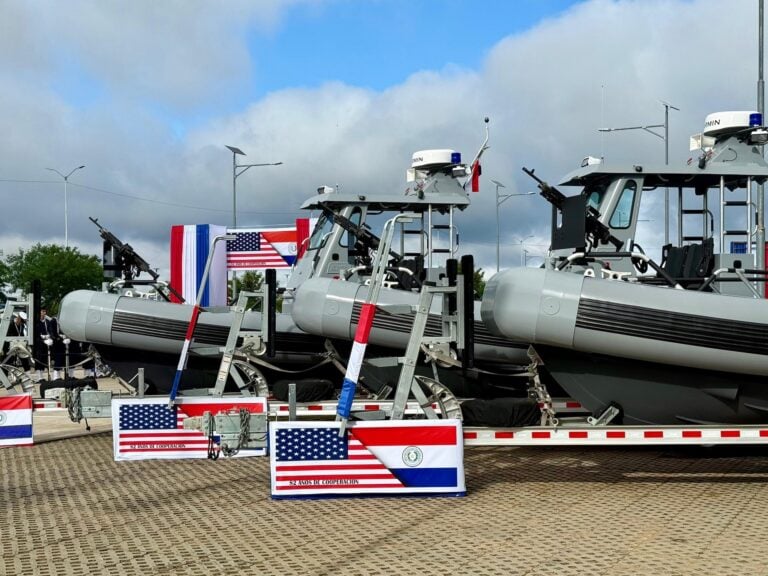
Paraguay and the United States strengthened their riverine security cooperation in April 2026 with the addition of eight new interceptor boats to the Paraguayan Navy, as part of a broader program designed to enhance surveillance, interdiction, and control along the Paraguay-Paraná Waterway. At the same time, Paraguay inaugurated a Command and Control Center to improve operational coordination along one of…
Transnational Crime Honduras, Guatemala Strengthen Cross-Border Security with US Support
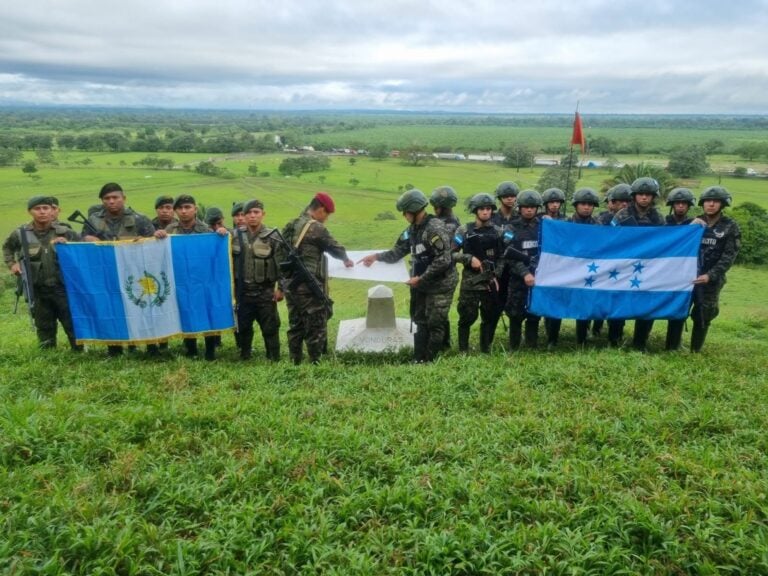
Recent armed incidents along the Honduras-Guatemala border have reinforced the need for closer coordination between the two countries as transnational criminal organizations increasingly exploit borders to move drugs, weapons, and other illicit goods throughout Central America. Strengthened military coordination, expanded information sharing, reinforced border surveillance, and continued cooperation with the United States aim to improve both countries’ ability to detect…