
After years of frozen relations, the restoration of diplomatic ties between the United States and Venezuela marks a significant turning point for regional security dynamics. The reopening of dialogue comes after the arrest of Nicolás Maduro in January 2026 and the installation of an interim government. This new context has [ … ]
News
China’s Aggressive Media Influence Operation in the Caribbean
China is intensifying its influence strategy in the Caribbean through a combination of diplomacy, investments, media cooperation, and information campaigns aimed at expanding its strategic presence in the region. According to experts, Beijing is using journalism training programs, content-sharing agreements, ties with local media outlets, and in some cases even [ … ]
Ecuador Strengthens Strategy and Mobilizes Citizens Against Transnational Threat
Recent actions by Ecuadorian authorities involving foreign nationals identified as potential security concerns reflect a more preventive and proactive approach by the country toward increasingly complex transnational threats. Authorities have intensified efforts to counter risks related to organized crime, illicit financing, and international networks operating across the region. On March [ … ]
How China’s Demand Is Fueling Illicit Sand Extraction in Latin America
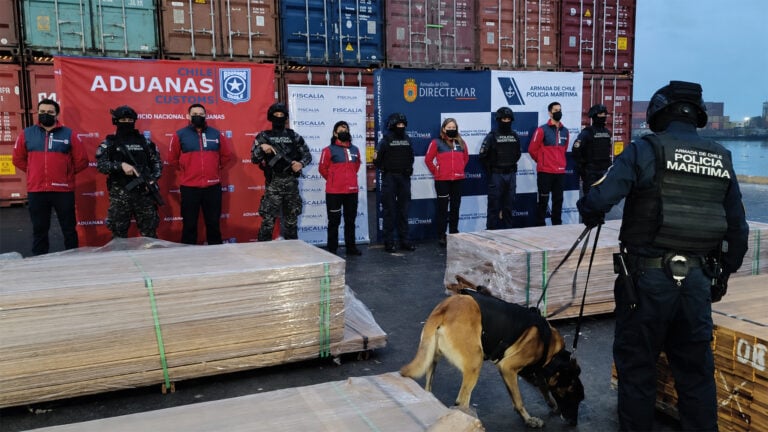
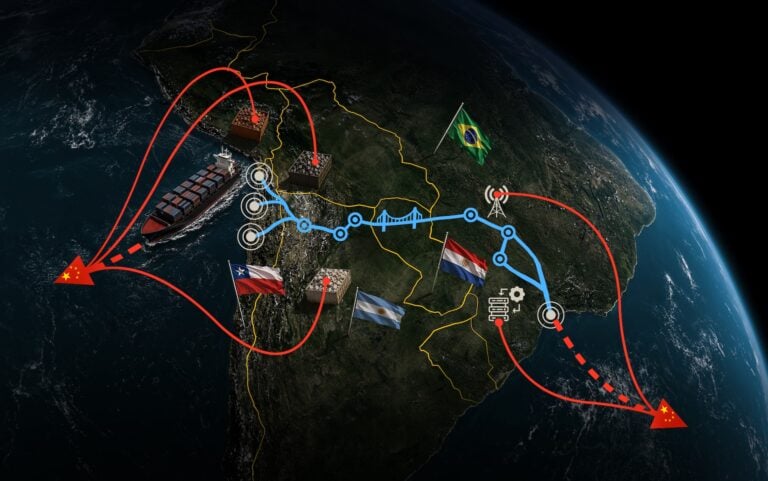
With global consumption of river and marine sand hovering around 50 billion tons per year, international organizations such as the United Nations Environment Programme (UNEP) have long warned of the risk of depletion and the serious environmental consequences tied to its growing scarcity. In this context, China stands as the [ … ]
Lessons from Maritime Interdictions: What Recent Cases Revealed About Illicit Shipping Networks
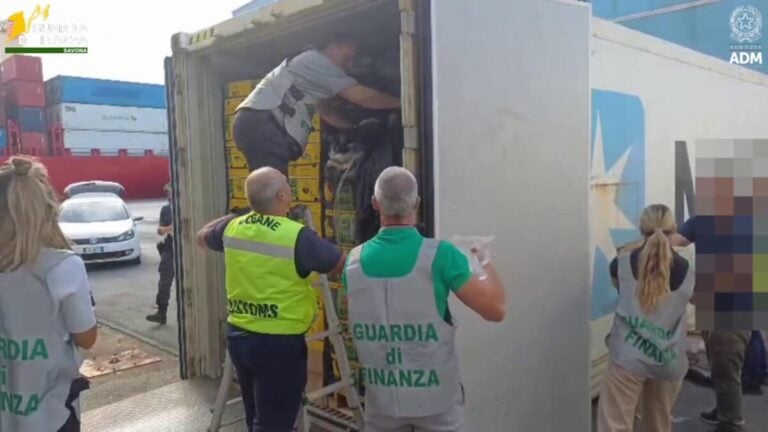
Recent maritime interdictions in the Caribbean and Atlantic are providing new insight into how illicit shipping networks operate across the hemisphere. Beyond the vessels themselves, recent cases have revealed complex systems of intermediaries, shell companies, changing registries, deceptive routing practices, and covert logistics structures designed to conceal responsibility and complicate [ … ]
Building Trust in Uniform: Restoring Security and State Presence in Haiti
As Haiti’s security and humanitarian challenges continue, the country faces the difficult task of reducing violence while rebuilding public trust in state institutions. Armed groups have expanded presence in large portions of the capital, Port-au-Prince, contributing to large-scale displacement and disruptions to daily life, supply routes, and access to food, [ … ]
The Shadow of Russia and Iran in Venezuela
Venezuela’s recent diplomatic realignment with the United States has forced Russia and Iran — along with longtime regional ally Cuba — to reposition their influence operations after losing one of their most important footholds in Latin America. Today, however, these campaigns have become increasingly more sophisticated and harder to counter [ … ]
Suriname, South Dakota Guard Conclude Operation Rumble in the Jungle
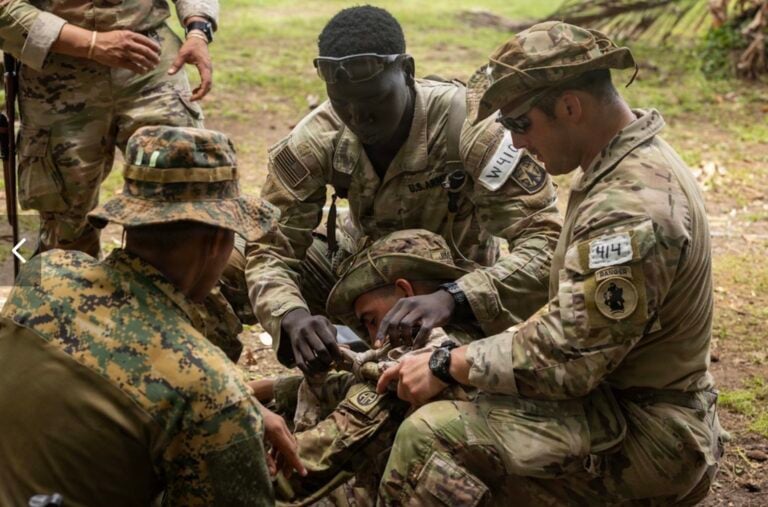
South Dakota National Guard soldiers and their Suriname partners concluded Operation Rumble in the Jungle, a joint exercise that included testing the forces’ ability to operate together in demanding jungle conditions. “The highly successful Rumble in the Jungle joint exercise marks a significant milestone in the State Partnership Program between [ … ]
ILEA San Salvador: Building the Networks Behind the Fight Against Organized Crime
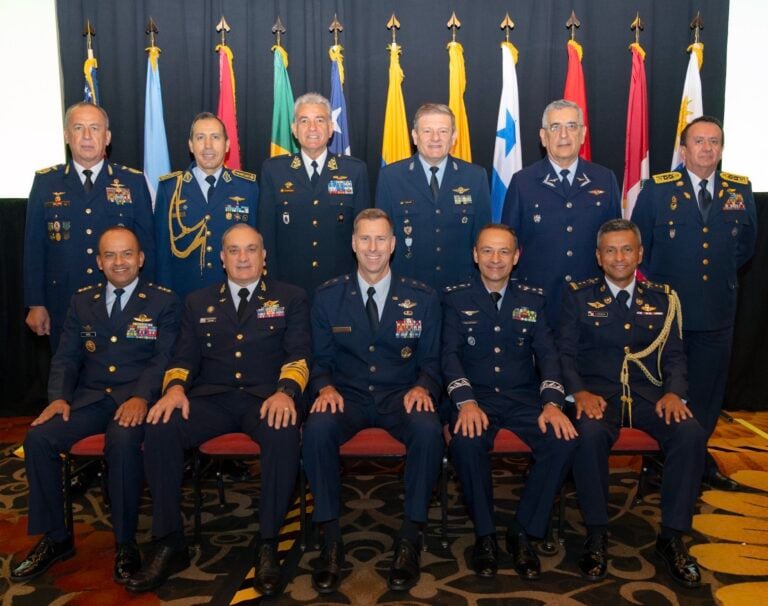
As transnational criminal organizations grow more adaptive, technologically sophisticated, and interconnected, countries across Latin America and the Caribbean face a common challenge: how to respond in a coordinated and effective way. Increasingly, that response depends not only on national capabilities, but also on the ability to work across borders, share [ … ]
From Rivers to Networks: Confronting Transnational Organized Crime in the Amazon Basin
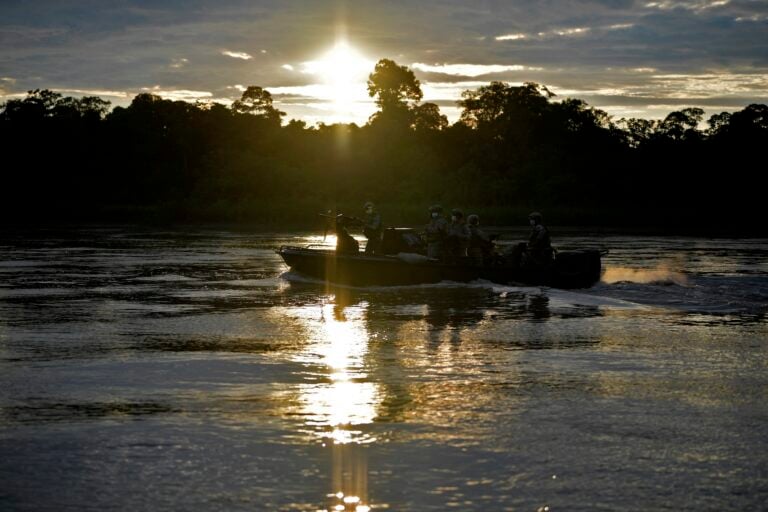
In response to the growing reach and sophistication of transnational criminal organizations (TCOs) across Latin America, governments in the region are strengthening cooperation to better disrupt these networks and their illicit activities. As criminal groups operate across borders and diversify their portfolio — from drug to environmental crimes — isolated [ … ]
Coordinated Operations Reshape Ecuador’s Approach to Transnational Crime
Recent maritime and investigative operations have highlighted a shift in how Ecuador is confronting transnational criminal organizations (TCOs), with authorities placing greater emphasis on coordinated efforts across national and international partners. As criminal networks continue to operate across borders and domains, Ecuador has begun restructuring how it integrates military, police, [ … ]
Tracking the Shadow Fleet: How Maritime Enforcement Is Evolving in the Hemisphere
Illicit maritime networks operating across the Western Hemisphere are becoming increasingly sophisticated. No longer relying solely on isolated smuggling vessels or covert nighttime movements, sanctioned actors and transnational criminal organizations (TCOs) now operate through complex maritime structures designed to obscure ownership, conceal cargo origins, and exploit legal and regulatory gaps [ … ]