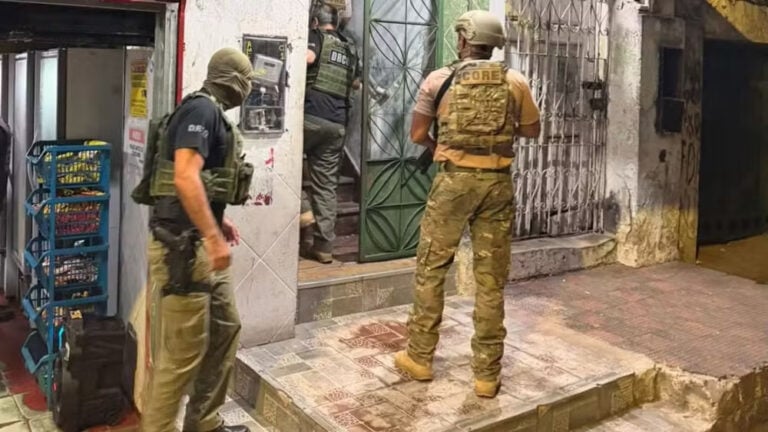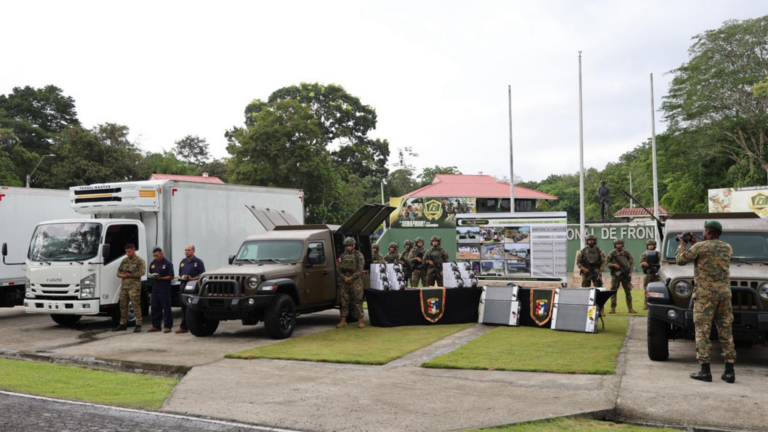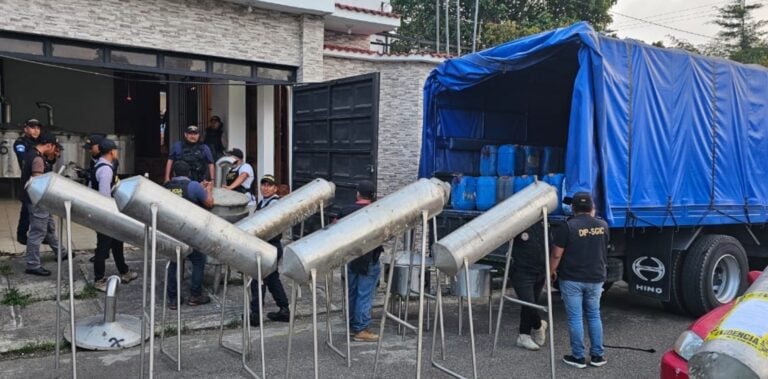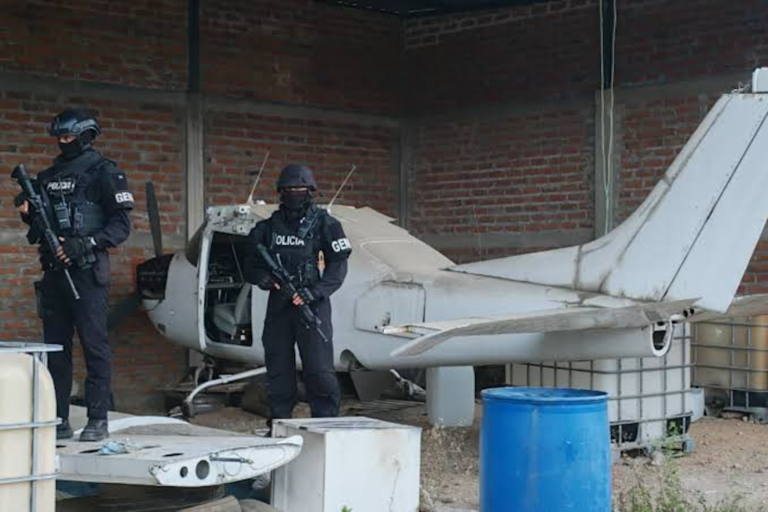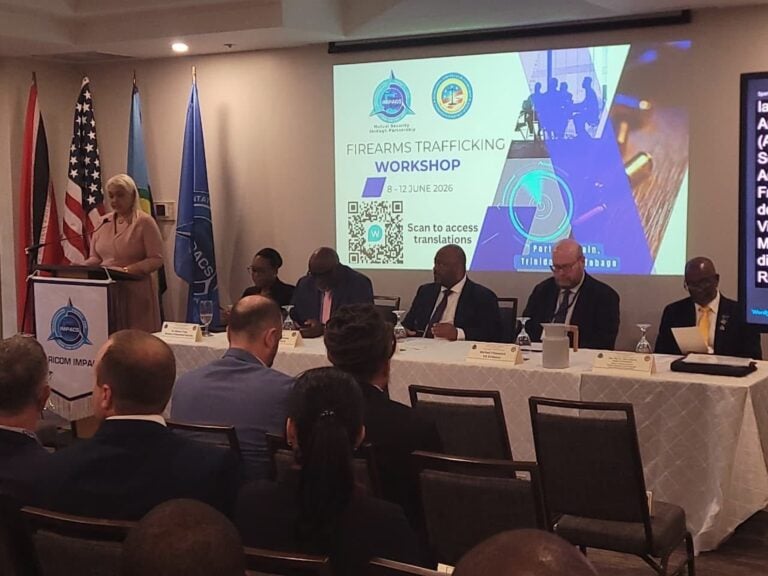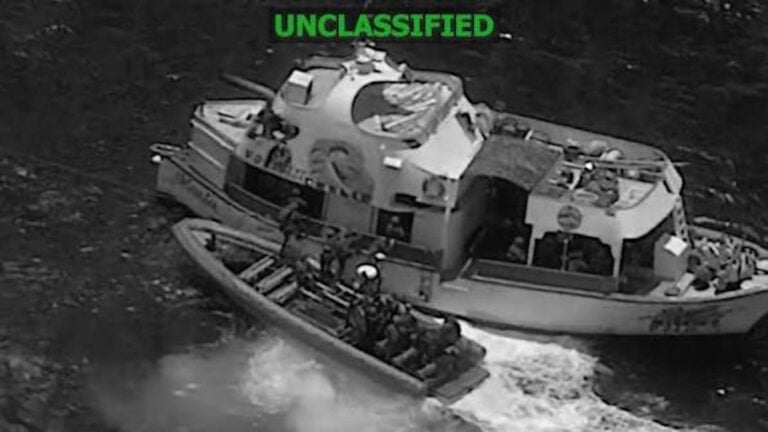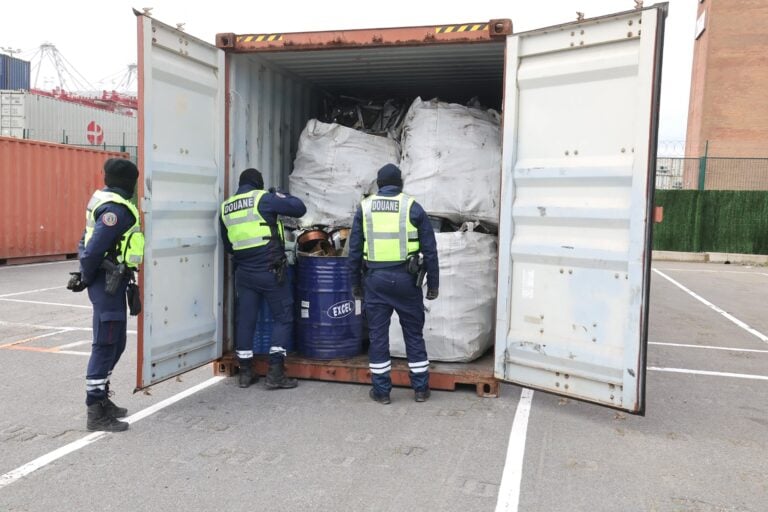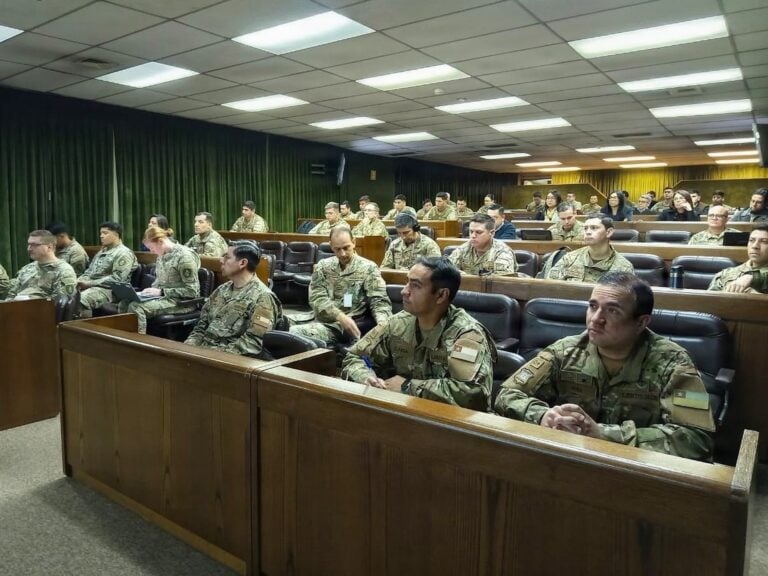
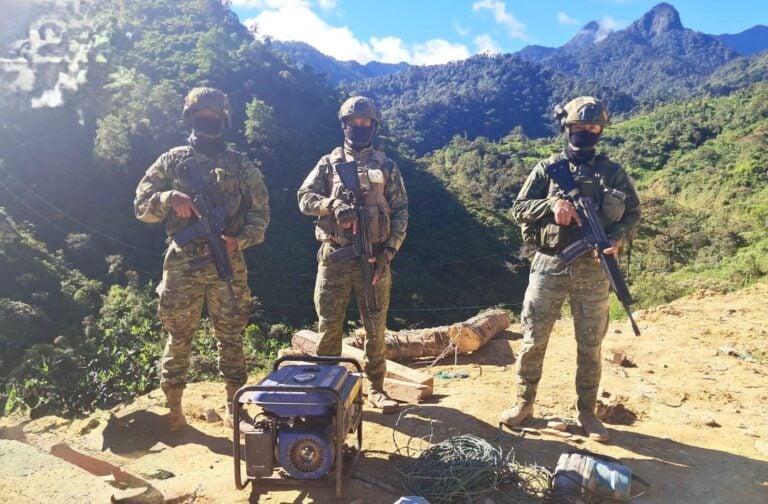
For transnational criminal organizations, Ecuador’s northern border remains a strategic corridor for drug trafficking, illicit arms trafficking, illegal mining, and other illicit economies. The Secure Border strategy, developed by Ecuador and the United States, seeks to reduce those opportunities by integrating intelligence, risk analysis, interagency coordination, and operational capabilities while supporting legitimate trade and strengthening security for border communities. Ecuador…
Browsing: News
Transnational Crime
Transnational Crime Tren de Aragua’s Expansion in Brazil: Criminal Adaptation, Strategic Alliances, and a New Security Challenge
The expansion of Tren de Aragua (TdA), the Venezuelan criminal organization that consolidated in Tocorón prison during the 2010s, has now reached Brazil. Designated a transnational terrorist organization by several countries in the region, the group is currently present across much of the hemisphere, as well as in Europe. Initially, the group established itself along the border in the state…
Emerging Threats Panama Strengthens Maritime, Border, and Cybersecurity Capabilities with US Support
Panama continues to strengthen its security forces’ ability to monitor its land borders, maritime domain, and digital networks in a more coordinated manner to counter threats posed by transnational organized crime. As part of that effort, the United States delivered more than $5 million in maritime, border, and cybersecurity equipment in June to Panama’s National Border Service (SENAFRONT) and National…
Transnational Crime Guatemala’s Drug Route: The New Geography of Organized Crime
Although Guatemala remains one of Central America’s main cocaine transit countries, it is playing an increasingly strategic role in regional synthetic drug supply chains, reflecting the transformation of global drug trafficking. Its location along major regional and international trade routes has made it a link between Asian producers of chemical precursors, clandestine laboratories in Mexico, and the North American market.…
Transnational Crime CJNG Networks Face Coordinated Pressure Across the Hemisphere
Designated by the United States as a Foreign Terrorist Organization (FTO) in February 2025, the Jalisco New Generation Cartel (CJNG) has continued to project its influence beyond Mexico’s borders, even after its longtime leader, Nemesio Oseguera Cervantes, alias El Mencho, was killed on February 22, 2026, in an operation by Mexican Army Special Forces (SEDENA) in Tapalpa, Jalisco state. The…
Transnational Crime Caribbean Integrates Citizen Reporting into Regional Intelligence
Criminal organizations operating in the Caribbean exploit maritime routes, illicit markets, and multiple jurisdictions to move drugs, weapons, and other illegal goods. Against networks that operate across national borders, information provided by local communities can become an operational asset when it is protected, evaluated, and connected with data from other countries. With that goal in mind, the Caribbean Community Implementation…
Strategic Influence Securing the Supply Chain: China’s Critical Minerals Network and the Security Risks for the Americas
According to the International Energy Agency (IEA), global demand for critical minerals is expected to grow by more than 6 percent annually through 2030, driven by the energy transition, the digitalization of economies, and intensifying technological competition among major powers. In this context, Latin America occupies a pivotal position: The region holds around half of the world’s lithium reserves, more…
Transnational Crime Ecuador, US Target Los Choneros’ Maritime Logistics in Eastern Pacific
Six maritime interdictions in less than two weeks in the Eastern Pacific are putting the spotlight on a critical part of Los Choneros’ drug trafficking infrastructure: the vessels that supply criminal networks at sea and allow them to operate across vast stretches of ocean. On August 28 and September 2, 3, 5, 7, and 8, U.S. forces interdicted Ecuadorian vessels…
Emerging Threats Central America Strengthens Aerial Surveillance Against Transnational Crime
Central American security forces are incorporating unmanned aerial systems and intelligence, surveillance, and reconnaissance (ISR) capabilities to counter increasingly mobile and technologically sophisticated criminal organizations. These tools expand surveillance over borders, coastlines, and remote forested areas, at a time when criminal networks themselves are also using drones to monitor their surroundings, transport illicit goods, and support other illegal activities. Situational…
Transnational Crime Colombia Targets Criminal Corridors Along Its Caribbean Coast
Recent Colombian Army operations in northern Colombia underscore the Caribbean’s strategic importance to the criminal organizations operating in the country. Controlling coastal corridors, transportation routes, and maritime departure points remains one of these groups’ primary objectives, while the Colombian government combines intelligence, sustained territorial presence, and international cooperation to restrict their freedom of movement. On June 15, the Colombian Army…
Transnational Crime Maritime Intelligence Tightens the Net on Drug Trafficking Routes
Every year, tons of cocaine cross the Atlantic concealed within legitimate cargo. To detect these shipments before they reach their destination, authorities increasingly rely on maritime intelligence sharing — a key tool for identifying suspicious vessels and tracking the criminal networks that exploit international trade routes. An analysis by EU Today examined drug trafficking cases involving refrigerated cargo vessels and…
Security & Cooperation Chile, US Strengthen Geospatial Capabilities for Combined Operations
The Chilean Army and U.S. Army Western Hemisphere Command (USAWHC) strengthened their geospatial capabilities and interoperability during a three-day exchange in Santiago, Chile, focused on how geographic information and data collection can support operational and tactical planning. Geospatial experts from the Chilean Army’s Military Geographic Institute and USAWHC’s 512th Engineer Detachment Geospatial Planning Cell, G-37 Engineer Directorate, and G-2 Intelligence…