Following the Money: Guatemala Joins Hemispheric Push Against Organized Crime FinancesTransnational Crime

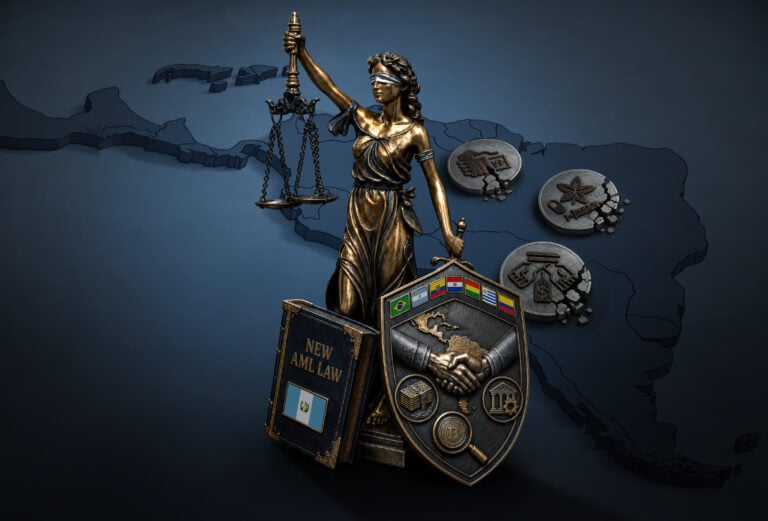
Following the Money: Guatemala Joins Hemispheric Push Against Organized Crime Finances

The fight against transnational organized crime in Latin America and the Caribbean is entering a new phase. Beyond capturing kingpins or seizing drugs, governments are increasingly focusing their efforts on identifying, tracing, and dismantling the financial structures that sustain criminal organizations. That shift was reflected in Guatemala with the September entry into force of the Comprehensive Law for the Prevention…

Cryptocurrencies and Organized Crime: The New Front in Latin America’s Financial FightEmerging Threats

Cryptocurrencies and Organized Crime: The New Front in Latin America’s Financial Fight

Created to enable fast digital transactions without traditional intermediaries, cryptocurrencies have become an increasingly popular tool for criminal organizations to move funds globally through complex digital financial architectures, making it ever more difficult for authorities to trace illicit money. Innovation has also reached cryptocurrency mining, the process by which specialized computer systems validate transactions on certain blockchains — the decentralized…

Ecuador Tightens Regional Net Around Transnational Organized CrimeTransnational Crime

Ecuador Tightens Regional Net Around Transnational Organized Crime

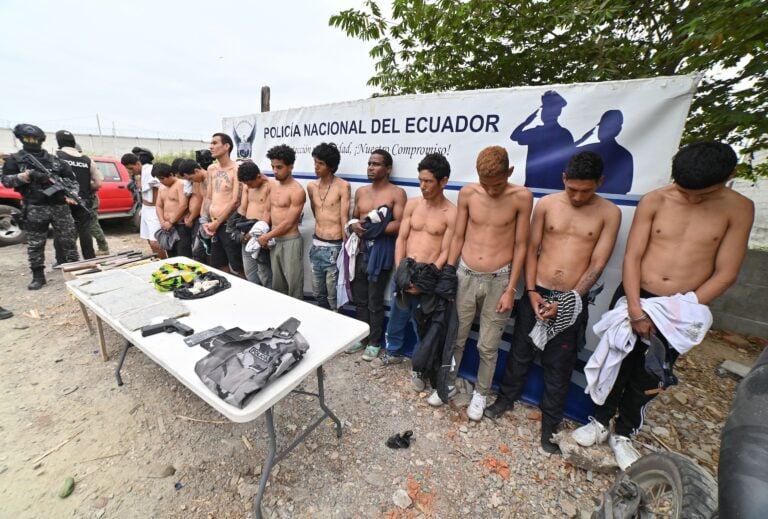
The capture in Colombia of Ronald Javier Macías Villamar, alias Javi, an alleged leader of the Los Choneros terrorist organization, demonstrated the operational reach of Ecuador’s cooperation with its regional partners against transnational organized crime. The intelligence sharing that led authorities to locate him in Bogotá is part of a series of bilateral and regional mechanisms through which Ecuador seeks…

China’s AI Expansion in Latin America: Security RisksStrategic Influence

China’s AI Expansion in Latin America: Security Risks

Artificial intelligence (AI) has become a key instrument of China’s strategic projection in Latin America. Beyond expanding AI applications, Beijing is seeking to expand its presence in the infrastructure that supports them, including data centers, cloud services, and telecommunications networks. The concern is that its growing control over these assets could strengthen China’s intelligence and defense capabilities, expand its influence…

Terrorist Designations Increase Pressure on Criminal Networks in EcuadorTransnational Crime

Terrorist Designations Increase Pressure on Criminal Networks in Ecuador

Ecuador and the United States continue to expand the tools available to confront transnational criminal organizations and the networks that sustain their operations within and beyond the country. As authorities intensify actions against these organizations, new terrorist designations are strengthening the legal and financial tools available to target their resources and support networks. Among them are the U.S. designations of…

Brazil, US Strengthen Fight Against Transnational Crime Through Intelligence SharingSecurity & Cooperation

Brazil, US Strengthen Fight Against Transnational Crime Through Intelligence Sharing

Transnational organized crime networks increasingly operate through logistics, financial, and commercial chains that span multiple countries and jurisdictions. In response, Brazil and the United States, which have a long-standing partnership in the fight against transnational crime, have deepened intelligence sharing, risk analysis, and operational coordination to anticipate threats and strengthen their ability to respond across borders. As part of these…

Guatemala, US Elite Forces Partnership Strengthens Fight Against Transnational CrimeSecurity & Cooperation

Guatemala, US Elite Forces Partnership Strengthens Fight Against Transnational Crime

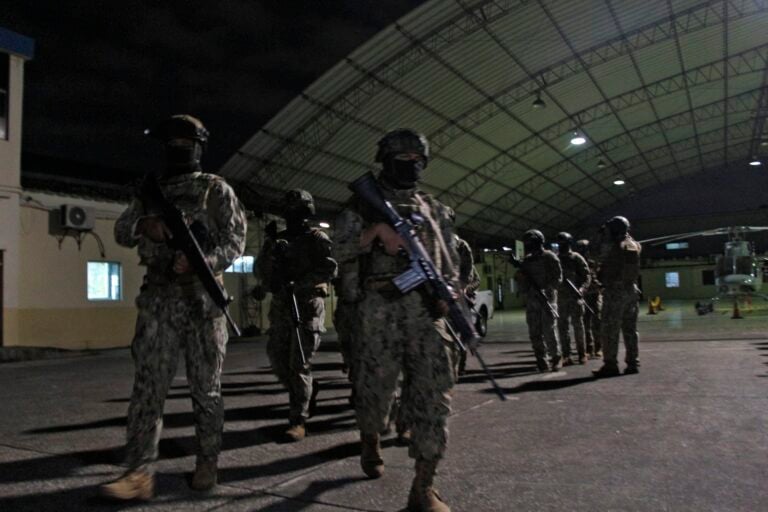
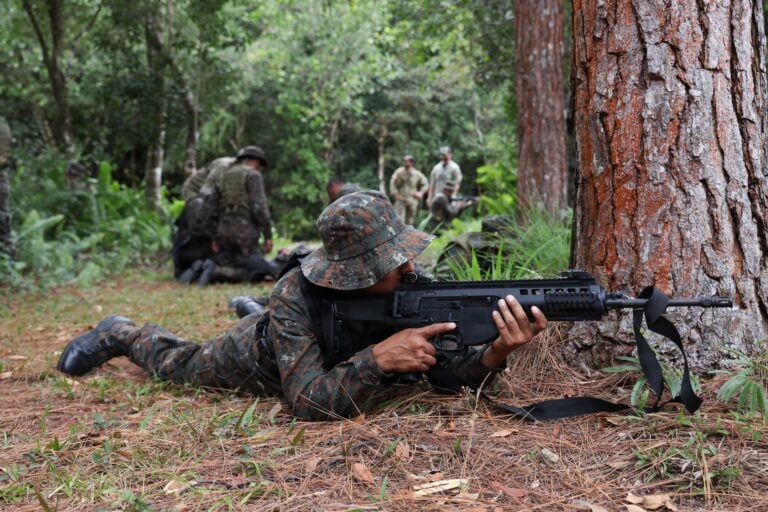
As transnational criminal organizations (TCOs) become increasingly sophisticated, Guatemala continues to strengthen its special operations capabilities through sustained cooperation with U.S. special operations forces. That strategic partnership was demonstrated during a March 2026 exercise in Poptún, Petén Department, where U.S. Army Green Berets assigned to the 7th Special Forces Group (Airborne) trained alongside personnel from the Guatemalan Army’s Naval Special…

Brazilian Criminal Networks Deepen Their Reach into Peruvian AmazonTransnational Crime

Brazilian Criminal Networks Deepen Their Reach into Peruvian Amazon

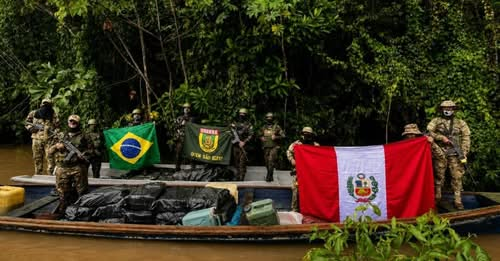
Brazil’s two largest criminal organizations, the First Capital Command (PCC) and the Red Command (CV), have expanded their transnational reach by building relationships with local criminal groups and gaining access to different stages of the cocaine supply chain. In the tri-border region connecting the Colombian, Peruvian, and Brazilian Amazons, the most visible expansion has been that of CV, which has…

South American Countries Join Forces to Counter Expansion of Criminal NetworksTransnational Crime

South American Countries Join Forces to Counter Expansion of Criminal Networks

Transnational criminal organizations are expanding across Latin America at a pace that increasingly challenges the ability of individual countries to respond. They manage integrated illicit supply chains, control logistics corridors that span multiple borders, and exploit differences in national legislation, judicial systems, and border controls, making purely national responses increasingly inadequate. The 2025 Global Organized Crime Index ranks several South…

Cross-Border Alliances Link Colombia’s Cocaine Corridors to Ecuador’s Criminal NetworksTransnational Crime

Cross-Border Alliances Link Colombia’s Cocaine Corridors to Ecuador’s Criminal Networks

The Colombian armed group Comandos de La Frontera (CDF) has expanded its relationships and logistical networks in Ecuador through an alliance with Ecuadorian gang Los Lobos. Together, the groups have become part of a transnational criminal system that moves cocaine and other illicit goods between southern Colombia, Ecuador’s Amazon region, and ports on the Pacific coast. The CDF emerged following…

Regional Partners Integrate Intelligence and Capabilities Against Transnational Criminal NetworksSecurity & Cooperation

Regional Partners Integrate Intelligence and Capabilities Against Transnational Criminal Networks

Countries across Latin America and the Caribbean are strengthening intelligence sharing, interoperability, and operational planning to confront transnational criminal organizations operating across borders and maritime routes. A new U.S. Southern Command (SOUTHCOM) structure seeks to support those efforts and help turn available information and capabilities into coordinated operations. Joint Task Force-Western Hemisphere (JTF-WHEM), activated on August 4, 2026, provides unified…

Following the Data, Not Just the Money: New Tools to Target Transnational Crime FinancesEmerging Threats

Following the Data, Not Just the Money: New Tools to Target Transnational Crime Finances

Transnational criminal organizations are increasingly sophisticated in the ways they conceal illicit proceeds, combining cryptocurrencies, digital platforms, and traditional financial systems. In response, authorities across the hemisphere are strengthening their investigative capabilities. One recent case emerged in Chile, where an investigation dismantled a network linked to the Tren de Aragua that allegedly moved millions of dollars through cryptoassets, front companies,…