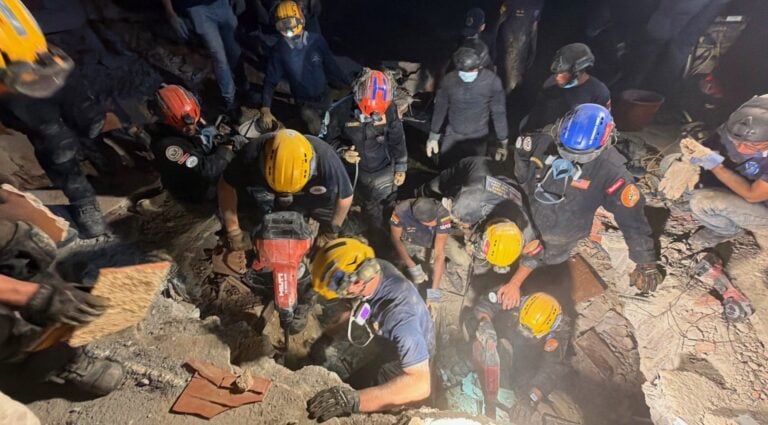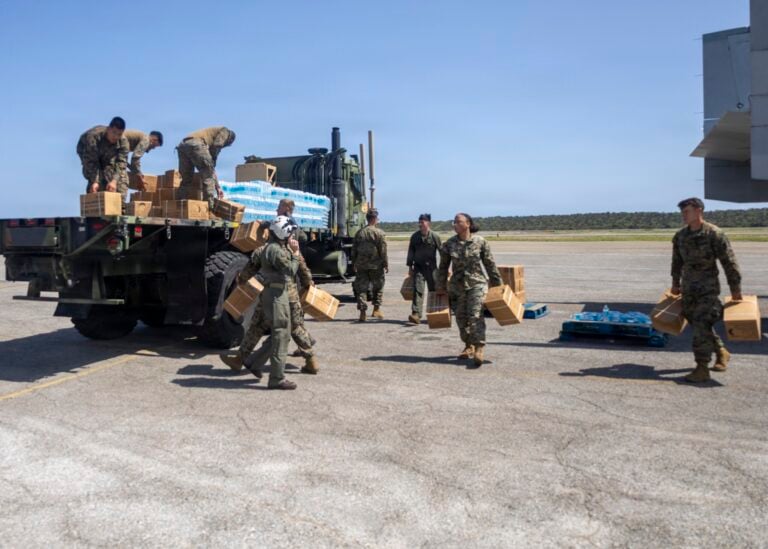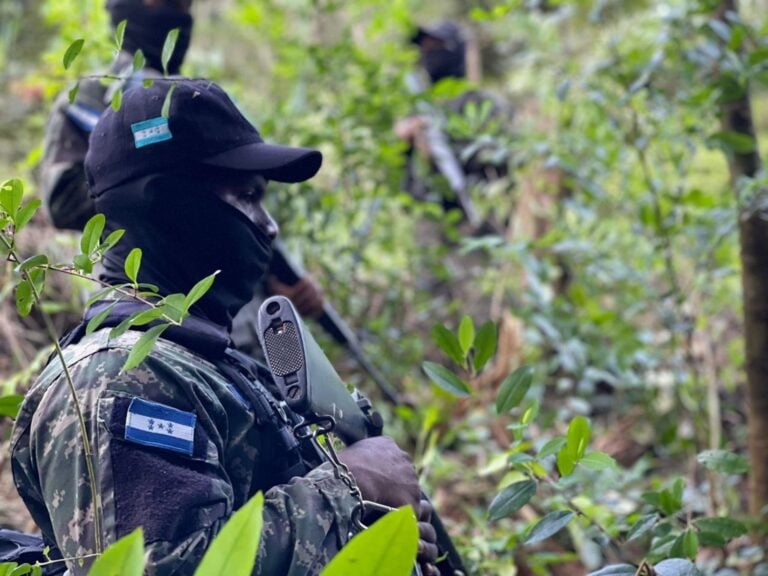
In recent years, organized crime in Latin America has undergone significant transformations driven in part by sustained pressure from security forces. Criminal organizations across the region have adapted by fragmenting their structures, incorporating advanced technologies, diversifying illicit operations, and strengthening transnational connections. These evolving dynamics are reshaping the regional security environment and complicating efforts to combat organized crime. Evolution of…
Browsing: News
Transnational Crime
Security & Cooperation Ecuador and Kentucky National Guard Mark 30 Years of Partnership During Exercise EL GATO
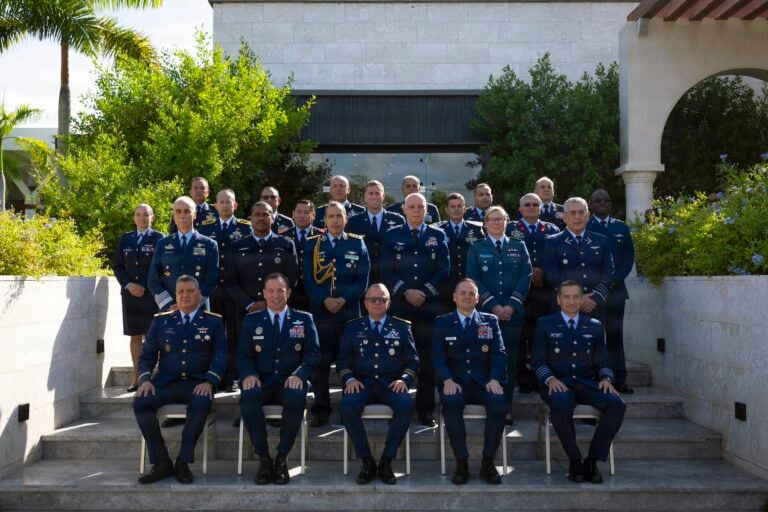
Ecuadorian Army, Navy, and Air Force personnel trained alongside members of the Kentucky Army National Guard during Exercise EL GATO in Salinas, Ecuador, May 10–19, marking the 30th anniversary of the partnership between Ecuador and Kentucky under the State Partnership Program (SPP). The exercise brought together military police and security personnel from both partners to strengthen interoperability, exchange operational experiences,…
Strategic Influence Chinese Projects’ Rapid Pace Raises Oversight and Security Concerns in Latin America
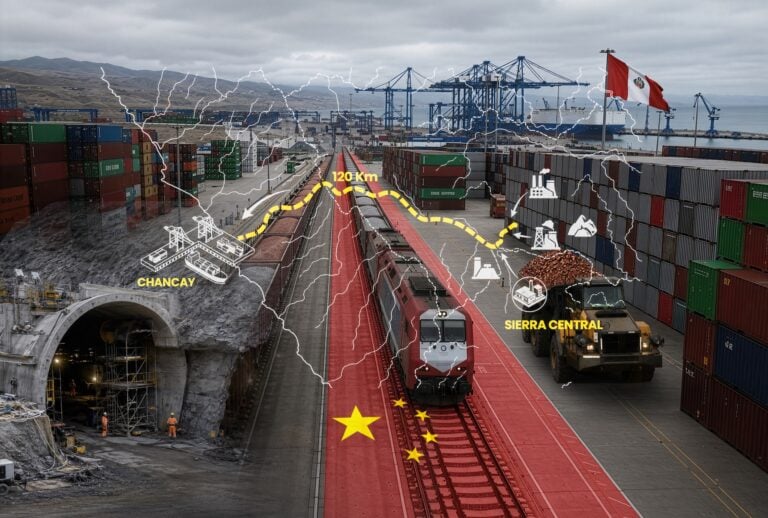
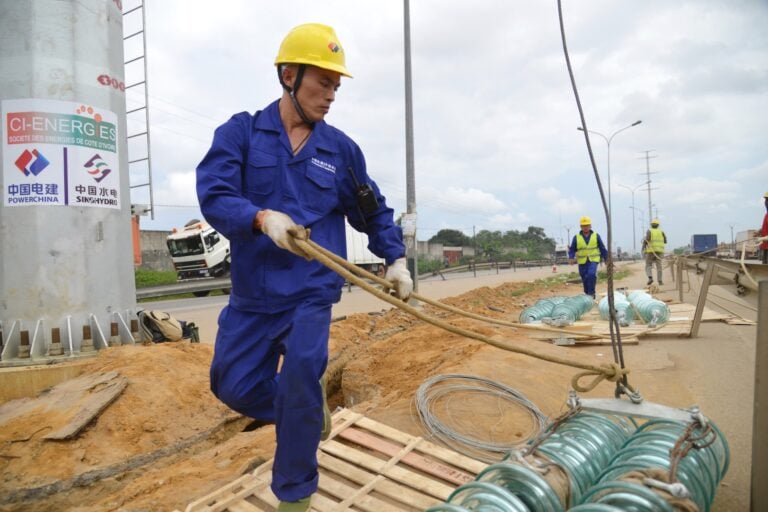
The accelerated implementation of China-linked infrastructure projects across Latin America is increasingly challenging institutional oversight mechanisms during execution. This model, which prioritizes rapid delivery, often compresses evaluation and monitoring processes, affecting transparency and long-term sustainability. In countries facing institutional and oversight challenges, analysts warn that accelerated implementation can reduce opportunities for technical review, public scrutiny, and comprehensive oversight. While accelerated…
Central America US Service Members Provide Care to Azuero Panama in Collaboration with Juntos por la Salud
A team of U.S. service members conducted a three-day humanitarian mission to Azuero, May 19-21, providing medical care to local communities across the Panamanian province. The mission aimed to improve access to health care for remote communities while giving U.S. personnel valuable experience operating in isolated environments. “The Panamanian government selected the Azuero Peninsula due to its remote communities in…
Transnational Crime Persistent Vigilance: Maritime Enforcement Adapts to Evolving Threats at Sea
Maritime security forces across the Western Hemisphere are operating in an increasingly complex environment where illicit actors continuously adapt their methods to evade detection at sea. From narcotrafficking operations using decentralized logistics to deceptive maritime practices associated with sanctions-evasion vessels, authorities across the region are confronting maritime threats that are more dispersed, flexible, and difficult to identify than in previous…
Emerging Threats Chinese EVs in Brazil: Connectivity, Data, and Strategic Risks
The expansion of Chinese electric vehicles (EVs) in Brazil continues to accelerate, fueling growing concerns related to cybersecurity and the possible dual-use — civilian and strategic — nature of the technologies integrated into these vehicles. Unlike traditional automobiles, modern EVs increasingly function as mobile digital platforms capable of collecting, processing, and transmitting vast amounts of sensitive data in real time.…
Transnational Crime Mexican Cartels’ Regional Networks Challenge Security Across Latin America
The expansion of Mexican cartels across Latin America is no longer defined solely by the movement of drugs. Increasingly, organizations such as the Sinaloa Cartel and Jalisco New Generation Cartel (CJNG) are embedding themselves into regional criminal ecosystems through alliances, logistics networks, corruption, and control of strategic infrastructure, creating security challenges that extend far beyond narcotics trafficking. As such, the…
Transnational Crime Haiti Enhances Operational Response with Gang Suppression Force
The deployment of the Gang Suppression Force (GSF) marks a shift in how security operations are conducted in Haiti, introducing a more robust, coordinated approach to confronting heavily armed gangs that control large areas of the country. Backed by international partners, the force is designed to operate with greater scale, mobility, and tactical capability than previous efforts. The GSF “represents…
Security & Cooperation Antigua and Barbuda Strengthens Maritime Security in the Eastern Caribbean
Security cooperation between Antigua and Barbuda and the United States is strengthening maritime interdiction and surveillance capabilities in the Eastern Caribbean, a region frequently used by drug trafficking networks. Supported by multinational exercises, technical assistance, and intelligence sharing, these efforts are enhancing the country’s operational readiness and deepening its integration into the regional security framework. Antigua and Barbuda, located along…
Strategic Influence China Expands Undersea Mapping for Strategic Advantage and Critical Resources
China is carrying out an expansive effort to strengthen its position across the world’s oceans, driven by both strategic military interests and the search for critical seabed resources. Recent investigations and maritime tracking data indicate that Beijing has deployed a broad network of underwater mapping and surveillance activities spanning the Pacific, Indian, and Arctic oceans. Analysts say the information collected…
Transnational Crime Cooperation and Integration Strengthen Jamaica’s Maritime Security
Jamaica’s approach to maritime security has become a key example of how interagency coordination, integrated capabilities, and cooperation with regional partners can strengthen responses to transnational organized crime in the Caribbean. This strategy combines intelligence sharing, maritime domain awareness, surveillance, and joint operational action to improve the detection and interdiction of illicit maritime activity. Maritime interdiction: A blow to drug…
Transnational Crime Jalisco New Generation Cartel Expands Illegal Mercury Trafficking in South America
Illegal mercury trafficking is emerging as one of the newest and most lucrative criminal frontiers for the Jalisco New Generation Cartel (CJNG), which in recent years has expanded its activities far beyond drug trafficking. Mercury is essential for illegal gold extraction, used to separate the precious metal from soil and sediment in alarming proportions: on average, nearly 2.5 tons of…