Secure Border Strategy Strengthens Ecuador’s Border Security

Secure Border Strategy Strengthens Ecuador’s Border Security

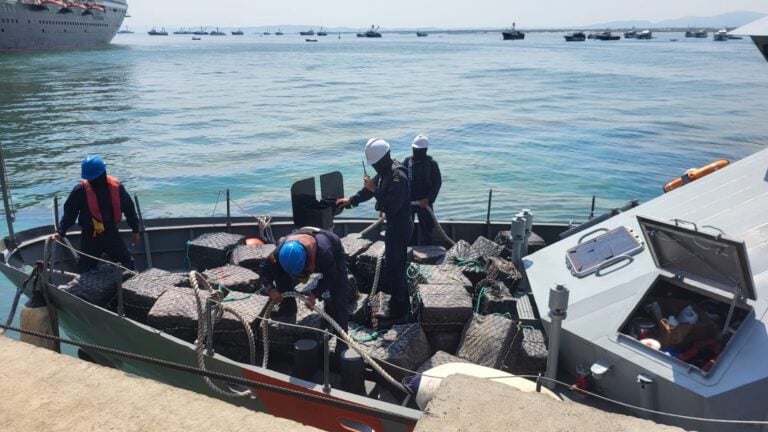
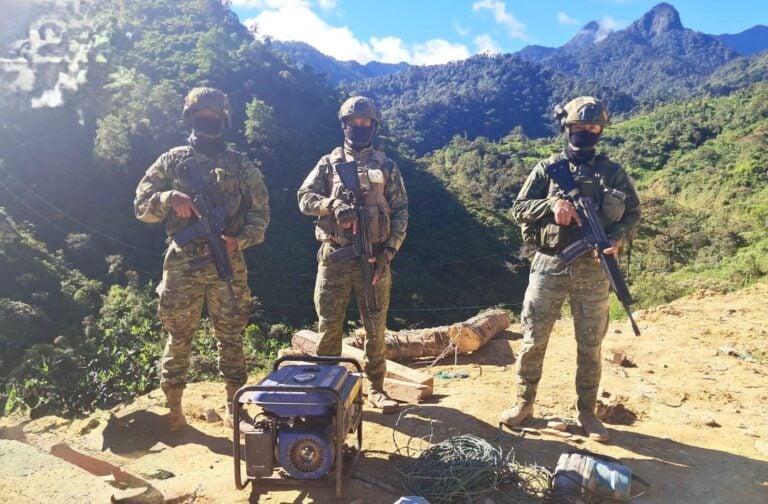
For transnational criminal organizations, Ecuador’s northern border remains a strategic corridor for drug trafficking, illicit arms trafficking, illegal mining, and other illicit economies. The Secure Border strategy, developed by Ecuador and the United States, seeks to reduce those opportunities by integrating intelligence, risk analysis, interagency coordination, and operational capabilities while supporting legitimate trade and strengthening security for border communities. Ecuador…

Tren de Aragua’s Expansion in Brazil: Criminal Adaptation, Strategic Alliances, and a New Security Challenge

Tren de Aragua’s Expansion in Brazil: Criminal Adaptation, Strategic Alliances, and a New Security Challenge

The expansion of Tren de Aragua (TdA), the Venezuelan criminal organization that consolidated in Tocorón prison during the 2010s, has now reached Brazil. Designated a transnational terrorist organization by several countries in the region, the group is currently present across much of the hemisphere, as well as in Europe. Initially, the group established itself along the border in the state…

Panama Strengthens Maritime, Border, and Cybersecurity Capabilities with US Support

Panama Strengthens Maritime, Border, and Cybersecurity Capabilities with US Support

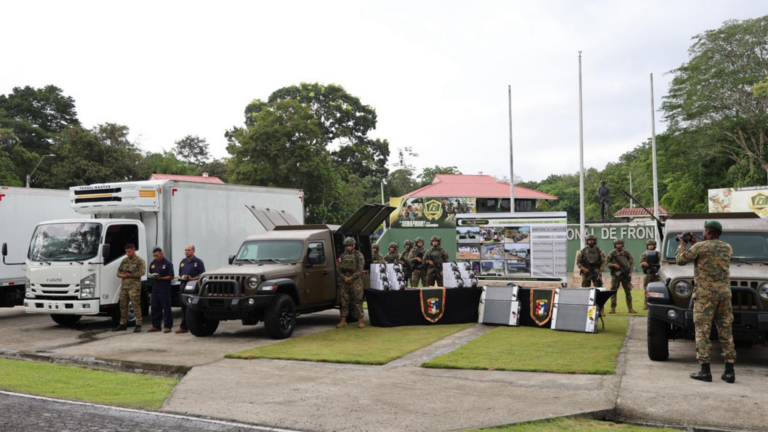
Panama continues to strengthen its security forces’ ability to monitor its land borders, maritime domain, and digital networks in a more coordinated manner to counter threats posed by transnational organized crime. As part of that effort, the United States delivered more than $5 million in maritime, border, and cybersecurity equipment in June to Panama’s National Border Service (SENAFRONT) and National…

Guatemala’s Drug Route: The New Geography of Organized Crime

Guatemala’s Drug Route: The New Geography of Organized Crime

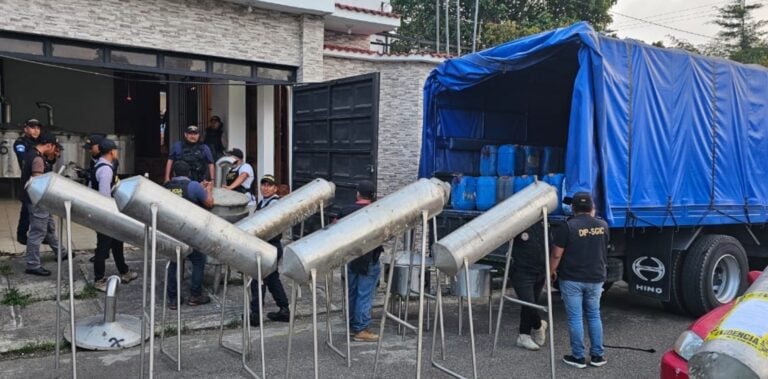
Although Guatemala remains one of Central America’s main cocaine transit countries, it is playing an increasingly strategic role in regional synthetic drug supply chains, reflecting the transformation of global drug trafficking. Its location along major regional and international trade routes has made it a link between Asian producers of chemical precursors, clandestine laboratories in Mexico, and the North American market.…

Adm. Dalle Nogare: “Everything Starts with a Local Initiative”

Adm. Dalle Nogare: “Everything Starts with a Local Initiative”

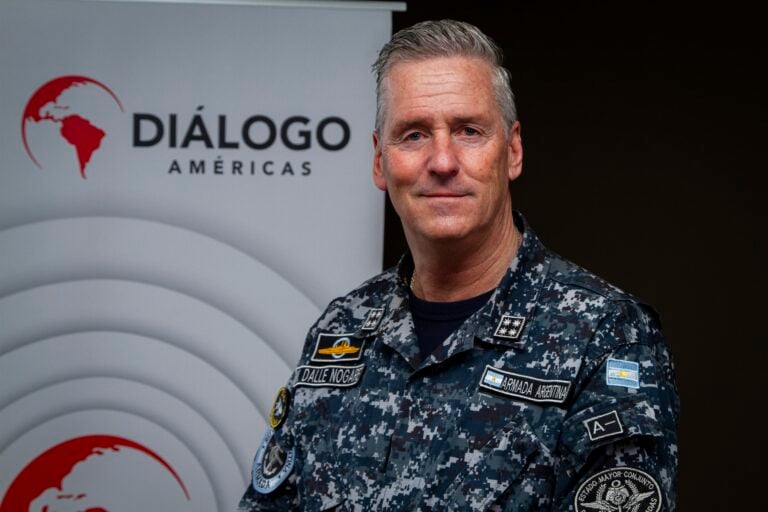
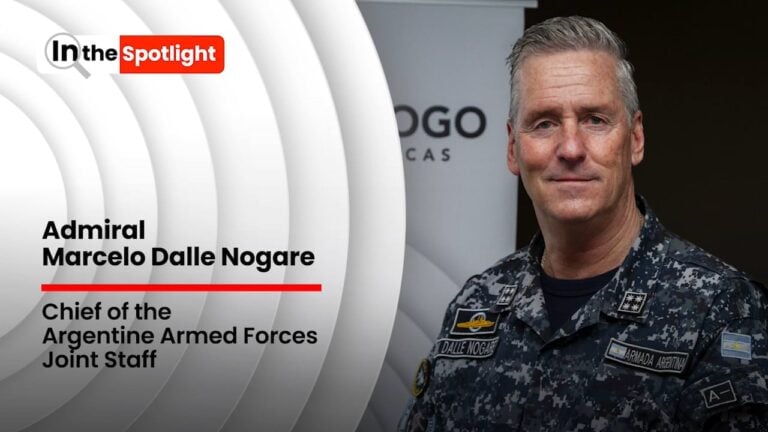
More than three decades of military service have taken Argentine Navy Admiral Marcelo Alejandro Dalle Nogare from command of Argentine Navy units and international naval operations to the highest levels of joint leadership. That trajectory, which includes experience in intelligence, combined operations, and international cooperation, has reinforced a conviction that shapes his view of transnational threats: No country can confront…

Inside the Pacific’s Criminal Network: How Drug Traffickers Exploit Ecuador’s Fishing Infrastructure

Inside the Pacific’s Criminal Network: How Drug Traffickers Exploit Ecuador’s Fishing Infrastructure

The convergence between Mexican cartels and Ecuadorian criminal organizations has evolved from a system of territorial alliances into a more flexible and decentralized transnational logistics network. While Mexican cartels once relied on local groups to move cocaine from the Colombian border to Ecuadorian ports, cooperation increasingly extends along the Eastern Pacific (EPAC) maritime corridor: Ecuadorian groups provide infrastructure, vessels, and…

Inside Hezbollah’s Network in Brazil

Inside Hezbollah’s Network in Brazil

The rapid expansion of Brazil’s major criminal organizations — particularly the recently U.S.-designated Foreign Terrorist Organizations Primeiro Comando da Capital (PCC) and Comando Vermelho (Red Command) — is driving them to collaborate with actors linked to Middle Eastern terrorism, including Lebanon’s Hezbollah. Fueled by billions of dollars in proceeds from drug trafficking and other illicit activities, these groups increasingly rely…

China Expands Its Grip on Latin America’s Strategic Minerals Vital to Defense and Technology

China Expands Its Grip on Latin America’s Strategic Minerals Vital to Defense and Technology

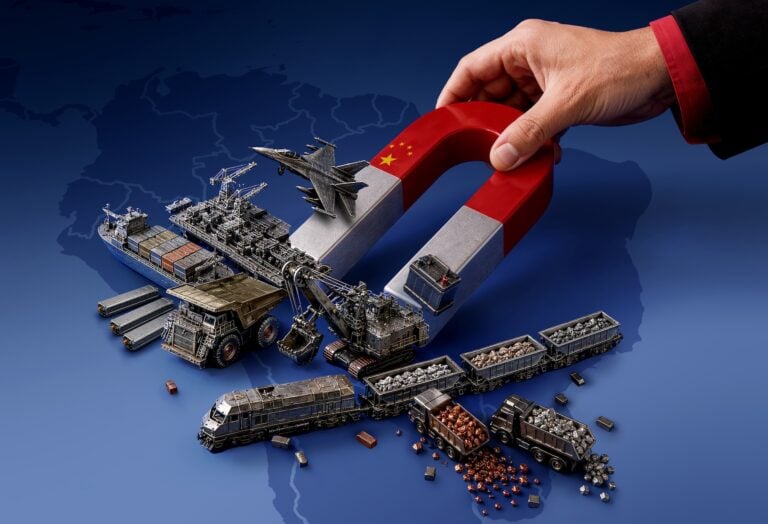
China has steadily expanded its presence in Latin America’s critical minerals sector, investing in lithium, copper, and other resources that underpin advanced technologies, defense systems, semiconductors, and the global energy transition. Accompanied by investments in ports, transportation corridors, and processing facilities, Beijing’s growing footprint in the region has fueled concerns over economic security, strategic dependence, and countries’ ability to retain…

Built in Ecuador for Ecuador’s Fight: The Story Behind the Jaguar-1 Armored Vehicle

Built in Ecuador for Ecuador’s Fight: The Story Behind the Jaguar-1 Armored Vehicle

The Ecuadorian Army has advanced with the first operational unit of the Jaguar-1, a new armored personnel carrier that represents a significant step forward both in the fight against organized crime and in the development of Ecuador’s domestic defense industry. Designed and built in Ecuador, the vehicle was conceived to protect military personnel in increasingly dangerous environments characterized by ambushes,…

Soft Power and Strategic Ports: China’s Expanding Media Presence in Panama

Soft Power and Strategic Ports: China’s Expanding Media Presence in Panama

In recent years, China has paired its economic expansion with growing media and digital influence efforts, using strategic communications to strengthen its presence in key sectors such as ports, telecommunications, energy, and logistics. Through state media, embassies, social media platforms, and local partners, Beijing promotes narratives that portray China as a reliable partner and a driver of development. These campaigns…