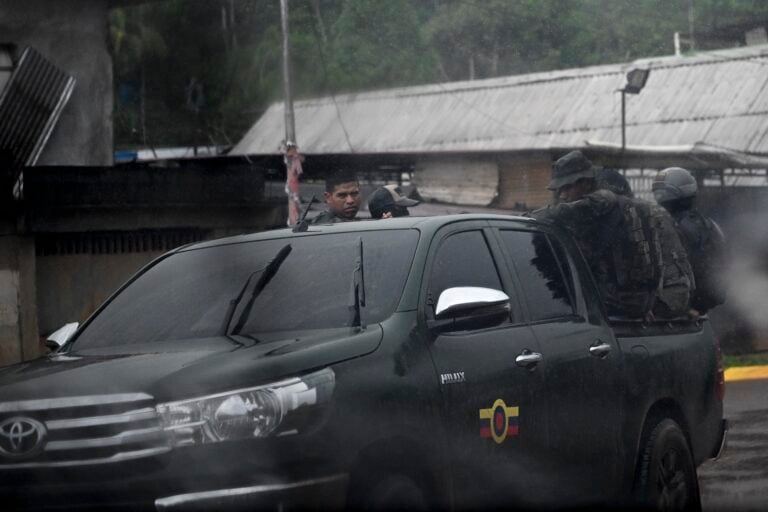
After years without institutional cooperation, Caracas and Washington have begun building a new security relationship. What started as a diplomatic rapprochement has expanded into increasingly visible coordination among judicial authorities, intelligence agencies, and security forces to confront some of the most significant threats facing Venezuela and the region. Within just a few months, that cooperation has already produced tangible results.…
Browsing: Security & Cooperation
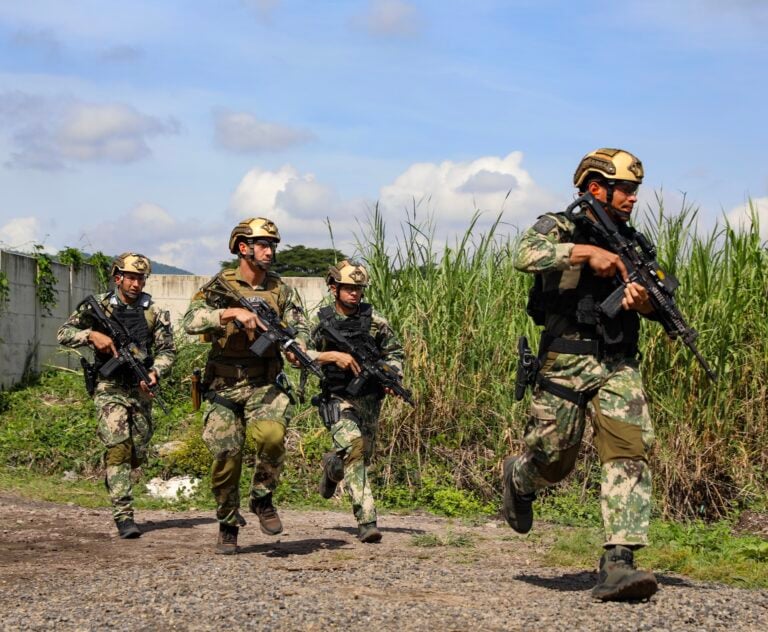
Fuerzas Comando 2026: Building the Partnerships Behind Regional Security
As transnational criminal organizations expand across borders and exploit differences between jurisdictions, countries throughout the hemisphere are increasingly relying on cooperation, interoperability, and trusted partnerships to strengthen their response capabilities. In this environment, Fuerzas Comando has evolved beyond a special operations competition into a platform for building the professional relationships, coordination mechanisms, and operational understanding needed to confront shared security…
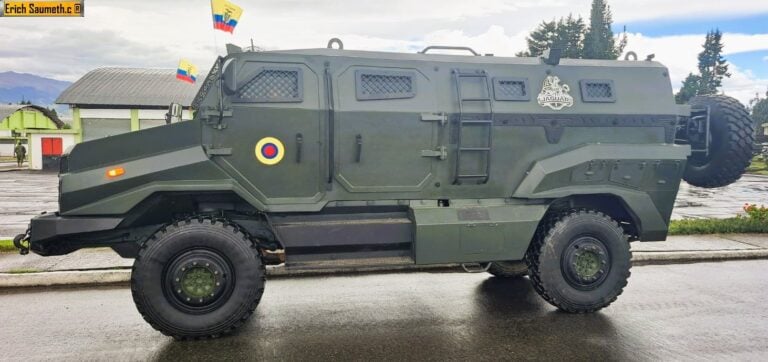
Built in Ecuador for Ecuador’s Fight: The Story Behind the Jaguar-1 Armored Vehicle
The Ecuadorian Army has advanced with the first operational unit of the Jaguar-1, a new armored personnel carrier that represents a significant step forward both in the fight against organized crime and in the development of Ecuador’s domestic defense industry. Designed and built in Ecuador, the vehicle was conceived to protect military personnel in increasingly dangerous environments characterized by ambushes,…
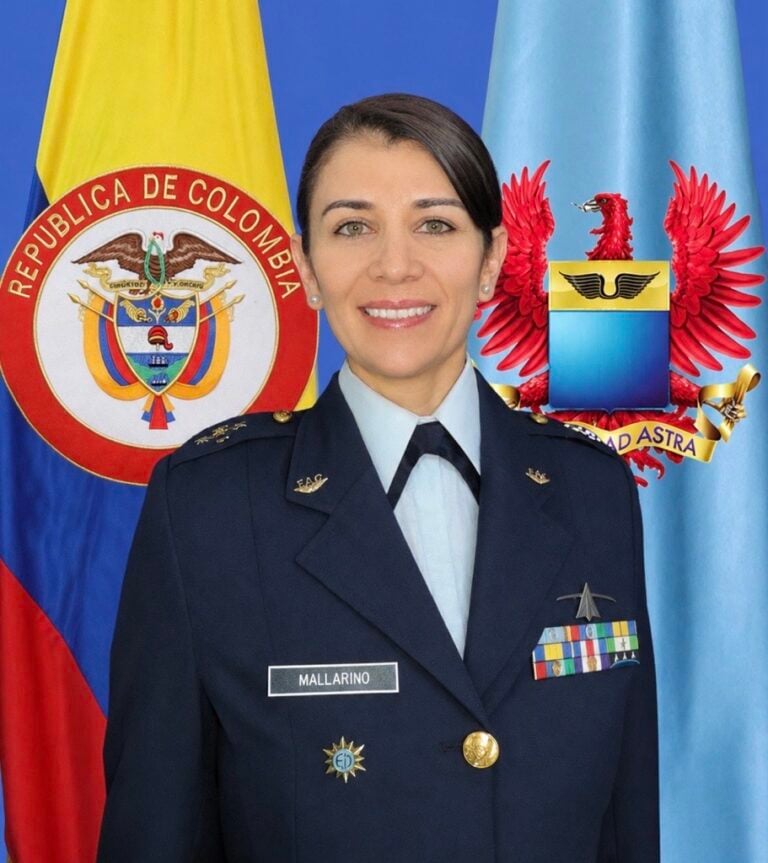
Outer Space Is a Domain That Requires Cooperation
As Colombia consolidates its capabilities in the space domain, Colombian Aerospace Force Colonel Eliana Mallarino has been among the officers driving that process. As director of Space Capabilities of the Space Operations Command, she works to integrate space assets in support of security and defense operations, from monitoring illicit activities to responding to natural disasters. Throughout her career, she has…
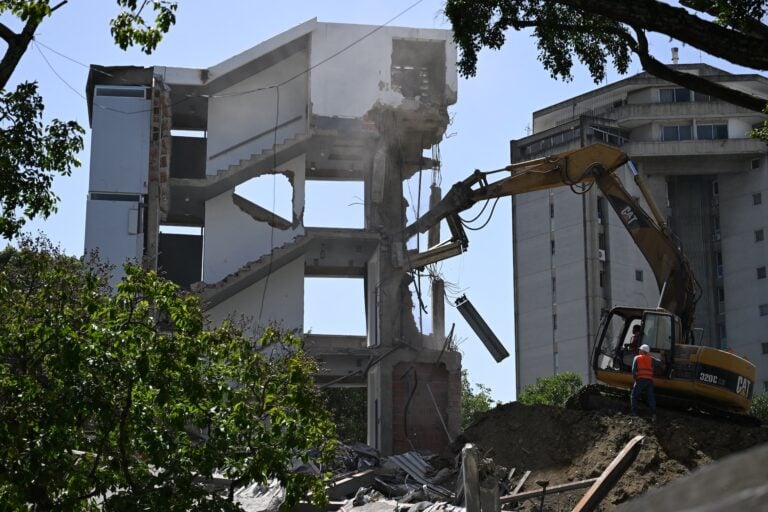
US Assistance Supports Venezuela’s Transition from Relief to Recovery
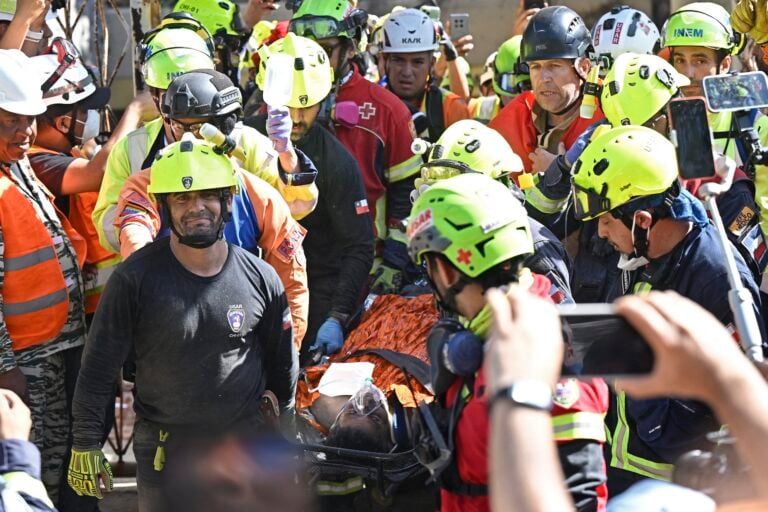
Weeks after two powerful earthquakes struck Venezuela on June 24, the international response has moved beyond the race to find survivors. The priorities now include sustaining displaced families, restoring essential services, assessing damaged buildings and infrastructure, expanding health care, and maintaining the logistics networks that allow assistance to reach affected communities. As those needs evolve, U.S. assistance is also moving…
Capabilities, Coordination, and Preparedness: Lessons from Haiti and Chile for a Stronger Regional Disaster Response
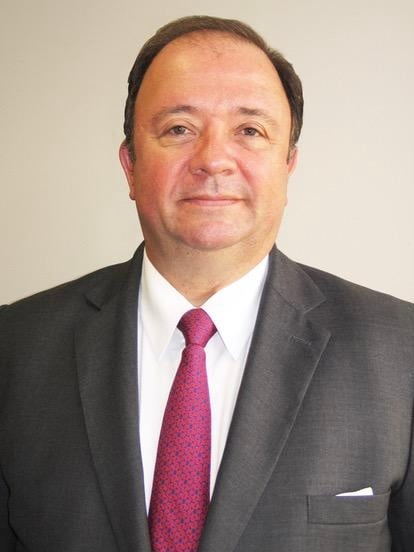
The two powerful earthquakes that struck Venezuela on June 24 once again underscored the enormous challenges countries face when a catastrophe overwhelms national response capabilities. Beyond the scale of the disaster itself, such events also test the speed, coordination, and effectiveness of regional and international cooperation. In an exclusive interview with Diálogo, retired Chilean Army General Ricardo Toro, former director…
Water First: How Panama Balances Essential Services and Canal Security During PANAMAX
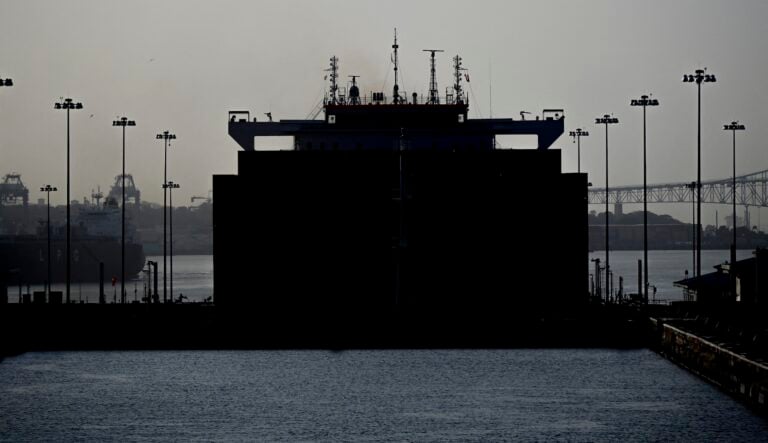
As Panama prepares to host PANAMAX 2026, national authorities are approaching the multinational exercise through a principle that has become increasingly central to the country’s long-term planning: water comes first. The exercise, which brings together partner nations to strengthen coordination for the protection of the Panama Canal and other strategic infrastructure, will take place within a system where water management…
SOUTHCOM Commander Meets with Ecuadorian Leaders to Strengthen Security Cooperation
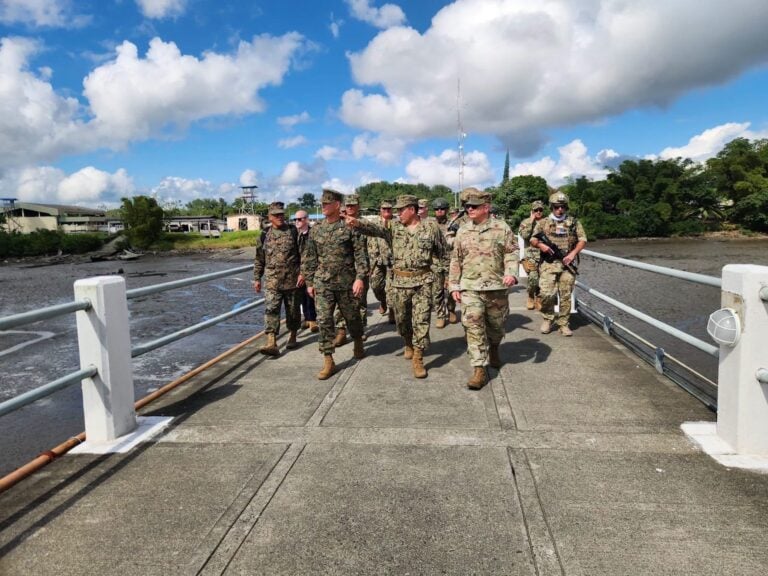
U.S. Marine Corps General Francis L. Donovan, commander of U.S. Southern Command (SOUTHCOM), met with President Daniel Noboa and senior Ecuadorian defense officials on March 2 in Quito, Ecuador, to discuss security cooperation and reaffirm the United States’ strong commitment to supporting the nation’s efforts to confront narco-terrorism and strengthen regional security. The March 1-2 trip to Ecuador was Gen.…
USS San Antonio Supports Sustained Humanitarian Operations in Venezuela
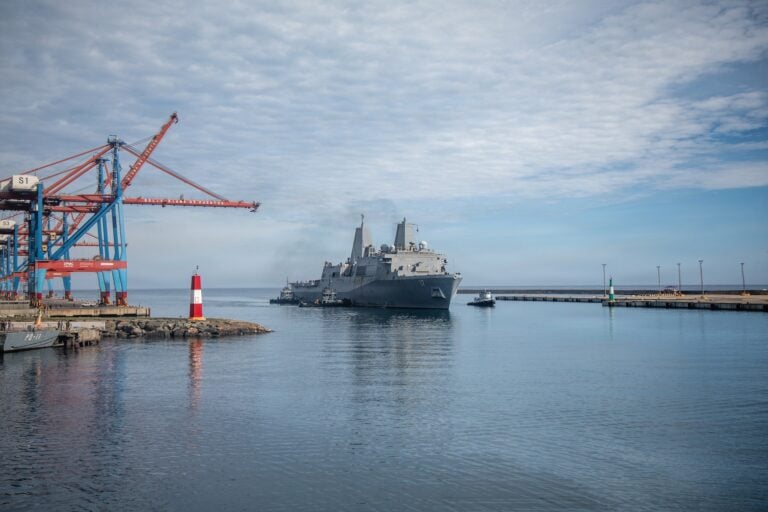
Demonstrating an unwavering commitment to ongoing disaster relief efforts, the amphibious transport dock USS San Antonio (LPD 17) arrived pierside in La Guaira, Venezuela, on July 9. The San Antonio seamlessly relieved the USS Fort Lauderdale (LPD 28) as the primary maritime component center in support of the U.S. Department of State-led humanitarian assistance mission following the devastating June 24…
The Americas’ Four-Legged First Responders: The Critical Role of K9 Units in Venezuela’s Earthquake Response
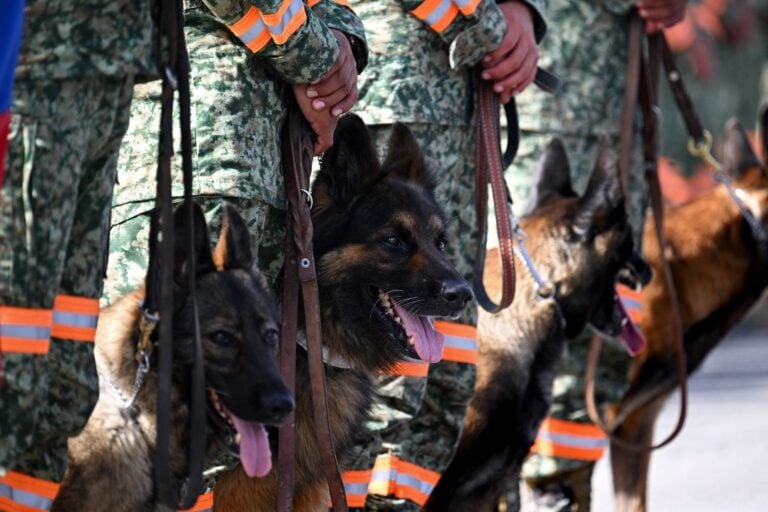
When ABC News reported the rescue of a dog and her puppies from the rubble of the earthquake that devastated Venezuela, the story seemed like one of many moving accounts to emerge from the tragedy. But the dog did more than lead rescuers to her puppies. Her persistent barking drew their attention to a section of the rubble, where they…
Hemispheric Capabilities Strengthen Earthquake Response in Venezuela
The earthquake that struck northern Venezuela on June 24 triggered a broad mobilization of hemispheric humanitarian assistance and disaster response (HADR) capabilities, with urban search and rescue teams, medical personnel, aircraft, search dogs, emergency supplies, communications specialists, and logistical support deployed from countries across the Americas. More than a collection of bilateral aid efforts, the operation demonstrated how advance preparation,…
Coordinating Reconstruction: Lessons from Colombia’s Earthquake Recovery
Venezuela is facing one of the greatest challenges in its recent history after two earthquakes measuring above magnitude 7 struck just seconds apart. As search-and-rescue operations continue, the disaster is testing not only a nation's ability to respond to a catastrophe of this scale but also how quickly regional and international partners can mobilize specialized teams, resources, and humanitarian assistance.…