
After years without institutional cooperation, Caracas and Washington have begun building a new security relationship. What started as a diplomatic rapprochement has expanded into increasingly visible coordination among judicial authorities, intelligence agencies, and security forces to confront some of the most significant threats facing Venezuela and the region.
Within just a few months, that cooperation has already produced tangible results. Recent developments — including the May extradition to the United States of Colombian businessman Alex Saab, long considered one of the principal financial operators of the Nicolás Maduro regime, to face new money laundering charges; the June operation that culminated in the neutralization of Héctor Rusthenford Guerrero Flores, better known as Niño Guerrero, the longtime leader of the Tren de Aragua (TdA); and enhanced border coordination with Colombia — reflect a new approach built on intelligence sharing, judicial cooperation, and coordinated operations against transnational criminal networks.
“Without this exchange, it would have been impossible to deliver such a devastating blow to crime and corruption,” Casto Ocando, a Venezuelan investigative journalist specializing in transnational crime, told Diálogo.
According to Ocando, simultaneously targeting the financial and operational structures of these organizations represents an important shift in the strategy against organized crime. “Now no one can hide with impunity,” he said.
Striking the leadership of TdA
The operation that resulted in the neutralization of Niño Guerrero is perhaps the clearest example of this new cooperation.
For years, the TdA leader evaded capture while the criminal organization expanded from Venezuela into numerous countries across Latin America, the United States, and Europe, becoming one of the hemisphere’s most significant security threats.
According to press reports, the operation was preceded by months of intelligence sharing between Venezuelan and U.S. authorities, including the use of advanced surveillance capabilities to confirm the crime boss’s location before the operation.
Beyond neutralizing one of the region’s most wanted criminals, the operation demonstrates how intelligence sharing can increase the effectiveness of actions against organizations that operate across multiple countries.
For the Venezuelan population, weakening TdA also means reducing the capabilities of an organization that for years has been involved in extortion, kidnapping, human trafficking, narcotrafficking, and illegal mining.
“They have reduced the revenue and finances generated by these illegal activities, for example from drug trafficking and gold,” Ocando said.
Targeting the finances of corruption
Cooperation has also expanded into the judicial sphere.
The extradition of Alex Saab represents one of the highest-profile cases in the effort to dismantle international corruption and money laundering networks linked to Venezuela.
U.S. authorities allege that Saab played a central role in schemes that diverted hundreds of millions of dollars through public contracts and sanctions-evasion mechanisms.
Beyond the individual case, analysts believe this type of cooperation strengthens both countries’ ability to trace illicit assets, dismantle transnational financial networks, and recover resources diverted through corruption.
For Venezuelan citizens, more transparent institutions and greater accountability can help ensure that public resources are directed toward essential services and infrastructure rather than corruption and illicit enrichment schemes.
A more secure border
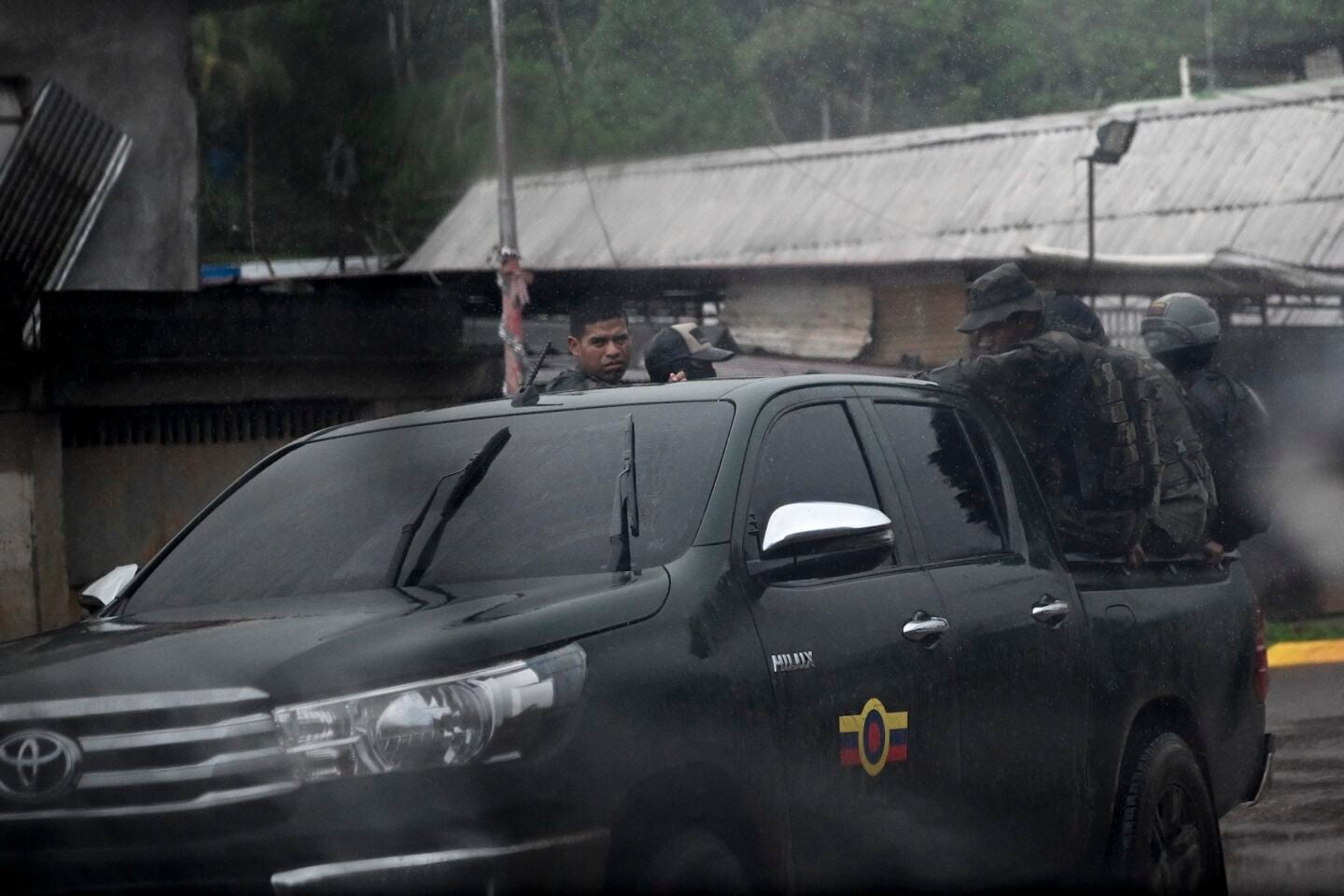
The benefits of this cooperation are also beginning to be felt along the Venezuela-Colombia border, long one of the principal corridors for narcotrafficking, illegal mining, smuggling, and the movement of armed groups.
Following the April meeting between Interim President Delcy Rodríguez and then-Colombian President Gustavo Petro, both governments increased security coordination and intelligence sharing.
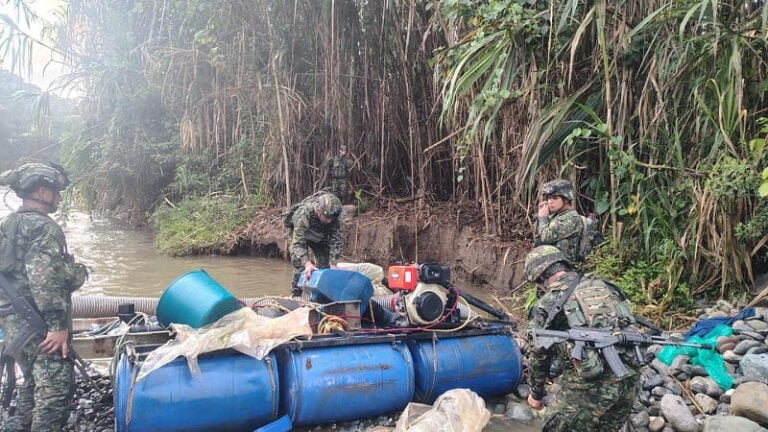
One of the first results has been closer coordination between authorities in areas such as Colombia’s Catatumbo region and Venezuela’s Táchira state, where the National Liberation Army (ELN), FARC dissident groups, and other criminal organizations have historically operated.
“Reports indicate that Colombian narco-guerrilla groups have withdrawn from the area,” Ocando said.
In June, the Colombian National Police announced the dismantling of a narcotrafficking network linked to the ELN that used corridors near the Venezuelan border to transport cocaine to Central America and Europe.
Cooperation that benefits the population
The benefits of the renewed bilateral relationship extend beyond law enforcement and security operations.
Following the devastating earthquake that struck Venezuela in June, both countries coordinated efforts to facilitate the arrival of international assistance, search-and-rescue operations, and logistical support. The episode demonstrated that the new channels of communication can serve not only to confront security threats but also to respond more rapidly to emergencies that directly affect the population.
Although bilateral cooperation is still in its early stages, recent developments represent a significant change from previous years. Coordination against criminal organizations, stronger judicial cooperation, expanded intelligence sharing, and collaboration during emergencies have the potential to improve security, strengthen institutions, and create more favorable conditions for the country’s long-term recovery and stability.
“I believe the current process clearly represents progress. There are reasons to believe that Venezuela’s democratization is possible,” Ocando concluded.