

A recent seizure in Colombia of 49 tons of illegally mined coltan and tin, vital for electronics like cell phones and ultimately destined for China, has exposed the operations of a transnational illegal mining network with links to armed groups, raising questions about the potential knowledge or oversight of Chinese companies and authorities, given Beijing’s strict control over strategic sectors and critical minerals.
Arrests and seizures
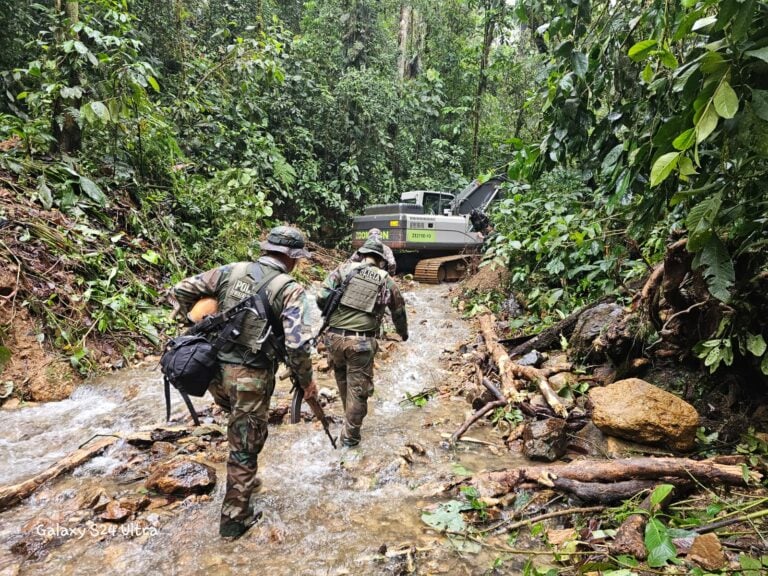
In rural Cumaribo, Vichada department, a joint operation in early April by the Colombian National Police, Army, and Attorney General’s Office led to the seizure of an illegal shipment of coltan and tin and the arrest of six people. According to Army reports, those arrested are believed to be linked to the Segunda Marquetalia, a dissident group of the Revolutionary Armed Forces of Colombia (FARC), and the National Liberation Army (ELN), two of Colombia’s main criminal groups.
“This material extracted illegally […] was intended to be sold on the international market, with China as its final destination, through the port of Cartagena,” Brigadier General José James Roa Castañeda, director of the Colombian National Police’s Carabineros and Environmental Protection Unit, told Infobae. China is the world’s largest consumer of coltan and tin.

Global black market
This seizure was the second in less than two weeks in the Amazon region. In mid-March, Colombian authorities had already seized 19 tons of coltan, the Colombian National Police said in a statement. Driven by high demand for these minerals, essential for the production of batteries, cell phones, computers, and other advanced electronic devices, and critical components in various weapons systems, a complex black market has emerged.
“This is a black market with multiple levels of intermediation. The mineral changes hands several times before reaching its final destination, which is China. No other country currently has the infrastructure to process these resources intensively,” Jorge Serrano, an advisor to the Peruvian Congress’ Intelligence Commission, told Diálogo. “There could be state backing behind these operations. China’s industrial growth coincides with the increase in these illicit flows. Its position as the world’s leading consumer of these minerals is no coincidence.”
Fragmented reserves
In South America, the largest coltan reserves are found in Brazil, which leads the production of columbite and, after the Democratic Republic of Congo, is the world’s second largest producer of tantalite, two key components of coltan. There are also significant deposits on the Colombian Venezuelan border, a region characterized by illegal mining and the presence of armed groups.
In Colombia, almost all coltan mining is illegal. The Geological Survey identified large reserves in the departments of Vichada and Guainía, but the Mining and Energy Planning Unit warns that there are no official figures, only areas with indications of mineral deposits. It was precisely in this region that the 49 tons of coltan and tin were seized as part of an operation against mineral trafficking.
Transnational crime networks
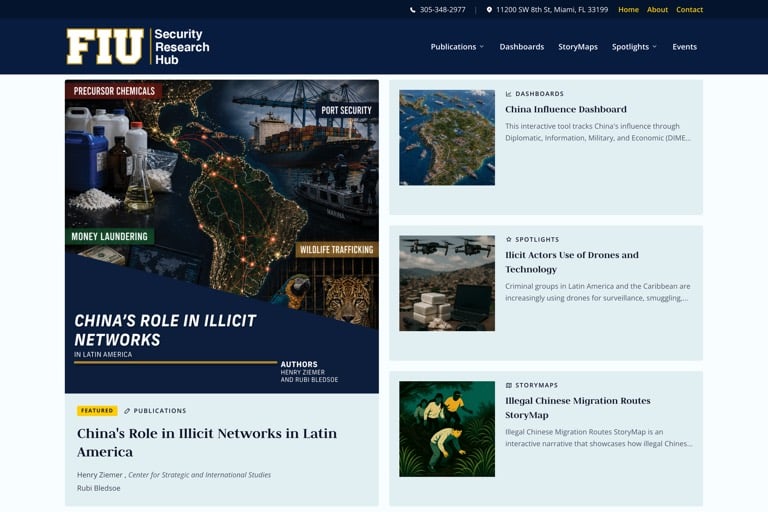
Illegal mining in Colombia is closely linked to criminal networks operating throughout Latin America that have connections with Chinese actors. A report by Florida International University details that these networks are not only involved in mineral trafficking, but also in activities such as the illegal trade of fentanyl precursors, wildlife and human trafficking, and money laundering.
Although there is no direct evidence linking the Chinese Communist Party to these activities, corruption and lack of oversight in both China and Latin America make it easy for local officials to benefit, directly or indirectly, from these networks. In addition, some of these operations are linked to criminal organizations such as the Chinese triads and the Fujian mafia, suggesting a more complex criminal structure, with the backing of China.
“The Chinese state operates under a centralized structure. There is no separation of powers; everything responds to the political command of the Communist Party, headed by Xi Jinping,” Serrano said. “This control extends to customs, ports, the population, the armed forces, and intelligence services, both civilian and military.
“As such, it is unlikely that shipments of strategic minerals enter or leave the country without the knowledge of the authorities,” Serrano added. “In previous cases, the use of Chinese inputs in clandestine nuclear programs and in the production of fentanyl, with operators located within Chinese territory, has been demonstrated.”
Parallel intelligence
Serrano explained that the Chinese intelligence system has two levels: one legal and one clandestine. “The first maintains relations with international organizations such as the U.N. and Interpol. The second, not officially recognized, facilitates illicit operations by sending supplies through criminal networks, such as Mexican cartels. This system allows the ruling CCP to maintain plausible deniability of its involvement.”
These operations, he added, cannot be attributed to individual initiatives. The logistical complexity, connections to criminal organizations, and international routes used require resources and capabilities that are only possible with institutional support. “These are not isolated incidents, but a well-documented pattern,” Serrano said.
International coordination against mineral trafficking
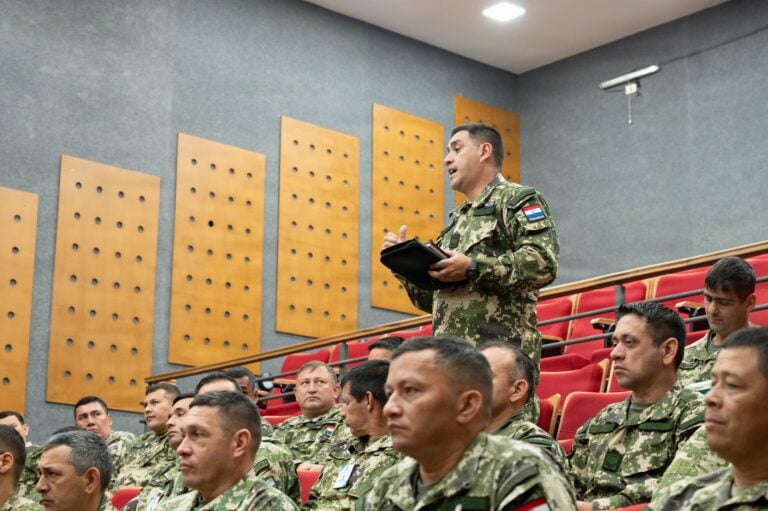
Serrano also stressed that the seizures in Colombia were made possible by a security structure with more than two decades of cooperation with the United States, the United Kingdom, and Israel. “These countries are well aware of how criminal elements operate within state structures in countries such as China, Iran, North Korea, Syria, Cuba, and Venezuela.”
Colombian authorities, with support from the U.S. Department of Homeland Security (DHS) and other international offices in Asia and Europe, will continue to work together to identify the countries that acquire these minerals and track their use in the manufacture of weapons, the Colombian Ministry of Defense said in a video.
This joint effort seeks to dismantle transnational criminal networks and strengthen control mechanisms in countries participating in the value chain of these strategic minerals. However, the challenge remains enormous, as trafficking in coltan and other resources continues to fuel both the illegal economy and armed conflict in vulnerable regions.