

The multinational Zeus strategy, led by the Colombian Aerospace Force (FAC), has, since its 2019 launch, become one of the region’s most extensive cooperative efforts against transnational organized crime, bringing together dozens of countries and agencies across the Americas and the Caribbean.
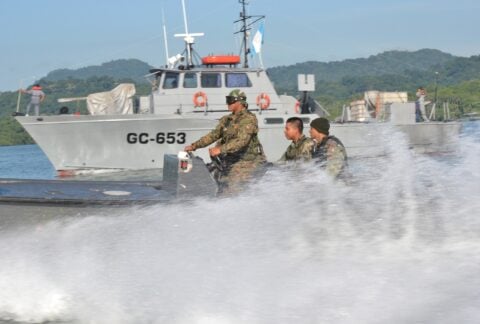
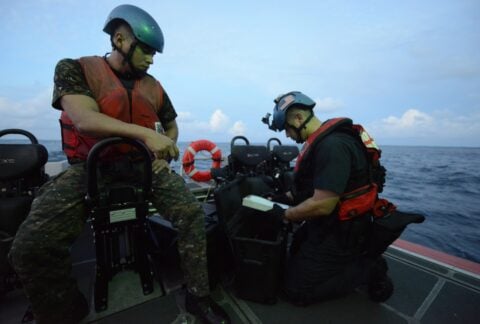
Zeus Caribbean I, one of its most recent operations in the Caribbean basin, integrated air, maritime, and intelligence capabilities to intercept illicit trafficking, disrupt the logistics networks of criminal organizations, and strengthen regional security through coordinated interdiction missions. The operation also marked an operational milestone: It was the first time Colombia directly integrated its air defense command-and-control centers with counterparts in the Dominican Republic and other Caribbean nations to conduct large-scale multinational counterdrug interdiction operations.
“The Zeus strategy, led by the Colombian Aerospace Force, has evolved from a tactical response to illicit routes into a multinational program with a clear operational focus,” the FAC told Diálogo.
Beyond interdictions and seizures, Zeus has become a model of regional cooperative security based on interoperability, the continuous exchange of intelligence, and the development of shared capabilities among participating countries. The strategy is built on three pillars: national and international cooperation, operational training and standardization, and air operations supporting maritime missions. This approach has helped strengthen sustainable long-term capabilities and develop a multinational network better prepared to respond in a coordinated manner to increasingly dynamic and sophisticated transnational threats.
Strong results
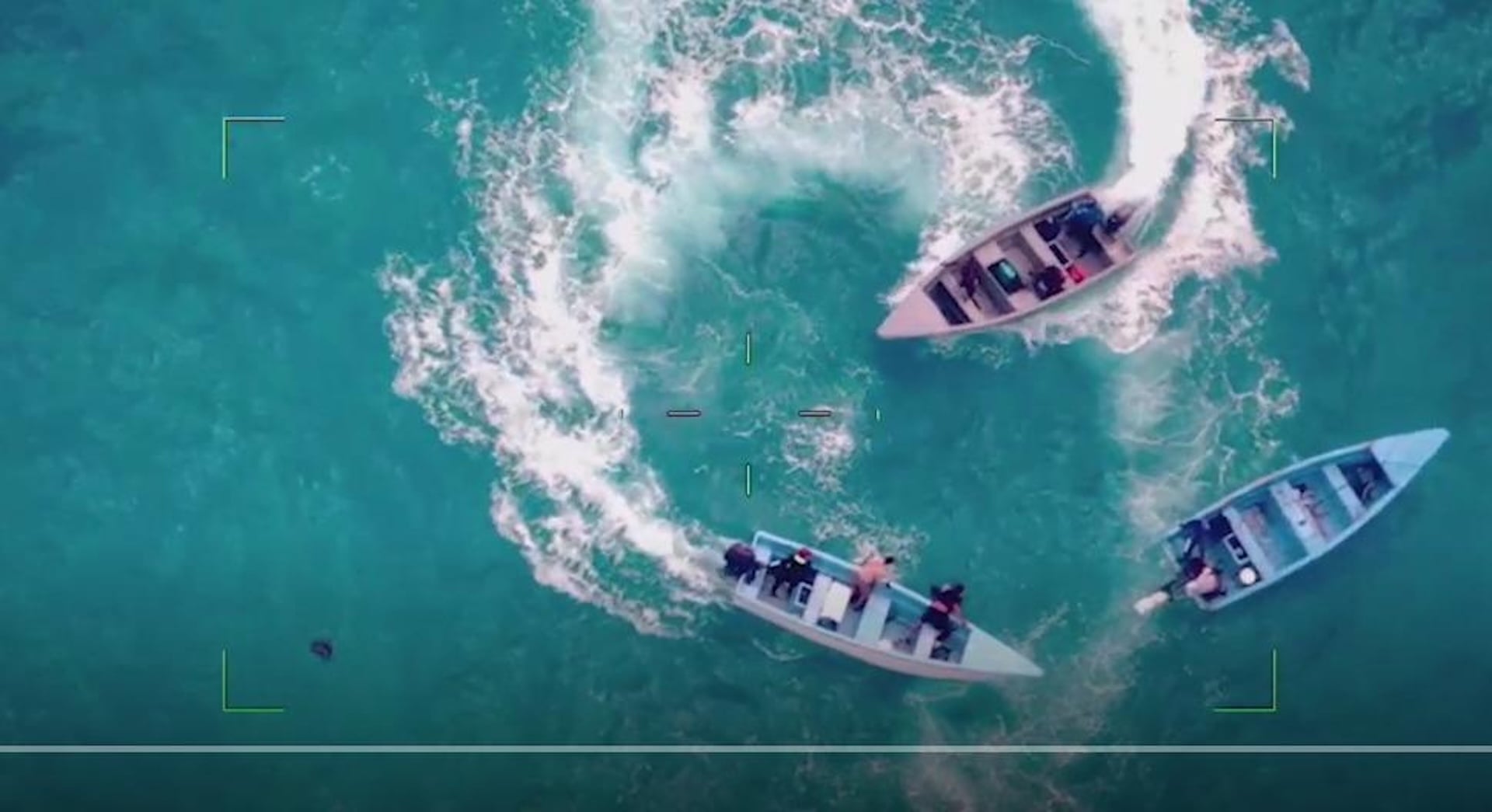
Among the most recent results of the Zeus strategy was the interception, in late March, of two go-fast vessels transporting 851 kilograms of cocaine hydrochloride valued at $28 million in waters near the Dominican Republic. The operation, which also led to the arrest of seven crew members, was conducted during Zeus Caribbean I, demonstrating the growing level of interoperability achieved among regional forces involved in the fight against drug trafficking.
“Colombia and the Dominican Republic deployed aircraft, crews, and air defense capabilities integrated into surveillance, command, and control systems,” the FAC said in its statement.
The operation combined the air, maritime, and intelligence capabilities of several countries into a single coordinated system, enabling a faster response against criminal networks that exploit the Caribbean’s geography to transport drugs, fuel, and illicit money.
In addition to Guyana, French Guiana, Suriname, and Trinidad and Tobago, the operation received support from 12 intelligence agencies across the Americas. The participation of these countries expanded coverage over maritime and air routes used by criminal organizations between South America and the eastern Caribbean, reducing unmonitored spaces and facilitating the immediate exchange of surveillance information.
Zeus Caribbean I also strengthened the transfer of operational capabilities among regional partners. The operation with the Dominican Republic combined the efforts of the FAC, the Dominican Air Force, and the Dominican Navy to conduct air and maritime interdiction operations aimed at countering drug trafficking and disrupting the finances of illicit organizations in the region, explained Lieutenant Colonel Luis Carlos Segura, deputy director of the FAC Air and Missile Defense Operations.
“Likewise, the FAC has provided training to weapons controllers and surveillance officers, which has enabled the Dominican Republic to conduct autonomous interdiction operations, both maritime and aerial, achieving very positive results in the region,” he said.
An alliance with a track record
Unlike many traditional counterdrug cooperation initiatives, Zeus has developed over time a permanent interoperability structure among armed forces, security agencies, and command centers. This model allows participating countries to operate with common protocols, secure communications, and integrated surveillance systems, reducing decision-making times and increasing response capacity against increasingly mobile and decentralized transnational threats.
“Its strength lies in the combined will and capabilities of the countries and agencies that came together under a visionary idea to confront transnational threats, especially drug trafficking,” the FAC told Diálogo.
According to the Colombian force, the network currently involves 42 countries and 23 agencies, integrating air and naval capabilities within an increasingly sophisticated multinational architecture. This evolution also reflects a broader shift in regional security: beyond disrupting illicit routes, Zeus seeks to strengthen shared capabilities and standardize operational procedures among participating partners.
The results achieved since 2019 demonstrate the scope of this approach. According to the FAC, the operational and structural outcomes of the strategy include “seizures of assets linked to drug trafficking; neutralization of aircraft and vessels used by criminal organizations; disabling unauthorized airstrips; administrative immobilization of aircraft,” denying organized crime approximately $9.7 billion.
One of the most significant aspects of the strategy has been the institutionalization of cooperation channels and a multinational working culture designed to endure over time. For the FAC, Zeus demonstrates how an operational strategy sustained through international cooperation, training, and interoperability can strengthen regional capacity against transnational organized crime.
“The future challenge is to consolidate resources, modernize capabilities, and continue deepening regional inclusion so that the strategy remains a benchmark for cooperative security in the hemisphere with global projection,” the FAC concluded.