

China’s influence in the strategic region that is the Caribbean is expanding with experts sounding the alarm. A natural paradise on the island of Antigua is about to be torn down to become a China-run special economic zone that will include a shipping port, its own customs and immigration (able to issue passports), a dedicated airline, as well as a variety of businesses from logistics to cryptocurrencies and cosmetic surgery, a Newsweek investigation indicated.
Antigua and Barbuda signed into the Belt and Road Initiative back in 2018, since then welcoming several critical infrastructure projects, such as ports, airports, and water systems.
Yet some Antiguans feel uneasy about China’s growing influence on the island; some going as far as saying that it “has traded its sovereignty,” Newsweek reported. Experts warn that China seeks to have a firm grasp and control over the region, a risk to security.
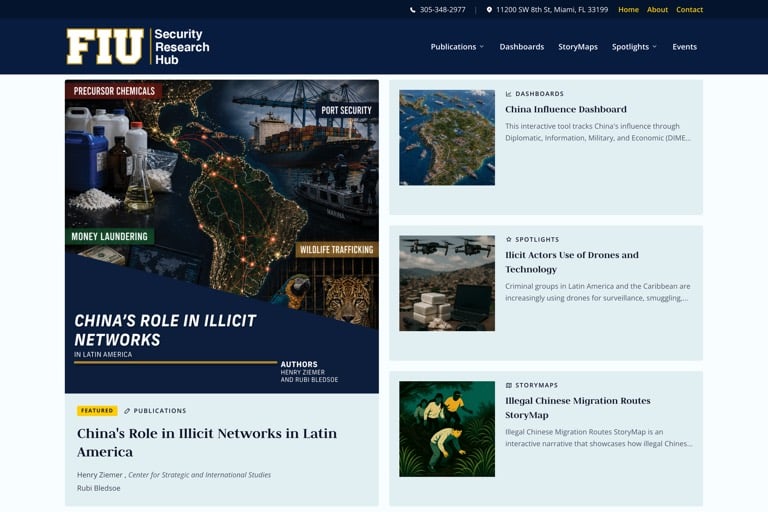
“Not only is there the possibility that these ports could be used for resupply and military ship operations in times of crisis or conflict, but China’s presence in the region’s ports should be a major concern,” Henry Ziemer, a research associate with the Americas Program at the think tank Center for Strategic and International Studies, told Diálogo on June 8. “Control of ports also gives China a powerful passive intelligence asset, providing information on the number and movements of goods throughout the region, as well as the ability to potentially cripple supply chains by withholding or seizing key shipments.”
“The need for many Caribbean countries to accept Chinese investment is understood, but there are several risks involved. First, for projects labor they often import from China, denying job opportunity to the local population. Second, when it comes to infrastructure, they demand quasi-exclusivity and total access control, denying national governments the possibility of monitoring, infringing on their sovereignty,” Dr. William Godnick, a professor at the William J. Perry Center for Hemispheric Defense Studies, told Diálogo. “Third, when it comes to digital infrastructure and 5G the cost seems good at first, but in the fine print of the contracts they are handing over all the information that goes through the networks to Chinese companies and thus to the Chinese government.”
“The PRC’s negative influence in this region could soon resemble the predatory and self-serving influence it now has in Africa,” U.S. Army General Laura J. Richardson, commander of U.S. Southern Command (SOUTHCOM), told a panel at the Florida International University-hosted annual Hemispheric Security Conference, Voice of America reported on May 20. “Let’s be clear, the People’s Republic of China does not invest. They extract.”
“In smaller Caribbean countries like Antigua and Barbuda, which may find it even more difficult to resist China’s economic coercion, they may find that what was promised as an economic windfall has actually turned into loss of sovereignty,” Ziemer said.
Aside from the geopolitical concerns, the development planned on the island also raises environmental worries as the project will intrude on Antigua’s biggest marine reserve and mangroves that play a vital role as home to many species and protect the coastal area.
For international experts, China’s activities in the Caribbean, its low environmental standards, and its poor track record in all parts of the world pose a problem for a region that already grapples with the impact of extreme weather events and puts at risks economies reliant on tourism while destroying their “bread and butter,” their natural environments, the New Security Beat blog of the Wilson Center’s Environmental Change and Security Program reported.